
Last updated November 22, 2026
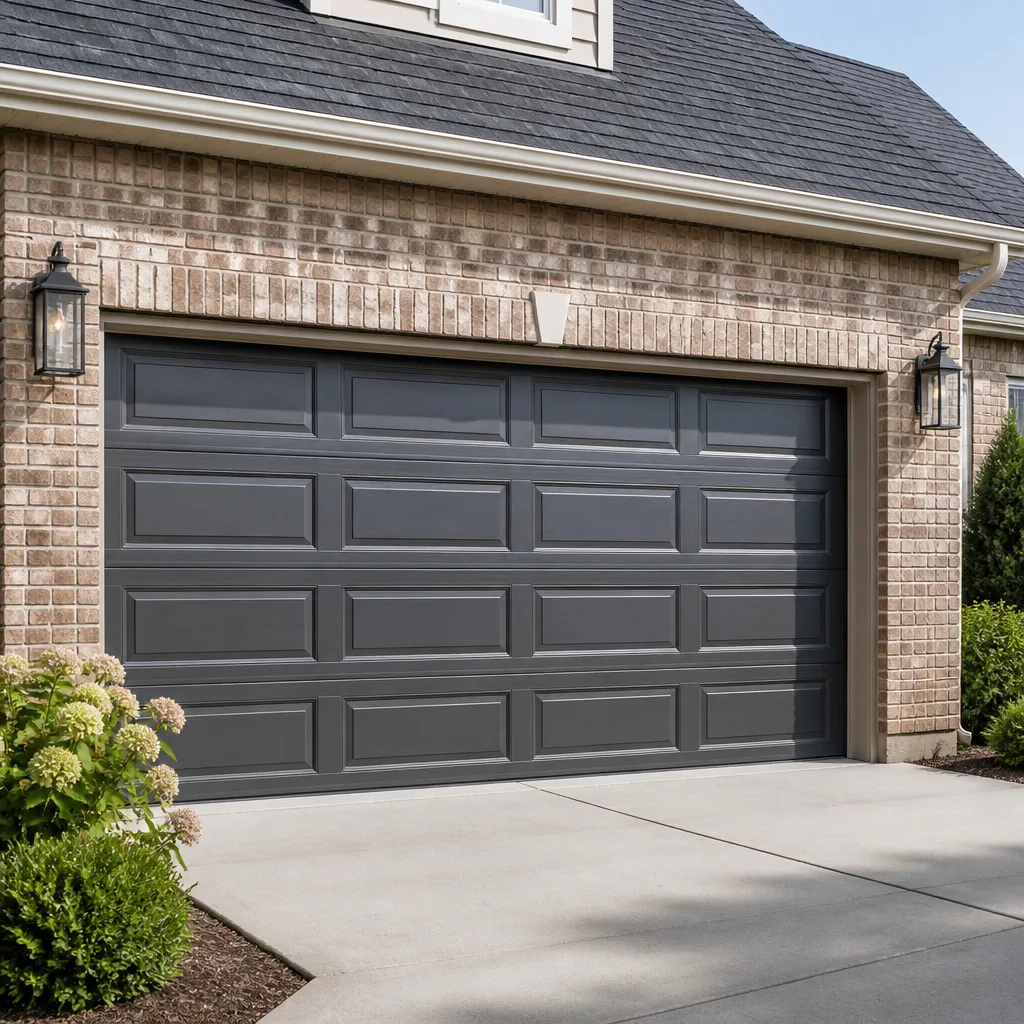 Raised-panel steel
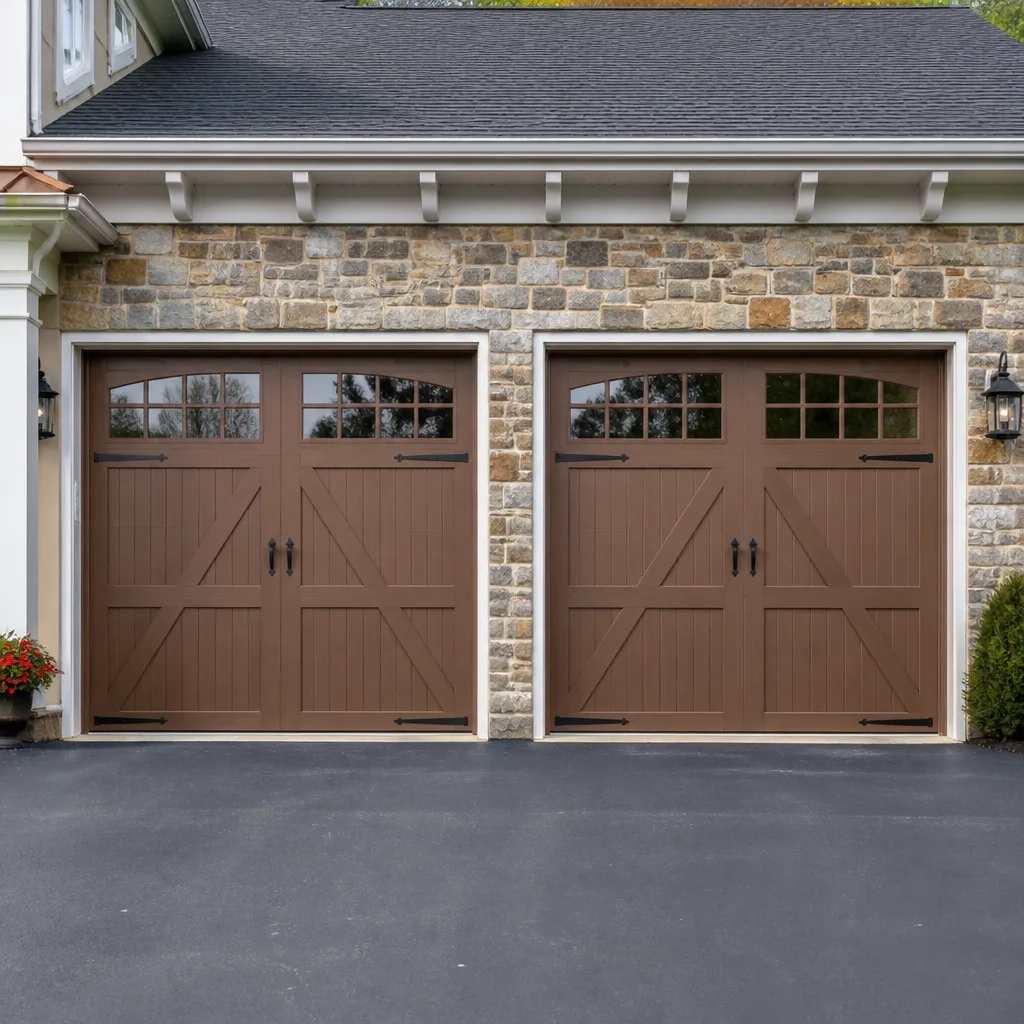 Carriage house
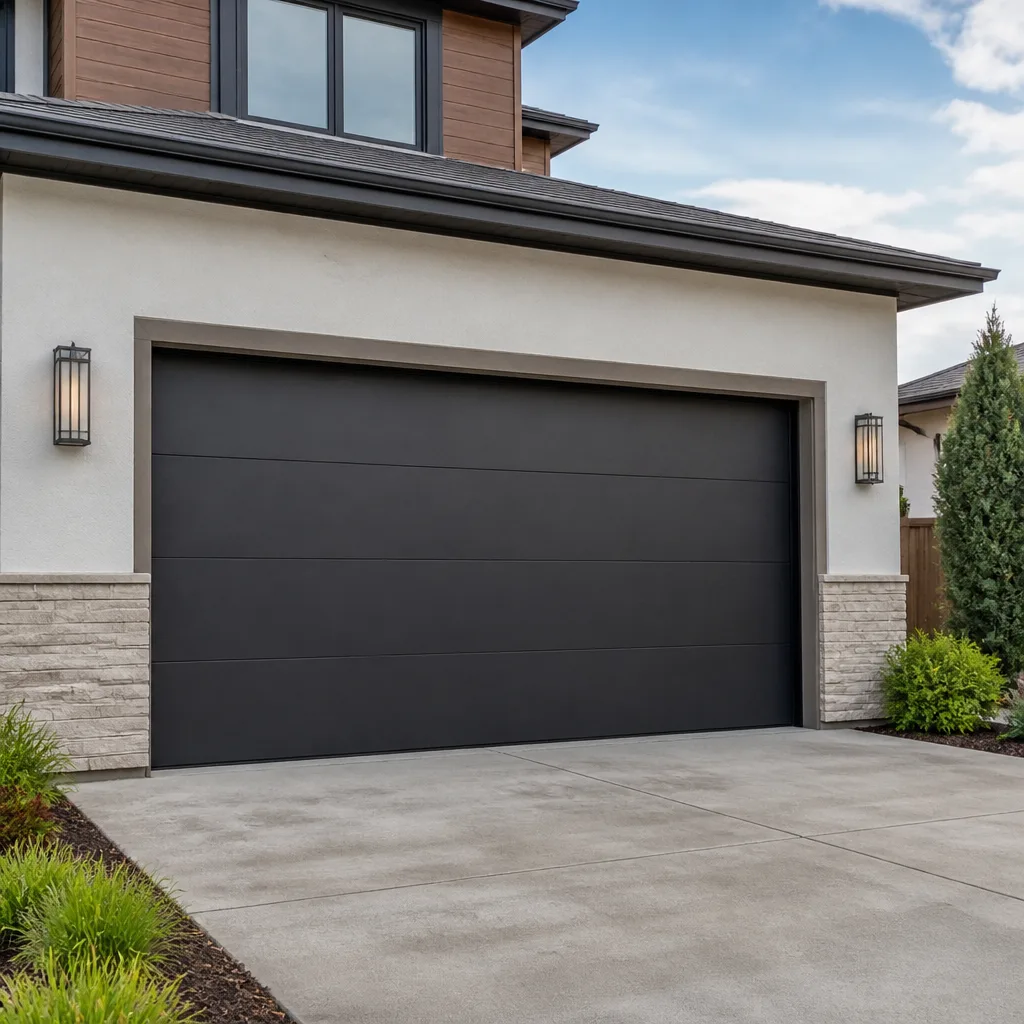 Modern flush
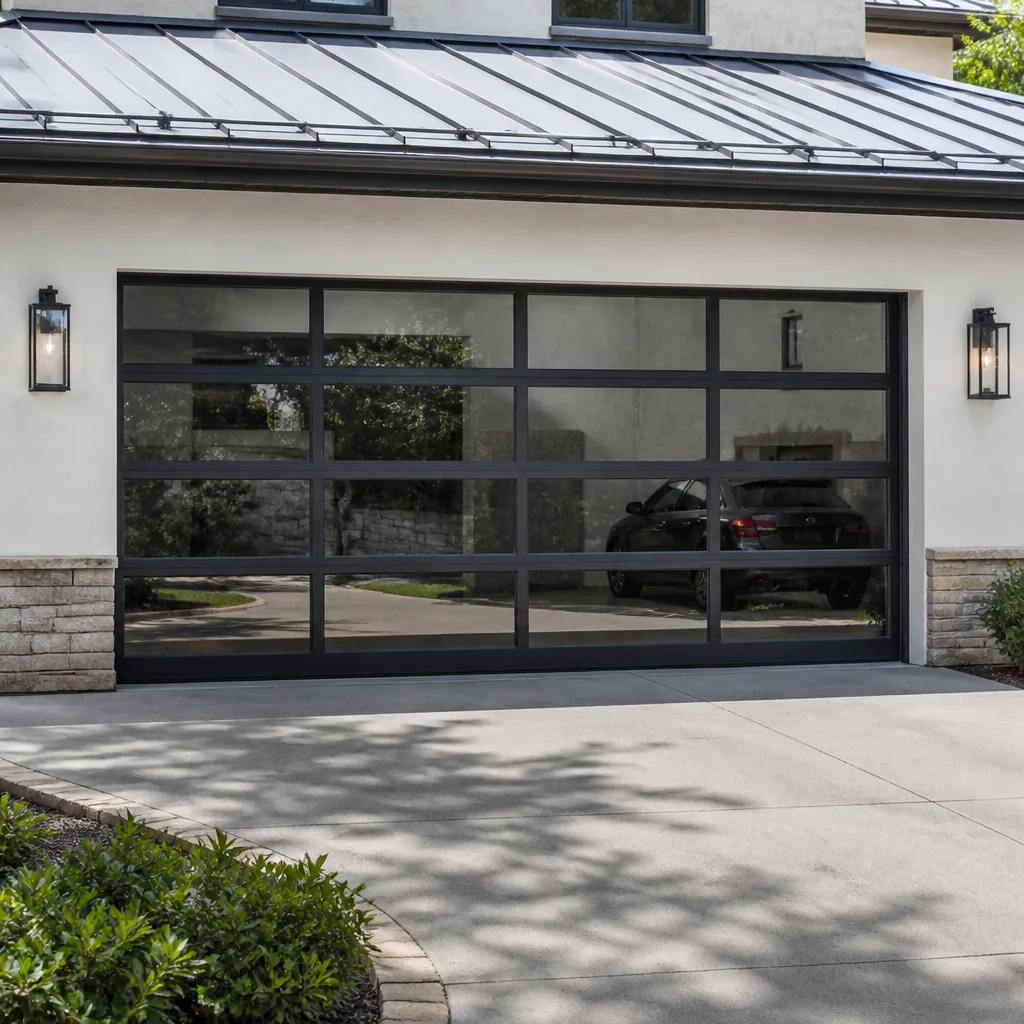 Full-view glass
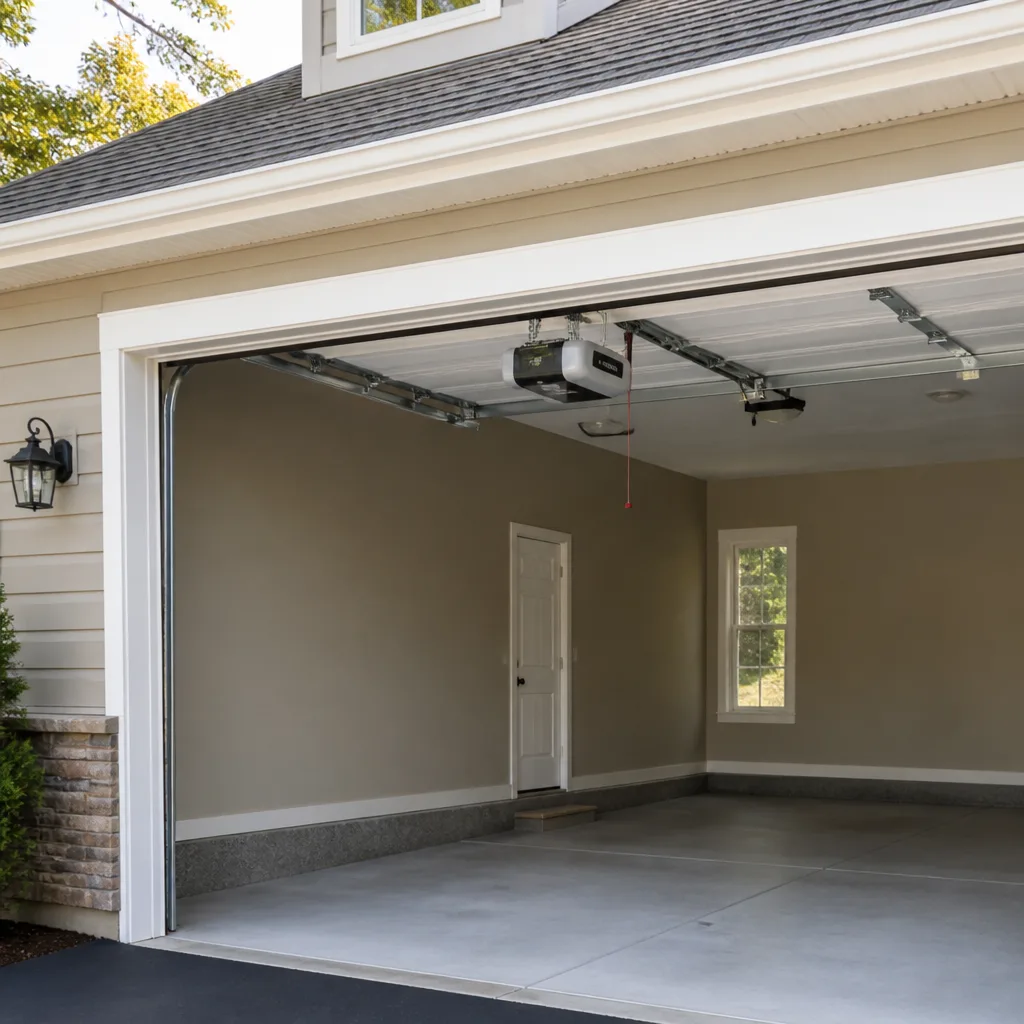 LiftMaster openers
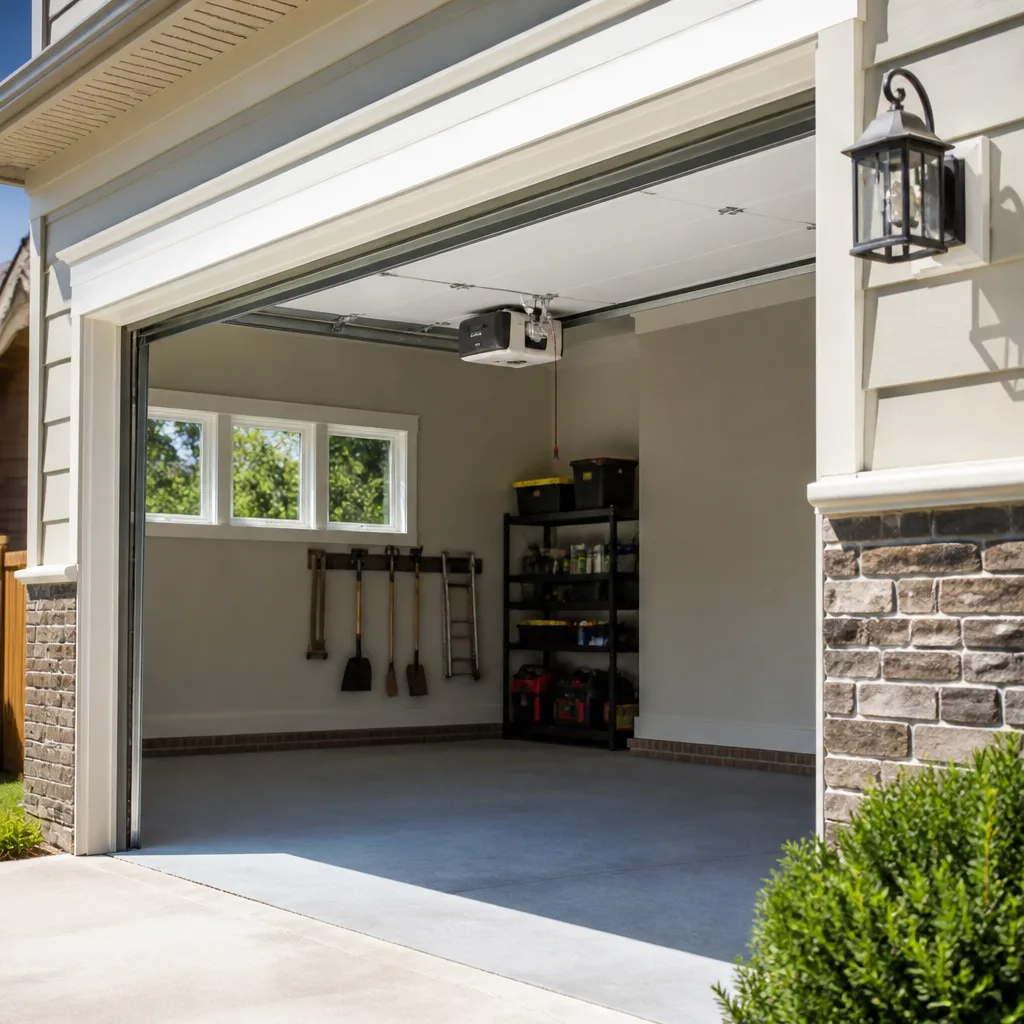 Chamberlain openers
Full 25-point door and opener safety check with every visit - springs, cables, rollers, tracks, and your LiftMaster or Chamberlain opener included
You get a price before we start. It does not change when the pro arrives.
Get your free estimateGarage Door Warning Signs: A Sunrise Homeowner’s Reference Guide
Most garage door failures announce themselves long before the door stops working. The door gets a little louder. It hesitates for a second before going up. A cable starts to look fuzzy. Nearly every homeowner who calls us because the door finally quit describes one of these symptoms – and usually admits it had been going on for a while. The problem with a garage door is that it works thousands of times a year in a tropical climate, so parts wear slowly and then fail all at once, often on a Sunday evening. This guide is a symptom-to-cause reference for Sunrise homeowners: what each warning sign actually means, how urgent it is, and what to do next.
Quick Answer
The most serious garage door warning signs are a broken spring (the door feels impossibly heavy and won’t lift), a snapped or frayed cable, a door that reverses or stops halfway, and a door that fails to close and seal. Those need a professional before you run the door again. Slower opening, louder operation, and small cosmetic dings are worth monitoring and scheduling a repair before they turn into one of those urgent problems.
Styles & brands we work with
- Raised-panel steel
- Carriage house
- Modern flush
- Full-view glass
- LiftMaster openers
- Chamberlain openers
Table of Contents
- How a Garage Door Tells You Something Is Wrong
- Climate Symptoms Sunrise Homeowners Should Watch For
- The Seven Warning Signs and What Each One Means
- Cosmetic Wear vs. Structural Risk: How to Tell the Difference
- Why Intermittent Problems Are More Serious Than Consistent Ones
- The Sunday Night Test: A Five-Minute Check
- When to Call a Professional
- Frequently Asked Questions
How a Garage Door Tells You Something Is Wrong
A garage door is a balanced system, and when it’s working correctly it feels almost weightless. Springs carry the door’s weight, cables transfer that force to the door, rollers ride in the tracks, and the opener does the pushing. Any wear anywhere in that chain changes how the door feels and sounds. That’s the good news: the door is constantly telling you which part is struggling.
There are three channels of feedback a homeowner can read without any tools:
- Sound. A door that was quiet six months ago and now grinds, squeaks, or clunks is sending a clear message.
- Speed and balance. A door that takes longer to lift than it used to, or that drifts down after you disengage the opener, is carrying more load than it should.
- Appearance. Frayed cables, streaked panels, bent tracks, and gaps at the bottom all point to a specific cause.
Learning to read these on your own is worth the effort. In our experience, homeowners who understand what they’re looking at catch problems a full repair cycle earlier than homeowners who wait for a total failure. That’s the difference between scheduling a repair and making an emergency call. When a Sunrise door fails without warning, it almost always means one of the symptoms was there and got dismissed.
Climate Symptoms Sunrise Homeowners Should Watch For
The weather in South Florida changes how a garage door wears. Sunrise homes face summer heat that pushes a garage interior well above the outdoor temperature during peak hours, especially on a west-facing garage, plus seasonal humidity that hangs in the air for months at a time. Both leave fingerprints on the door.
Three climate symptoms deserve specific attention:
- Corrosion streaking on cables. A healthy cable is clean steel. Orange or brown streaks, or a fuzzy look along the strands, means the cable is corroding or fraying. Humidity accelerates this. Treat any visible fraying as an immediate stop-use sign.
- Seal separation from humidity. The bottom weather seal that keeps rain and pests out can harden, curl, or pull away from the door panel as it ages in warm, humid air. A visible gap lets water and pests in and is a simple, low-cost repair if handled early.
- Opener strain in peak summer heat. A motor working harder than it should pulls more current and generates more heat, which is the worst combination in a hot garage. If the opener struggles more in July than it does in January, the motor isn’t the cause – the door’s balance is.
These symptoms are distinct to a climate like Sunrise’s. Homeowners who move here from a colder region often expect winter to be the hard season, but the peak summer months are when the door’s mechanical parts get tested. Watch the door in late afternoon on the hottest days, and you’ll see its real condition.
The Seven Warning Signs and What Each One Means
This is the heart of the reference. Each warning sign below includes the likely cause and an urgency level. Use the urgency level to decide whether to monitor it, book a repair, or stop using the door immediately.
1. The door won’t lift, or it lifts unevenly
Likely cause: A broken spring. Urgency: Stop using the door immediately.
A torsion or extension spring carries most of the door’s weight. When it breaks, the opener – which was designed to lift a balanced door – is left trying to haul the full weight. It will either stall or, if it’s strong enough, pull the door up crooked. If you hear a loud snap and the door becomes mysteriously heavy, assume a broken spring and stop calling it up.
2. Visible fraying, snapping, or slack in a cable
Likely cause: Cable wear or corrosion. Urgency: Stop using the door immediately.
Cables are under tension and they are a genuine safety hazard when they fail. Never attempt to adjust or reattach one. Keep the door closed if you can, keep people clear, and call for service. We handle garage door spring repair and cable work as core services because these are the most hazardous repairs a garage door ever needs.
3. The door reverses unexpectedly or stops halfway
Likely cause: A misaligned safety sensor, a failing limit switch, or a binding track. Urgency: Schedule repair – and treat as urgent if it happens repeatedly.
The door’s safety reverse is designed to protect people and objects. If it trips repeatedly, either the sensor alignment is off or the opener’s logic is losing track of where the door should stop. Do not solve this by holding the wall button down; the obstacle that’s tripping the sensor may be the door itself.
4. The opener runs but the door doesn’t move
Likely cause: A stripped drive gear or a disconnected emergency release. Urgency: Schedule repair.
The motor sounds fine and the door is silent. In most cases the opener’s drive gear wears out after thousands of cycles. That’s a common failure on any brand – a straightforward garage door opener repair if the rest of the door is in good shape. If the emergency release cord has been pulled, it needs to be re-engaged.
5. Grinding or squealing during operation
Likely cause: Worn rollers or dry hinges. Urgency: Monitor – schedule repair if it grows louder.
Metal on metal is not a normal sound, even in an older door. Nylon rollers wear in a predictable way and steel rollers need periodic care. Hinges lose lubrication slowly. Grinding sounds are usually cheap to fix early and more expensive if a roller freezes and starts to gouge the track.
6. Daylight visible around the door when closed
Likely cause: A bent track, damaged panel, or worn bottom seal. Urgency: Schedule repair.
Gaps mean the door isn’t sealing your home. In Sunrise, that means humidity, insects, and rain get a path in. A gap at the bottom is usually a seal; a gap at the side usually points to a track out of alignment. A dented panel that shifts the door’s alignment can cause the same symptom – see the next section for how to tell them apart.
7. The door takes noticeably longer to open than it used to
Likely cause: Springs under excess load or a worn opener. Urgency: Monitor – schedule a check.
A door that was quick six months ago and now opens slowly is telling you the springs aren’t carrying as much of the weight as they used to. Springs don’t fail all at once; they get tired. Catching this stage early means a spring replacement before the door stops working entirely.
Cosmetic Wear vs. Structural Risk: How to Tell the Difference
Not every scratch or dimple is a problem, and not every dent is harmless. The dividing line is whether the damage affects the door’s balance, seal, or movement. Here’s a simple rule set to sort one from the other:
- A scratch or faded paint on a panel is cosmetic. It’s an appearance issue and rarely points to anything mechanical.
- A dent in the middle of a panel is cosmetic if the door still moves smoothly and seals fully. Watch it for a few days after the incident; if nothing changes, it’s cosmetic.
- A dent on the edge of a panel, near a hinge or track, is structural risk. That kind of damage shifts the door’s alignment and can grab a roller.
- Any bend in the track that changes the door’s path is structural risk. Tracks are the door’s rails. A bent rail becomes a stripped roller or a stalled door.
- Any crack through a panel is structural risk, and you should stop using the door. Bending a cracked panel accelerates the crack and can eventually cause a section failure.
- A gap at the bottom or sides when the door is closed is a function problem. It may look small, but it always means the door isn’t doing one of its main jobs: sealing your home.
When in doubt, run the door slowly through one full open-close cycle and watch every panel edge and both tracks. If anything bumps or hitches, treat it as structural. Panels for Clopay, Amarr, and Wayne Dalton doors are widely available, and we work on all three, so matching the fix is rarely the hard part – the diagnosis is.
Why Intermittent Problems Are More Serious Than Consistent Ones
A garage door that does the same wrong thing every single time is usually easier to diagnose than a door that fails once a week. That feels backwards to most homeowners, who assume a problem that “happens every time” must be worse. It’s not. Consistency points to a single worn or misaligned part. Intermittency points to something that changes conditions: a sensor alignment that shifts with the house temperature, a limit switch that drifts, a loose connection, or a spring that’s on the edge of failure.
The dangerous pattern with intermittent failures is that homeowners reset the door and move on. The door reverses once, they press the button again, it closes, they call it fixed. That reset works because the underlying condition was borderline in that moment – and it will be borderline again tomorrow morning, or the next time the garage gets hot, or the first really humid day. What you’re actually doing is waiting for the exception that doesn’t reset.
Two recurring patterns deserve a professional visit rather than a reset:
- The door stops midway occasionally. This is often the opener’s limit setting drifting, which can leave the door sitting open enough to compromise the home’s security.
- The door reverses unexpectedly. The safety reverse is a safety feature. If it fires when nothing is in the way, the sensor system or the door’s travel is unreliable.
If your opener has an app or a diagnostic LED, check what it reported after a failure rather than clearing it. On LiftMaster, Chamberlain, and Genie openers, that code usually tells a technician exactly where to start. And when the door won’t close and your home isn’t secure, that’s the exact scenario our garage door repair service is built for – same-day, with a technician who knows the brand.
The Sunday Night Test: A Five-Minute Check
Once a week is enough to catch most developing problems, and Sunday evening is the natural window because the whole week is ahead of you. The test doesn’t require tools, and it takes five minutes. Sunday is also when you’ll actually do it – the week’s busy, but Sunday evening is quiet.
Here’s the routine, in order:
- Listen from the doorway while someone else runs the door up and down once. Grinding, squealing, and popping are the sounds to catch.
- Look at the springs. With the door closed, check that the torsion spring above the door looks whole and straight, or that the extension springs along the tracks aren’t visibly stretched. Never touch them.
- Run your eye down both cables. Watch for fraying, kinks, or rust streaks. That’s a stop-use sign.
- Look at the tracks from the side. Both rails should look parallel. A bent track is easiest to spot from a low angle.
- Check the bottom seal. With the door all the way down, look for a gap at the floor. In our humidity, a worn seal also shows as curling or dark spotting on the rubber.
- Test the safety reverse without touching it. Walk into the doorway as the door is closing; the door should reverse on its own. If it doesn’t, stop using the door and call.
- Note the speed. Compare the door’s opening time to how it felt last month. Slowing down is your earliest spring signal.
That check catches the large majority of developing problems before they turn into a failure. The one thing not on the list is the one thing you should never do: never try to adjust, lubricate, or disassemble a spring or cable yourself. Those parts are under extreme tension and can cause serious injury. They’re a job for a trained technician – always.
What It Takes to Get a Sunrise Garage Door Back Up and Running
Once a warning sign crosses into “schedule repair,” knowing what the visit involves helps you plan around it. Most routine garage door repairs follow a predictable path, and a professional will quote the price before any work starts.
- A symptom conversation. Describe what you’ve noticed: sound, speed, and when the problem shows up. That conversation usually narrows the cause before anyone opens the toolbox.
- A balance and safety check. The technician disengages the opener and lifts the door manually to gauge weight and balance, then inspects springs, cables, tracks, rollers, and the bottom seal.
- A written quote. You get a price for the actual repair before any work begins. The price quoted and agreed is the price.
- The repair itself. Most spring, opener, roller, and cable work is a single visit. Anything that requires a panel or a new door section is measured and scheduled.
If the job is bigger than a repair – a door past repair age, a panel that can’t be sourced for an older model, or an opener that’s simply worn out – the same visit can quote installation instead. Getting a door properly mounted and aligned from day one prevents most of the warning signs in this guide.
How Much Warning-Sign Repairs Typically Cost in Sunrise
Prices vary by job and by what actually failed, but Sunrise homeowners can plan with a range. The table below shows what typical warning-sign repairs estimate at, per job. Every figure is an estimate; your written quote sets the final price.
| Repair | Typical estimated range (per job) |
|---|---|
| Roller, hinge, or seal replacement | $95 – $225 |
| Opener repair (gear, sensor, or limit switch) | $140 – $325 |
| Single spring replacement | $180 – $340 |
| Matched pair of springs | Roughly twice the single-spring range |
| Cable replacement | $160 – $290 |
| Track realignment | $110 – $260 |
| Full opener replacement | $340 – $650 |
Two things matter more than the numbers themselves. First, a matched pair is usually replaced together, so a pair costs roughly twice a single spring. Second, if a repair quote comes in far under the range, ask what parts are being used and whether the door’s balance will be re-set afterward. Cheap spring work that skips the balance step is how you buy the same repair twice. Call (877) 685-2138 for an exact quote – estimates are free.
See the difference
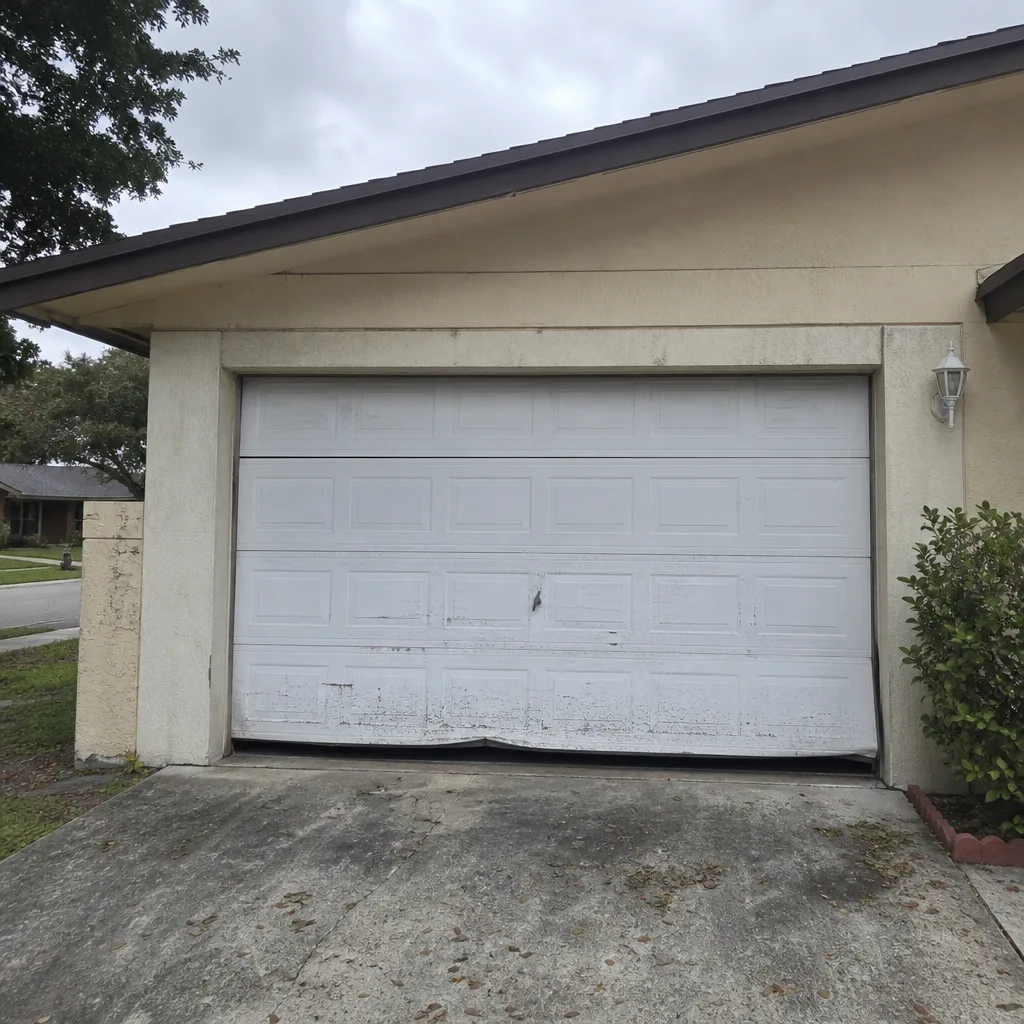 Before
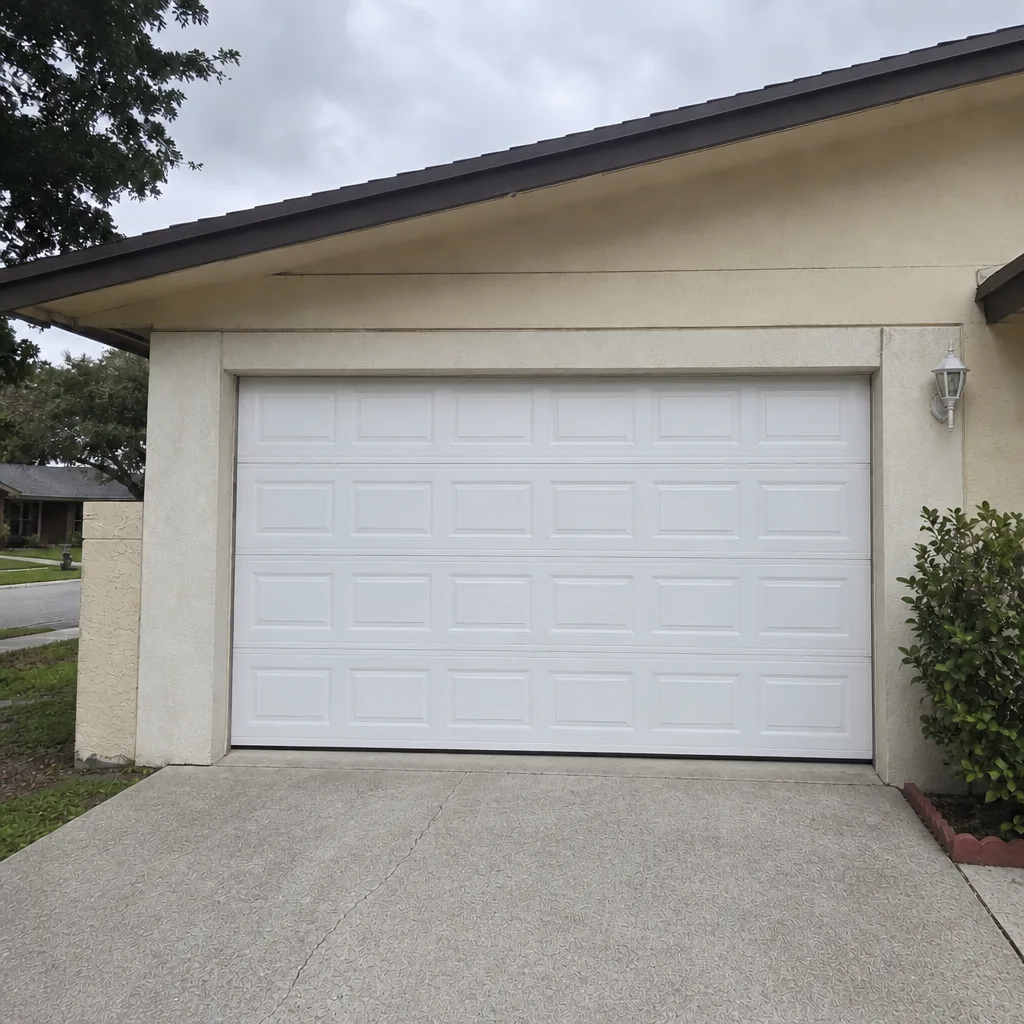 After
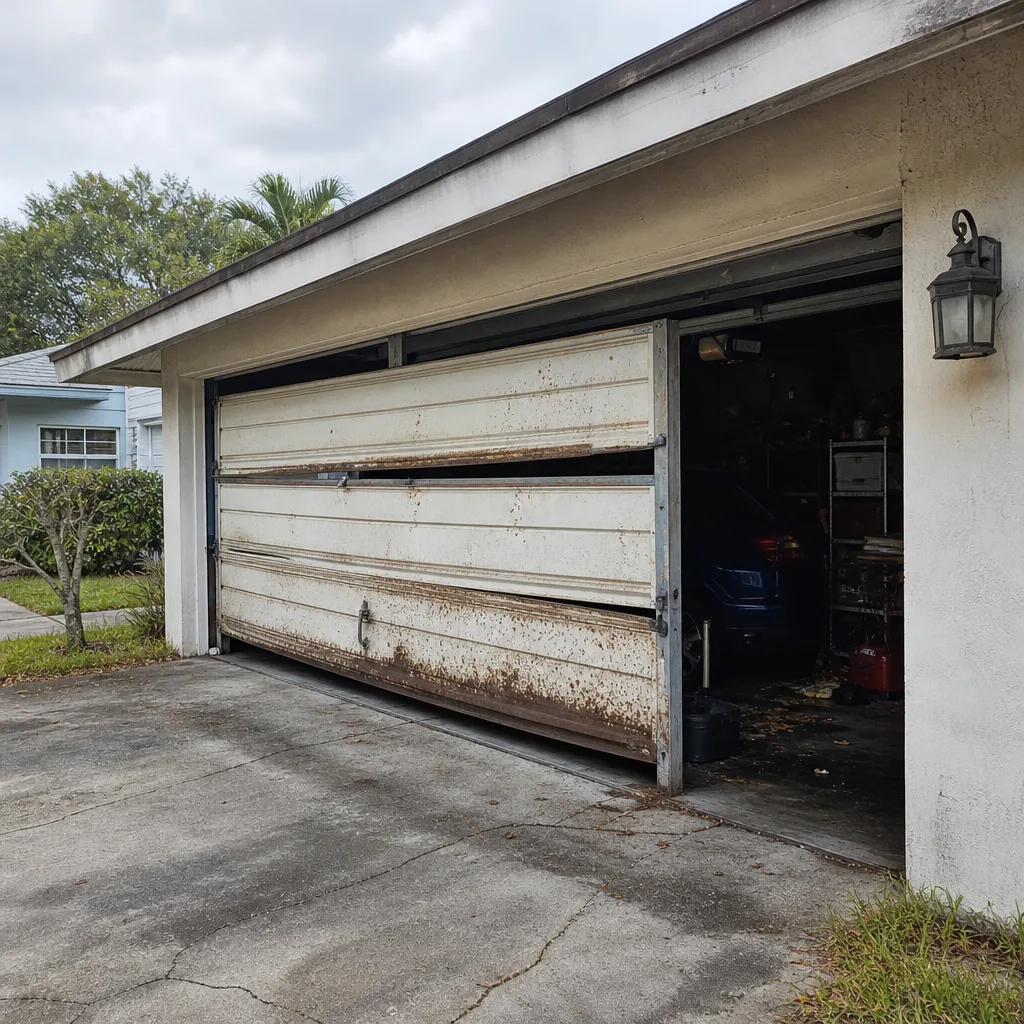 Before
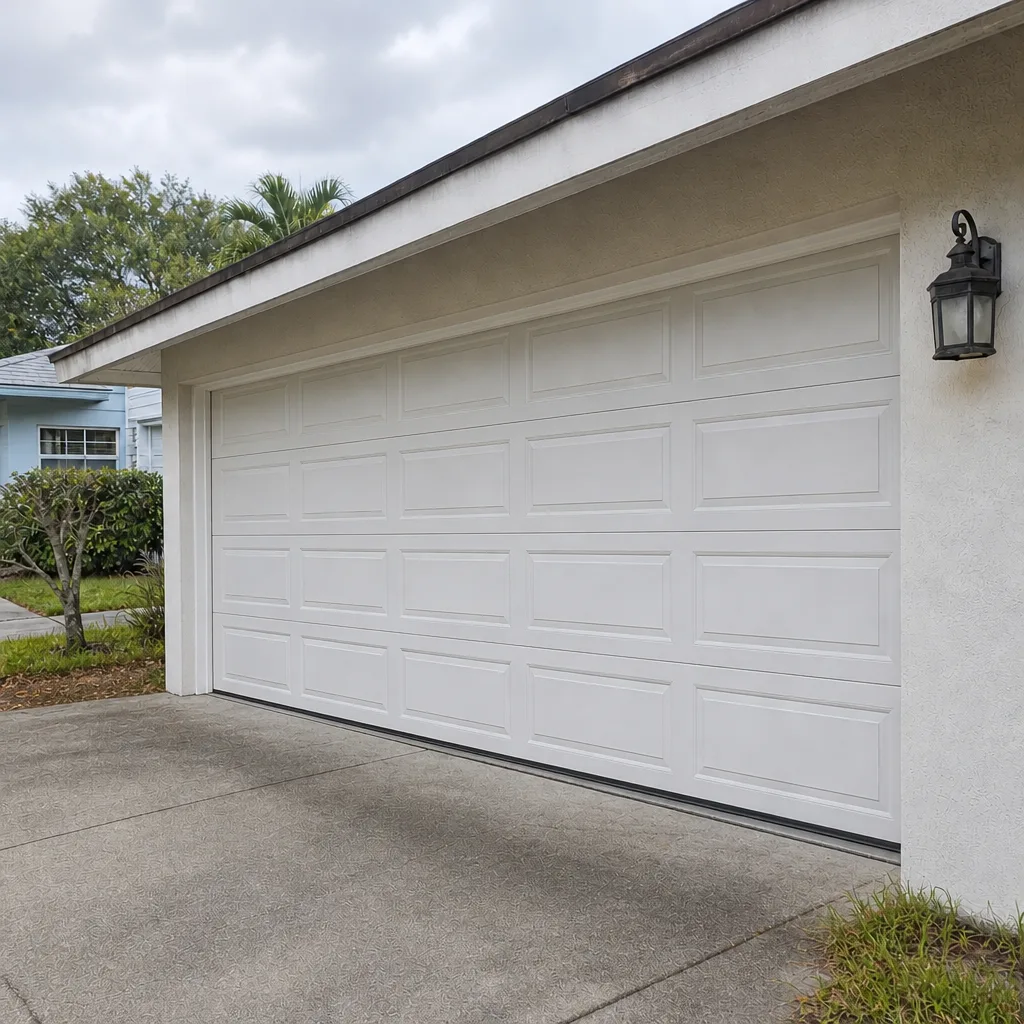 After
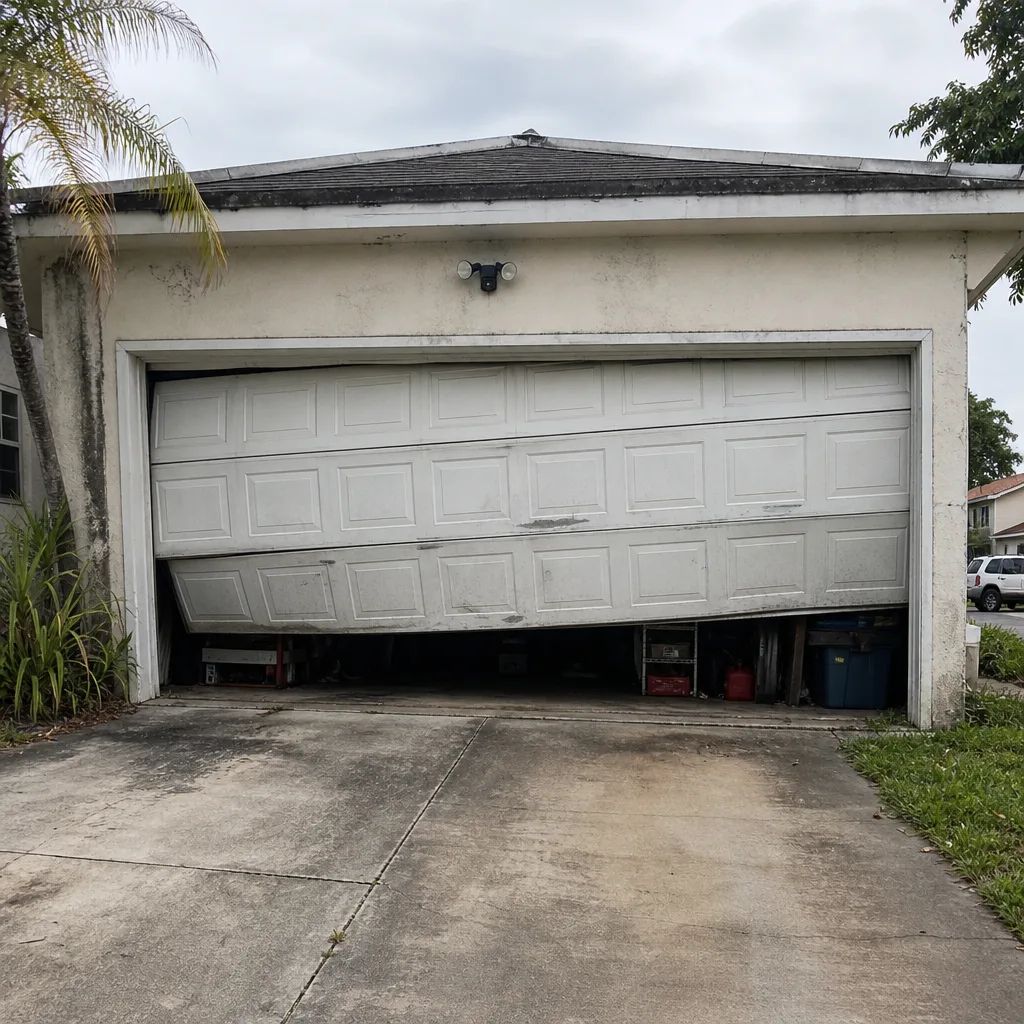 Before
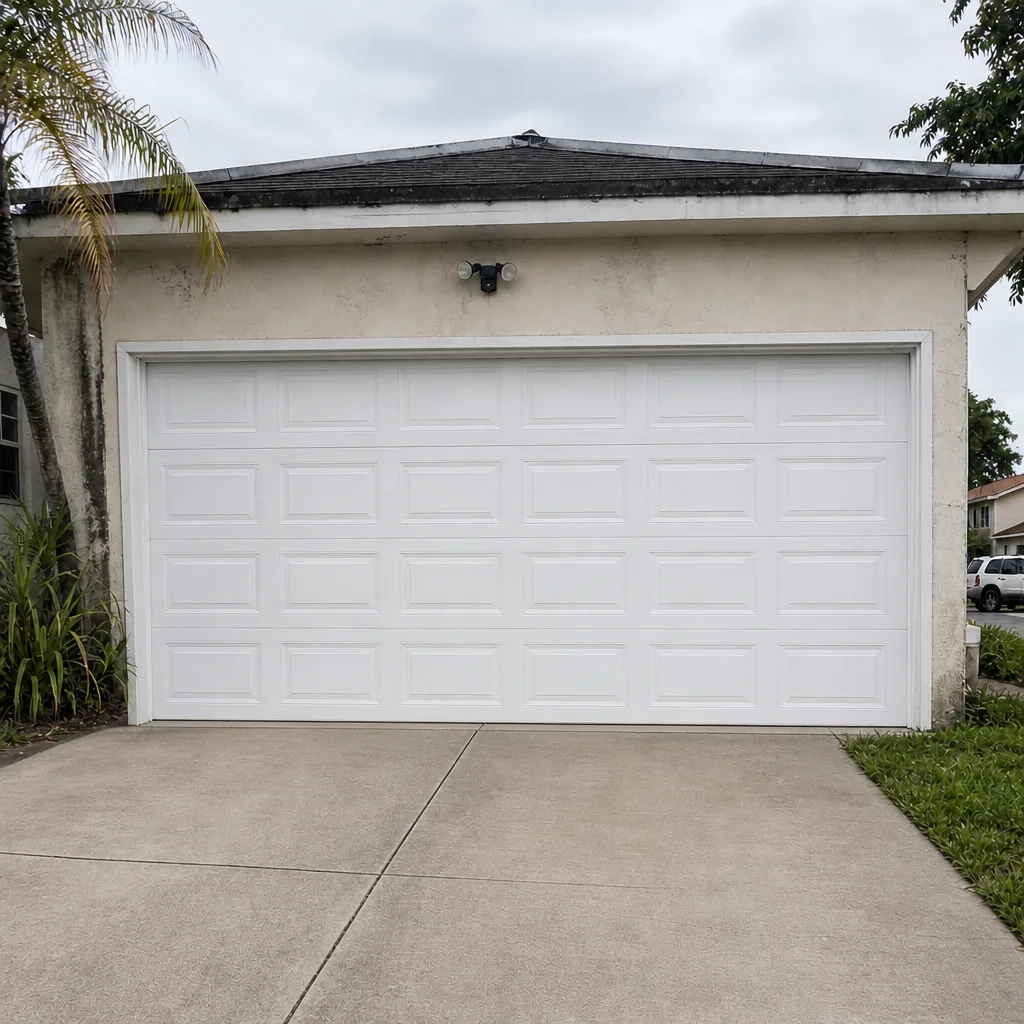 After
Common Mistakes to Avoid
- Resetting an intermittent failure and calling it fixed. If the door reverses once, the underlying condition is still there. The next time it happens, the door might not reset at all.
- Holding the wall button to force a misbehaving door closed. This overrides a safety feature and puts stress on the opener. The reverse is telling you the door or sensors need attention, not force.
- Greasing a frayed cable or a squealing spring. A lubricated spring doesn’t fix a worn one, and hiding the sound on a cable hides the danger. Inspect first, lubricate second.
- Confusing a bottom-seal gap with a panel problem. In humid Sunrise weather, the seal goes first. Replacing it is a small job; ignoring it invites water and pests.
- Buying a heavier-duty opener to fix a slow door. A more powerful motor on an unbalanced door wears out faster and can bend the door. Balance the door first, then size the opener.
- Ignoring the warning sign because the door “still works.” The failure isn’t the symptom; it’s the tipping point after the symptom. Catch it early and you avoid a night without a secure garage.
- Ordering a replacement panel before diagnosing the track. If the track is bent, a new panel dents the same way. Fix the alignment first.
When to Call a Professional
Call a professional for anything involving springs, cables, tracks, or a door that won’t seal. Those are the parts that combine heavy load and moving force, and they’re the ones that cause injury when a homeowner tries to handle them alone. A door that reverses, won’t close fully, or suddenly feels heavy warrants a same-day call. And a door that won’t close leaves your home open to the street, so it’s as urgent as any other home repair.
Sunrise Garage Door Repair Co offers free estimates in Sunrise – call (877) 685-2138. Our technicians have up to 11 years of experience and work on all the major brands, from LiftMaster and Chamberlain openers to Clopay and Amarr doors. We answer 24/7. Fast dispatch from 7am to 7pm, Sunday through Friday. When the problem can’t wait, we’re set up to help.
Frequently Asked Questions
The most common warning sign in Sunrise is a door that gets noticeably louder or slower before it fails – the sound of worn rollers or springs under increasing load. Homeowners often describe it as “the door got old.” It’s actually wear, and it’s usually repairable before the door stops working.
If the door feels impossibly heavy when you lift it by hand and the opener strains or fails, the problem is usually the spring. If the motor makes noise but the door doesn’t move at all, or moves only when assisted, it’s typically the opener. Either way, stop using the door and get it inspected – a broken spring should never be operated.
No. Springs and cables are under extreme tension and are the most dangerous parts of a garage door system. This is work for a trained technician. Our garage door spring repair service exists specifically for this reason – it’s not a repair to attempt alone.
Yes, same-day service is available for a door that won’t close and leaves your home unsecured. Call (877) 685-2138. We answer 24/7, and fast dispatch from 7am to 7pm, Sunday through Friday, gets a technician out the same day in most cases. The price is quoted and agreed before any work starts.
Springs lose strength as they wear, and heat adds strain to the whole mechanism, so the door’s weight feels heavier in peak summer. The opener then has to work harder to compensate. That slowdown is one of the clearest early signs that springs need attention.
We work on LiftMaster, Chamberlain, Genie, Clopay, Amarr, Wayne Dalton, Craftsman, and Raynor – the eight most common residential brands. If your door or opener is one of those, we’ll have the parts and experience to fix it properly. Call (877) 685-2138 for a free estimate on your specific situation.
The Bottom Line
Garage doors rarely fail without a warning. The trick is understanding what to look for and taking each warning sign seriously at the right level: monitor, schedule, or stop using the door. In Sunrise, add climate-specific checks to your routine – watch for rust on cables, seal separation from humidity, and a door that struggles in the summer heat. Run the Sunday night test weekly and most problems get caught early. For the ones that require a trained technician, especially anything involving springs or cables, call the team at Sunrise Garage Door Repair Co. Free estimates, brand-specific expertise, and a price that’s set before the work starts.
Contact Us
Have a warning sign that needs a professional eye? Call (877) 685-2138 for a free estimate from Sunrise Garage Door Repair Co. We answer 24/7, with fast dispatch from 7am to 7pm, Sunday through Friday. Whether it’s a slow door, a failing opener, or a spring that finally gave out, we’ll get it diagnosed, quoted, and fixed so you’re back up and running.
Written by the team at Sunrise Garage Door Repair Co.