
Last updated November 22, 2026
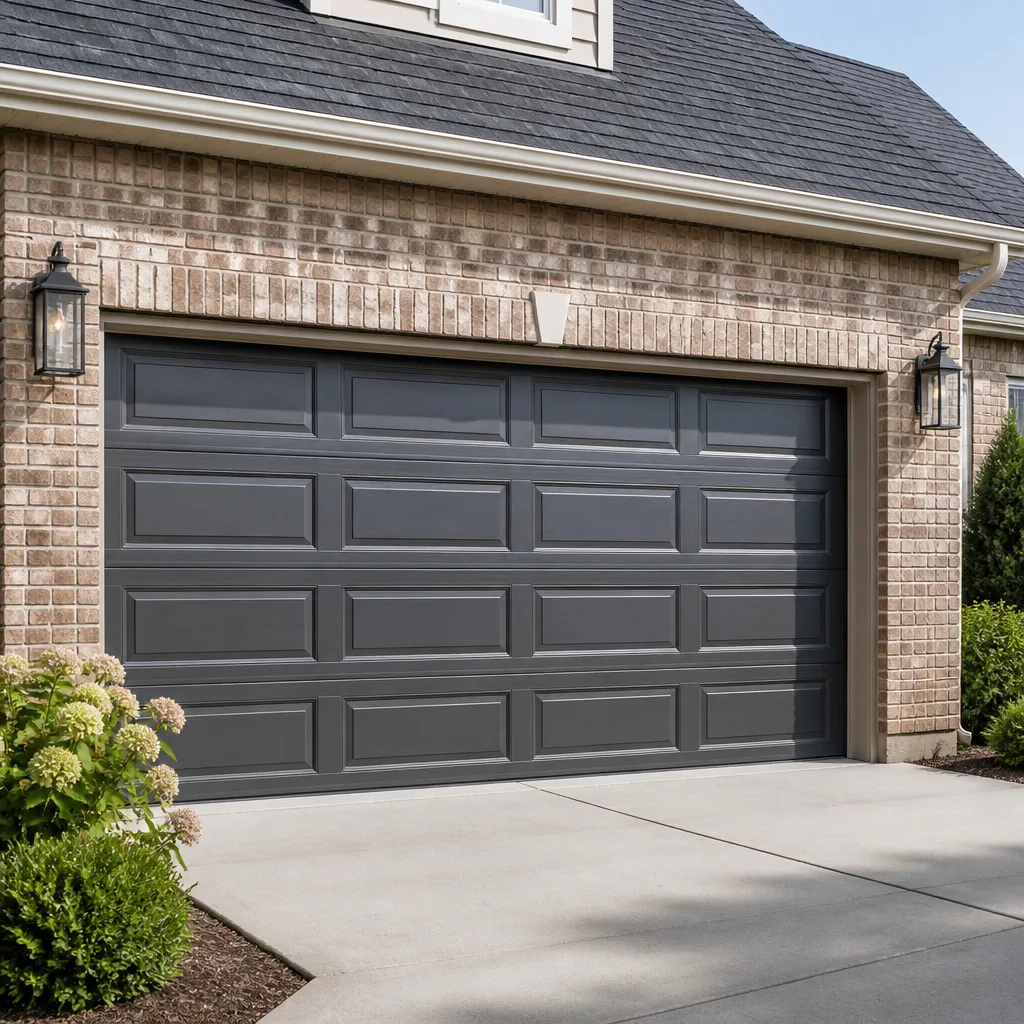 Raised-panel steel
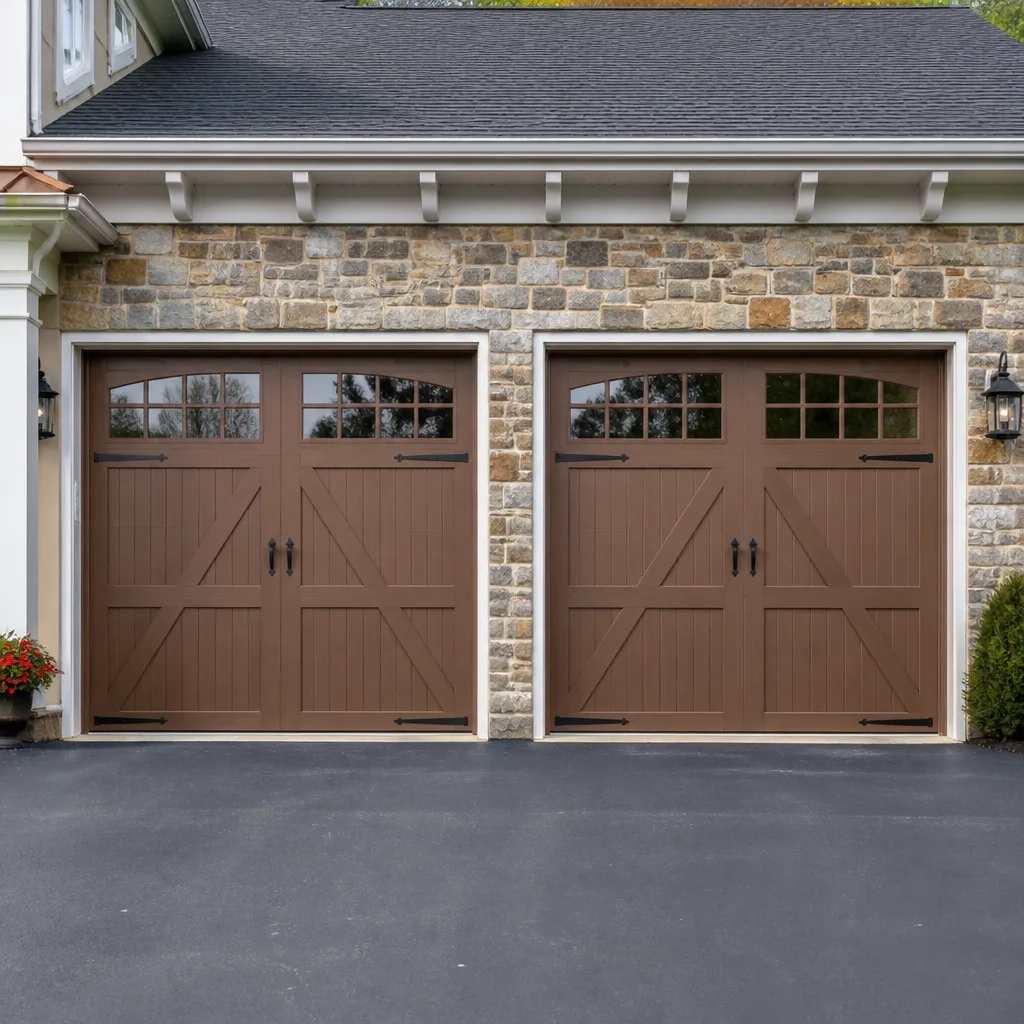 Carriage house
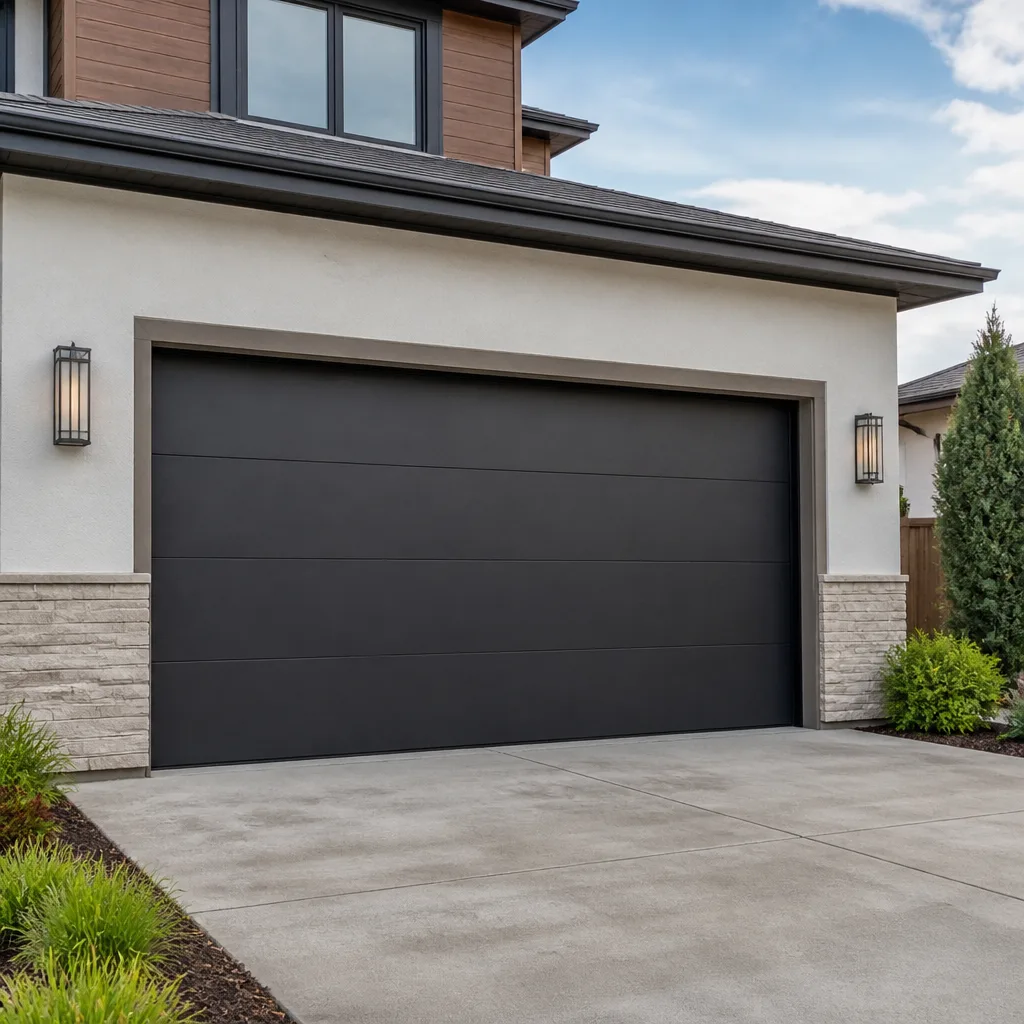 Modern flush
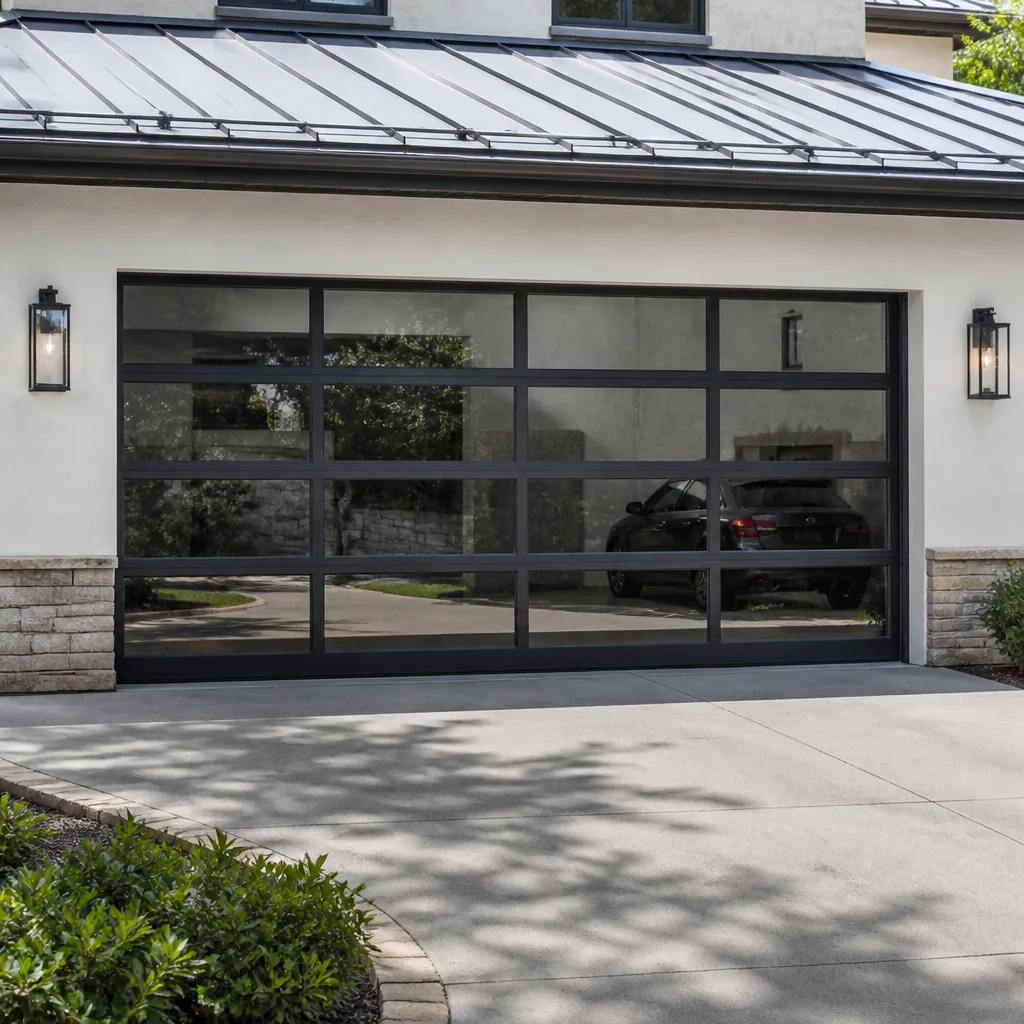 Full-view glass
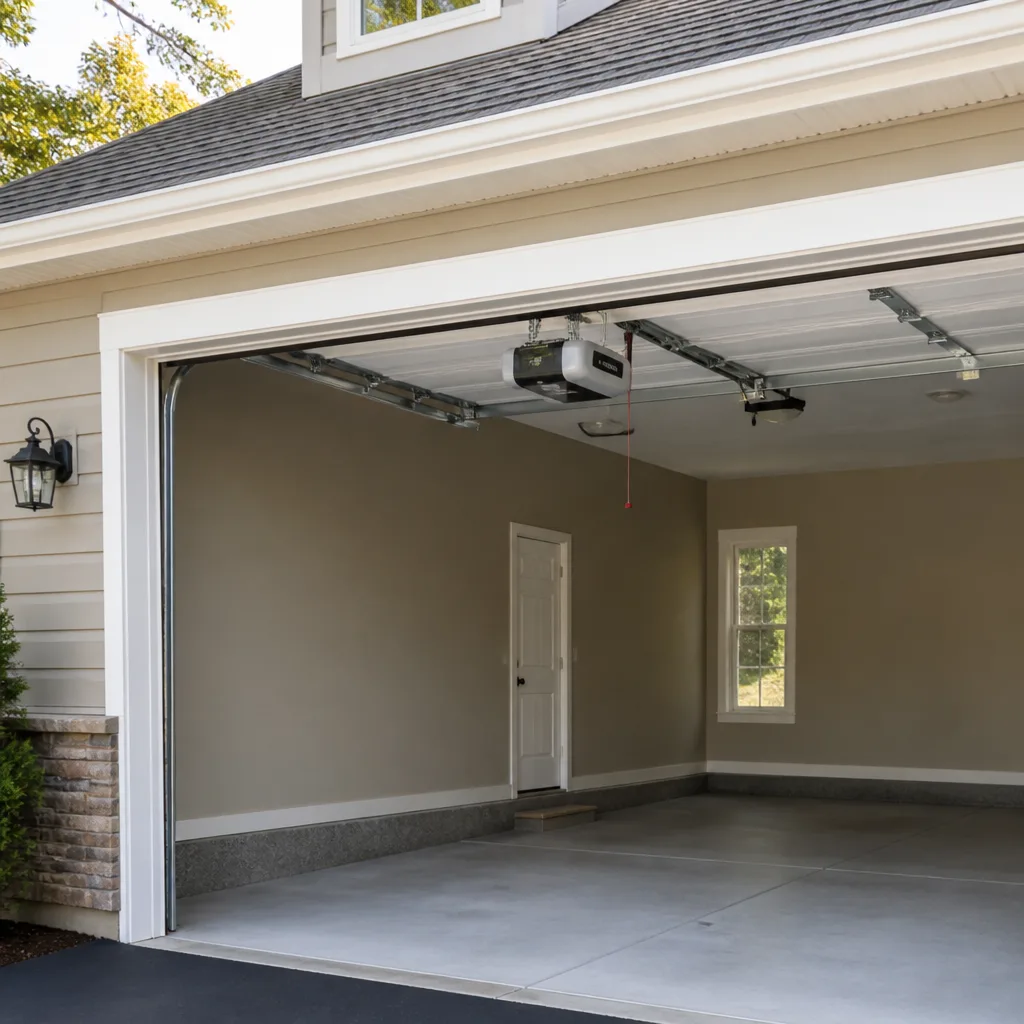 LiftMaster openers
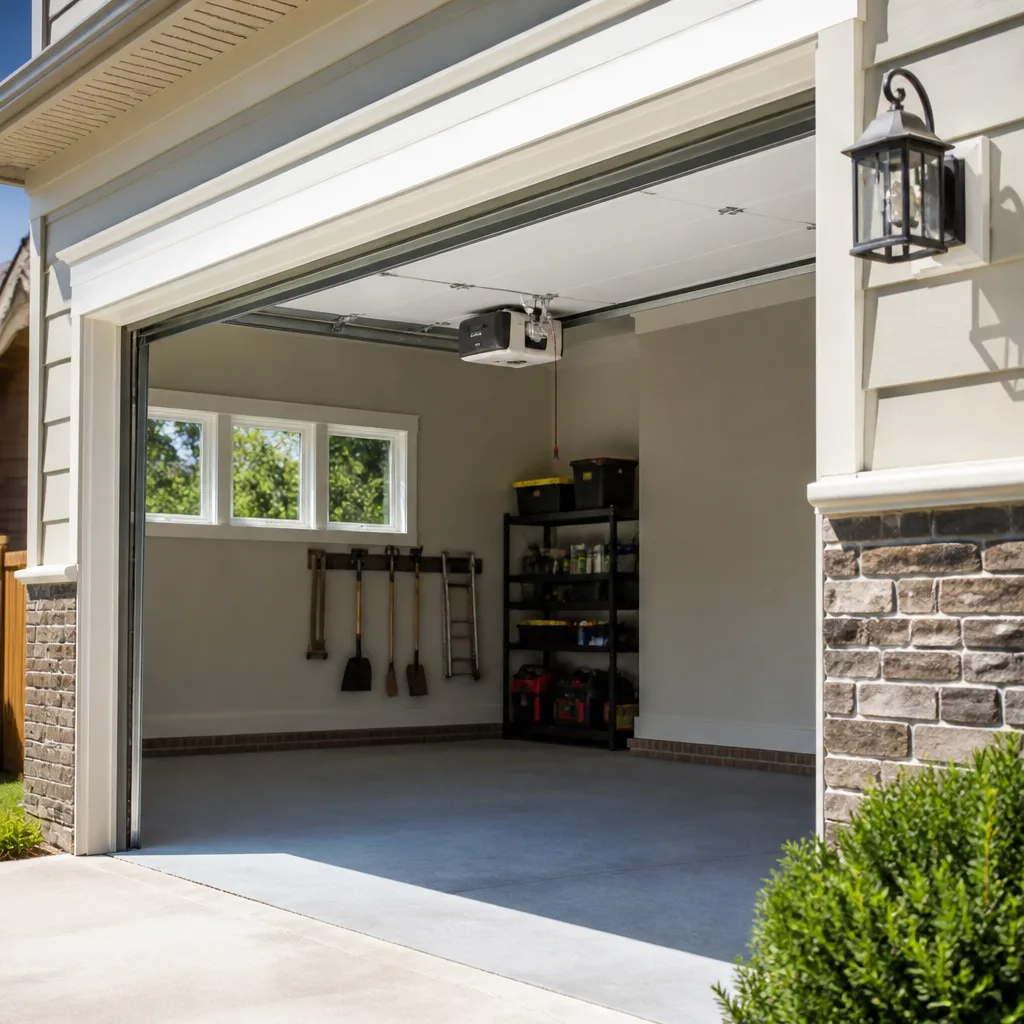 Chamberlain openers
Full 25-point door and opener safety check with every visit - springs, cables, rollers, tracks, and your LiftMaster or Chamberlain opener included
You get a price before we start. It does not change when the pro arrives.
Get your free estimateSeasonal Garage Door Care for Sunrise: Year-Round Homeowner’s Guide
Most garage door maintenance advice you’ll find online was written for a place with four real seasons. Sunrise doesn’t have those. If you’re following a spring-and-fall checklist built for a climate with hard freezes and snow, you’re doing winter prep for weather that never arrives, and you’re probably missing the window that actually matters here: the stretch before hurricane season. This guide reframes garage door care around the four stress periods a Sunrise door really goes through, from the pre-season brace-up in April and May to the dry-season hardware check in January and February. You’ll learn what to look at, when to look at it, and when to stop and call someone.
Quick Answer
Garage door care in Sunrise should follow four windows, not four calendar seasons: pre-hurricane-season prep in April and May, storm-season monitoring in August and September, a post-storm inspection in October, and a dry-season hardware check in January and February. Humidity, heat, and wind load matter far more here than cold. Most of the annual care is inspection and tightening you can do yourself; springs, cables, and track alignment are jobs for a trained technician.
Styles & brands we work with
- Raised-panel steel
- Carriage house
- Modern flush
- Full-view glass
- LiftMaster openers
- Chamberlain openers
Table of Contents
- Why Sunrise Garage Doors Don’t Follow a Four-Season Calendar
- The Four Sunrise Care Windows at a Glance
- Pre-Hurricane-Season Prep: April and May
- Peak Storm Season: August and September
- Post-Storm Inspection: October
- Dry-Season Hardware Check: January and February
- Humidity, Heat, and How They Wear Your Door Differently
- How Sunrise Heat Affects Your Opener Electronics
- Common Mistakes to Avoid
- When to Call a Professional
- Frequently Asked Questions
Why Sunrise Garage Doors Don’t Follow a Four-Season Calendar
Garage door wear isn’t driven by the label on the calendar. It’s driven by the conditions the door actually lives in. In Sunrise, those conditions are heat, humidity, wind, and the occasional intense storm cell, and they don’t line up neatly with spring, summer, fall, and winter.
A door in Sunrise spends most of the year in conditions that stress different parts than a door in a cold climate would. Lubricant thins in sustained heat. Steel expands and contracts across the day. Wood swells in the wet months and shrinks back in the dry ones. Opener electronics sit in an enclosure that can get genuinely hot, not because the motor is faulty but because of where the box lives.
The practical result is that a homeowner in Sunrise who does all their maintenance in October (traditional fall tune-up timing) is checking a door right after its hardest months, which is useful, but they’re not doing the prep that would have limited storm-season damage in the first place. The right pattern is to front-load prep before the storms, monitor during, inspect after, and finish with a hardware pass in the dry months.
We’re a garage door specialist working in Sunrise, and the pattern we see over and over is a door that gets attention only after something fails. This guide is built to flip that. Care happens on the schedule that matches the weather, not the calendar template.
The Four Sunrise Care Windows at a Glance
The whole year breaks into four windows. Each has its own focus, its own easy checks, and its own line where a professional takes over. Here’s the overview before we get into each one.
- Pre-hurricane-season prep (April and May): Reinforce, tighten, test, and confirm the door will hold in wind. This is the most important window of the year.
- Peak storm season (August and September): Monitor, listen, and fix small things before a storm finds them. Keep the door operating smoothly.
- Post-storm inspection (October): Check for impact, shifted track, stretched cables, and alignment after the season’s wind events.
- Dry-season hardware check (January and February): Tighten, lubricate, and address the shrinkage and loosening that the dry weeks reveal.
Two of these windows are inspection and light upkeep you can do yourself. Two of them (pre-season brace-up and post-storm safety inspection) benefit from a trained eye, especially on older doors. The rest of this guide walks through each window, what to do, and when to stop.
One note before we dive in: if a spring ever breaks, the door is genuinely dangerous to operate. That’s not a seasonal item. That’s a call-now item. We handle garage door spring repair as a core service for exactly this reason.
Pre-Hurricane-Season Prep: April and May
April and May are the highest-value weeks on a Sunrise garage door calendar. This is when you prepare the door for the wind events of the months ahead, when it’s still calm enough to fix things without a deadline. Waiting until a storm is named is too late to order parts or schedule a brace-up.
Start with a full inspection of the door as it sits. Then work through the checks below. These are observations, not repairs; we’re deliberately not giving step-by-step instructions for anything that could injure you.
- Wind-load rating: Every garage door sold for use in South Florida carries a wind-load rating, usually a pressure number tied to a design speed. Find your door’s rating (it’s often on a label inside the door or on the original paperwork) and confirm the door is rated for the wind speeds your area is designed to. A door that’s rated but improperly reinforced isn’t doing its job. If you can’t find the rating, that itself is a reason to have a technician look.
- Bracing kits: Horizontal bracing reinforces a door’s panels against wind pressure. If your door doesn’t have bracing or the bracing looks loose, bent, or missing fasteners, this is a pre-season fix, not a day-of-storm fix.
- Horizontal track reinforcement: The horizontal track that carries the door back into the garage is the weak point in high wind. Reinforcement hardware exists for exactly this. A technician can tell you whether your track is already reinforced or whether it can be.
- Rollers and hinges: Worn rollers and loose hinges rattle and shift under wind load. Firm them up in April, not August.
- Cables and springs: Visual check only. If a cable looks frayed, kinked, or slack, stop and call. Springs, in particular, are the part you never handle yourself.
- Weather seal: The bottom seal and side seals keep wind-driven rain out. Cracked or missing seal is an easy pre-season replacement.
If you’re not sure your door is storm-ready, the safest move is a professional inspection. We work on LiftMaster, Chamberlain, Genie, Clopay, Amarr, Wayne Dalton, Craftsman, and Raynor equipment, so whatever’s in your garage we’ve seen it before. Call (877) 685-2138 for a free estimate on a pre-season inspection or brace-up.
Peak Storm Season: August and September
August and September are when the serious weather shows up in Sunrise. The job in this window is to keep the door operating smoothly so a small problem doesn’t become an urgent one exactly when you can’t get a technician out quickly because everyone else needs one too.
The best care in peak season is a listening habit. A door that’s been quiet all year and suddenly squeals, grinds, or bounces tells you something changed. Catch it in the calm week, not the storm week.
What to actually do in August and September:
- Test the safety reverse once a month. Place a small object in the door’s path and confirm the door reverses on contact. This is a simple test, not a repair, and it confirms the opener’s safety sensors are working. If the door doesn’t reverse, stop using it and call.
- Listen for changes. A new grind, a squeal, a hesitation at the top of the travel, or a bounce at the bottom are all early warnings. None of them are emergencies. All of them are cheaper to fix now than after a failure.
- Keep the tracks clear. Debris and grit in the track cause rollers to jump. A quick visual check of the vertical and horizontal tracks each week during storm season prevents a lot of headaches.
- Check the photo-eye alignment. The two small sensors near the bottom of the door need a clear line of sight. A bumped sensor is the most common reason a door “won’t close” during a busy week.
- Clear the garage interior. A door that’s operating under a leaning ladder or a stack of boxes is a door waiting for an accident.
If the door stops working entirely during storm season, that’s an emergency in the real sense: your home is open. This is where garage door repair can’t wait for a Monday callback. We answer 24/7, with fast dispatch from 7am to 7pm, Sunday through Friday. A call outside dispatch hours is booked into the next opening, Sunday through Friday, 7am to 7pm.
Post-Storm Inspection: October
Once the season’s main wind events have passed, October is the month to look for damage the weather left behind. Many storm-related garage door problems don’t fail immediately. They hide until the next wind event finishes the job.
Here’s the inspection protocol. It’s a mix of things you can check safely and things that mean stop.
What you can check yourself:
- Look at the door as a whole. Stand inside the garage with the door closed and look across the panels. Do the panels line up? A door that was flat in June and looks warped in October has taken a hit.
- Check the track for shifted alignment. The horizontal tracks should run parallel and even. If one track has shifted out of alignment or looks pushed, that’s a track problem, and the door may not operate safely.
- Look for dents or impact marks. Impact damage from wind-blown debris is common. A small dent isn’t automatically unsafe, but it can lead to panel fatigue over the year.
- Check the bottom seal. A seal that got pushed out of its channel during a storm lets water and wind in and needs to be reseated or replaced.
- Listen at the end of the door travel. A door that used to stop cleanly and now slams or wobbles at the bottom tells you something shifted during the season.
What means stop and call:
- A cable that looks slack, kinked, or frayed.
- A door that hangs unevenly or looks crooked in the opening.
- A visible change in spring position or a spring that looks bent.
- Any panel that looks loose from its hinges or rails.
- A door that moves in a way it didn’t before the season.
Do not try to operate a door that’s visibly out of alignment, and never try to adjust or remove a spring or cable yourself. These are the parts of a garage door that can cause serious injury. A trained technician is the right call, and the October window is the calm time to do it.
Dry-Season Hardware Check: January and February
January and February are Sunrise’s dry weeks, and they reveal wear that wet-season humidity hides. Bolts that stayed snug in humid air can loosen as wood and metal shrink and settle back. This is the month for the tighten-and-lubricate pass.
The dry-season hardware check is the easiest of the four windows and the one most homeowners skip because nothing is actively failing. That’s exactly why it’s valuable: it’s the cheapest time of year to catch a problem.
- Tighten the visible fasteners. The bolts and screws that hold the hinges and brackets to the door and the track to the wall. Run them snug by hand with the right tool. Don’t overtighten.
- Lubricate the moving parts. Rollers, hinges, and the torsion bar (not the spring itself) benefit from a garage-door-appropriate lubricant. Not WD-40, which is a solvent and not a lubricant. A proper garage door lubricant keeps the door quiet and slows wear.
- Check the bottom seal and side seals. Cracked rubber is common after a hot year. Seals are easy to replace and matter for rain intrusion.
- Test the safety reverse again. Same test as in storm season. Same outcome: if the door doesn’t reverse, stop using it and call.
- Check the door balance. With the door closed and the opener disconnected, lift the door about halfway by hand and let it go. It should stay put. If it drops or flies up, the spring balance is off and a technician needs to look at it.
- Look at the opener. Check the light, listen for grinding, and confirm the unit responds cleanly to both the wall switch and the remote.
None of these tasks require you to touch a spring or cable. If any step turns up a symptom that involves the spring, cable, or track, stop and call. The dry season is the right time for a professional tune-up before the next April.
Humidity, Heat, and How They Wear Your Door Differently
Sunrise’s wet season and its dry season don’t just affect the weather, they change what the door’s materials do. Understanding this is what lets you spot a problem before it fails.
Wet-season humidity. In the humid months, wood components swell, which is why wood garage doors open and close differently in August than in January. Hydraulic and pneumatic opener components and older lubricants can behave differently under sustained humidity, and metal expands and contracts across the day. The practical takeaway is that small changes in sound or travel in the wet season often aren’t failures. They’re material response to moisture. Watch for the trend, not one weird day.
Heat and thermal cycling. Metal, springs, cables, and opener electronics all cycle through expansion and contraction as the garage heats up and cools down. That cycling is what loosens fasteners and stresses spring tension over a year. A spring isn’t a rigid object, it’s a piece under steady tension, and heat cycling is one of the things that shortens its working life. This is why “it worked fine in January” isn’t a reason to skip a spring inspection in April.
Wood door swelling. Wood doors are the most sensitive to the wet-dry cycle. A wood door that swells in the wet season can bind in the track and force the opener to work harder. A wood door that shrinks in the dry season can develop cracks around panels and hardware. If you have a wood door, budgeting for a proper inspection once a year is worth it.
What this means for your schedule. Watch the door during the wet months for sounds and habits that feel different. In the dry months, tighten and lubricate. That rhythm matches what the materials are doing.
How Sunrise Heat Affects Your Opener Electronics
Your garage isn’t air-conditioned. In the summer, the interior can get hot enough that the opener’s enclosure is a genuinely tough environment for electronics. The result isn’t usually a dramatic failure. It’s a slow degradation that you notice as the opener hesitating, losing remote range, or resetting itself.
The two most common symptoms we hear about in Sunrise are a remote that used to work from the driveway and now only works from a few feet away, and an opener that occasionally stops partway and needs a second press to finish. Both are worth taking seriously before they become a door that won’t open at all.
Here’s how to handle heat:
- Keep the opener’s vents clear. Most openers have vents on the housing. Don’t stack boxes around the unit or press anything against it.
- Check the outlet and wiring. If the opener is on an older circuit, or the outlet looks aged, that’s a professional’s job. Electrical work isn’t a homeowner task.
- Replace the remote battery. A surprising share of “the opener is dying” symptoms are a weak remote battery in a hot garage. Start with the cheapest diagnosis.
- Look at the logic board carefully. If the opener is losing memory, forgetting remotes, or resetting, that’s electronics. This is a job for a technician who handles your opener brand. We work on LiftMaster, Chamberlain, and Genie units, among others, and garage door opener repair is one of our core services.
- Consider a service call if the opener is older. Openers do have a service life. If yours is on the far end of it, a chat about replacement might be cheaper than repairs.
Electrical components, wiring, and openers carry real current. Don’t open the housing yourself. Call a technician and let them handle it. The estimate is free, and it’s far cheaper than an opener that dies when you need it most.
Common Mistakes to Avoid
These are the patterns we see as a garage door specialist in Sunrise. Some are specific to our climate. Some are universal.
- Following a winter prep checklist. If your maintenance routine is built for cold weather, it doesn’t match Sunrise. Rethink the plan around hurricane season and dry weeks instead of the traditional spring and fall tune-ups.
- Skipping the pre-hurricane-season window. Tracking down a brace kit or scheduling a track reinforcement during a named storm is not possible. The window is April and May, not August.
- Using WD-40 on garage door parts. It’s a solvent, not a lubricant. It strips the parts and then evaporates. Use a proper garage door lubricant.
- Ignoring small sounds. The squeak in April becomes the snapped spring in September. The openers get tested hardest when a storm is near, and the small problems get caught too late.
- Replacing a spring yourself. This is the single most dangerous DIY task on a garage door. High-tension springs and cables can cause serious injury. There’s no version of this that’s worth the risk. Let a professional handle it.
- Operating a door that’s visibly out of alignment. A door that looks crooked, hangs unevenly, or moves strangely after a storm is unsafe to operate. Stop and call before you test it “one more time.”
- Assuming “rated” means “reinforced.” A door’s wind-load rating tells you what the door is rated to handle. It doesn’t tell you whether the door is currently properly braced, tracked, and sealed. Those are the parts to check.
When to Call a Professional
Some seasonal care is a homeowner task. Some of it shouldn’t be, ever. The line between them is worth knowing.
Call a professional if any of the following is true:
- The door is visibly out of alignment, or one panel is out of its rails.
- A spring looks bent, or a door that used to open cleanly now slams, bounces, or needs extra force.
- A cable is slack, kinked, or frayed.
- The door moves unevenly or hangs crooked.
- The safety reverse test fails.
- The opener is hesitating, losing remotes, resetting itself, or making new grinding sounds.
- The door won’t close and the house won’t be secure.
When the situation can’t wait, we’re available. We answer 24/7, with fast dispatch from 7am to 7pm, Sunday through Friday. Same-day service is often possible when you call early. The estimate is always free, and the price we quote is the price you’re charged; we agree it in writing before any work starts. That’s how we run every job, whether it’s a tune-up in the dry season or an emergency call in the middle of storm season.
Sunrise Garage Door Repair Co offers free estimates in Sunrise. Call (877) 685-2138 to schedule.
Frequently Asked Questions
April and May, before hurricane season, are the highest-value weeks for a professional inspection, with a second good window in January and February for a dry-season hardware check. The pre-season window is when you can order parts, schedule a brace-up, and fix issues without a deadline. Waiting until a storm is named is too late for any of that.
No. A wind-load rating tells you the wind pressure the door is designed to handle, not that the door is guaranteed to survive every storm or that it’s currently installed to that rating. Bracing, track reinforcement, seals, and proper installation all affect how the door actually performs. A rated door that’s unreinforced or poorly maintained isn’t doing the job the rating implies. If you don’t know your door’s rating or whether it’s braced, call us for a free inspection.
Heat and humidity change what the materials do. Steel expands and contracts across the day, lubricant thins, wood swells, and opener electronics run hotter than they would in a cooler garage. A door that sounds a little different in August isn’t necessarily failing, but a sound that’s genuinely new – a grind, a squeal, a bounce – is worth having looked at. Call (877) 685-2138 for a free estimate if the sound is new or getting worse.
Bracing kits and track reinforcement hardware exist, but installation is a professional job on most doors, especially once the door is over a certain age or has non-standard panels. The pre-season window is the time to schedule it. Trying to add reinforcement to a door that already has worn rollers, loose hinges, or a questionable track can make things worse. We handle brace-up and pre-season inspections on all major door brands.
First, check the photo-eye sensors. A sensor that got bumped during wind is the most common reason a door refuses to close. If the sensors look aligned and the door still won’t close, look at the tracks and the door itself. If anything is visibly out of alignment, stop, don’t force the door, and call. We answer 24/7 at (877) 685-2138, with fast dispatch from 7am to 7pm, Sunday through Friday. A call outside dispatch hours is booked into the next opening, Sunday through Friday, 7am to 7pm.
A weak remote battery that gets cooked in a hot garage is the cheapest explanation and worth ruling out first. If the battery is fresh and the opener still hesitates, loses remotes, resets itself, or grinds, that’s an opener problem, not a heat problem. We repair LiftMaster, Chamberlain, and Genie units, among other brands, so we can tell you whether repair or replacement makes more sense. Call us for a free estimate and we’ll be straight with you.
The Bottom Line
Garage door care in Sunrise works best on the weather’s schedule, not the calendar’s. Four windows do the job: brace-up and inspect in April and May, monitor during August and September, inspect for storm damage in October, and run a tighten-and-lubricate hardware check in January and February. The two things you should never do yourself are handle a spring or cable and force a door that’s visibly out of alignment; those go to a professional. Everything else is a manageable seasonal habit that keeps the door quiet, keeps the house secure, and keeps you from being the person who finds out about a problem the day after a storm. If the year’s plan ever needs a second opinion, call us.
Sunrise Garage Door Repair Co handles the full service spectrum for homeowners: repair, spring work, opener work, installation, and emergency response when the door can’t wait. Our technicians have up to 11 years of experience, we work on LiftMaster, Chamberlain, Genie, Clopay, Amarr, Wayne Dalton, Craftsman, and Raynor equipment, and we’re a dedicated garage door specialist, not a general handyman. When you’re ready to schedule, call (877) 685-2138 for a free estimate. We answer 24/7. Fast dispatch from 7am to 7pm, Sunday through Friday. Start with Sunrise Garage Door Repair Co and we’ll take it from there.
Written by the team at Sunrise Garage Door Repair Co.
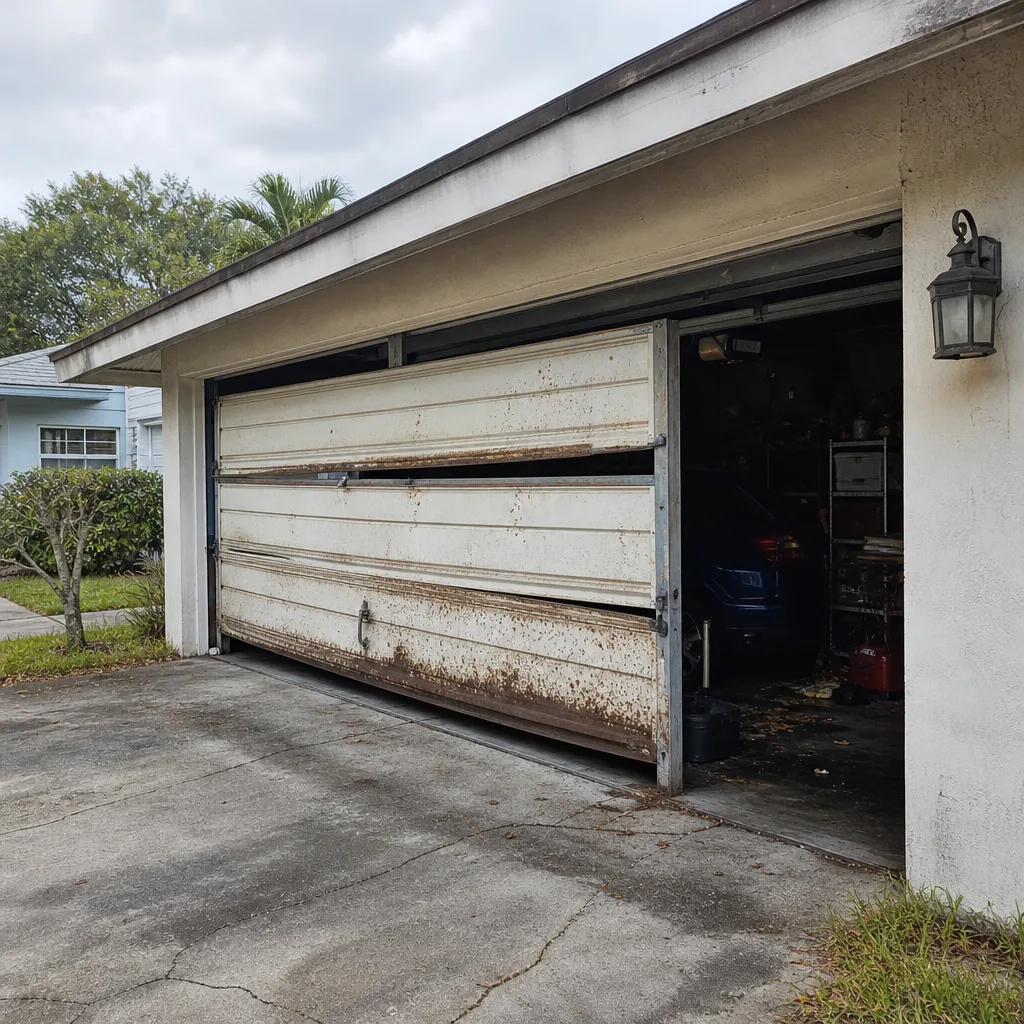
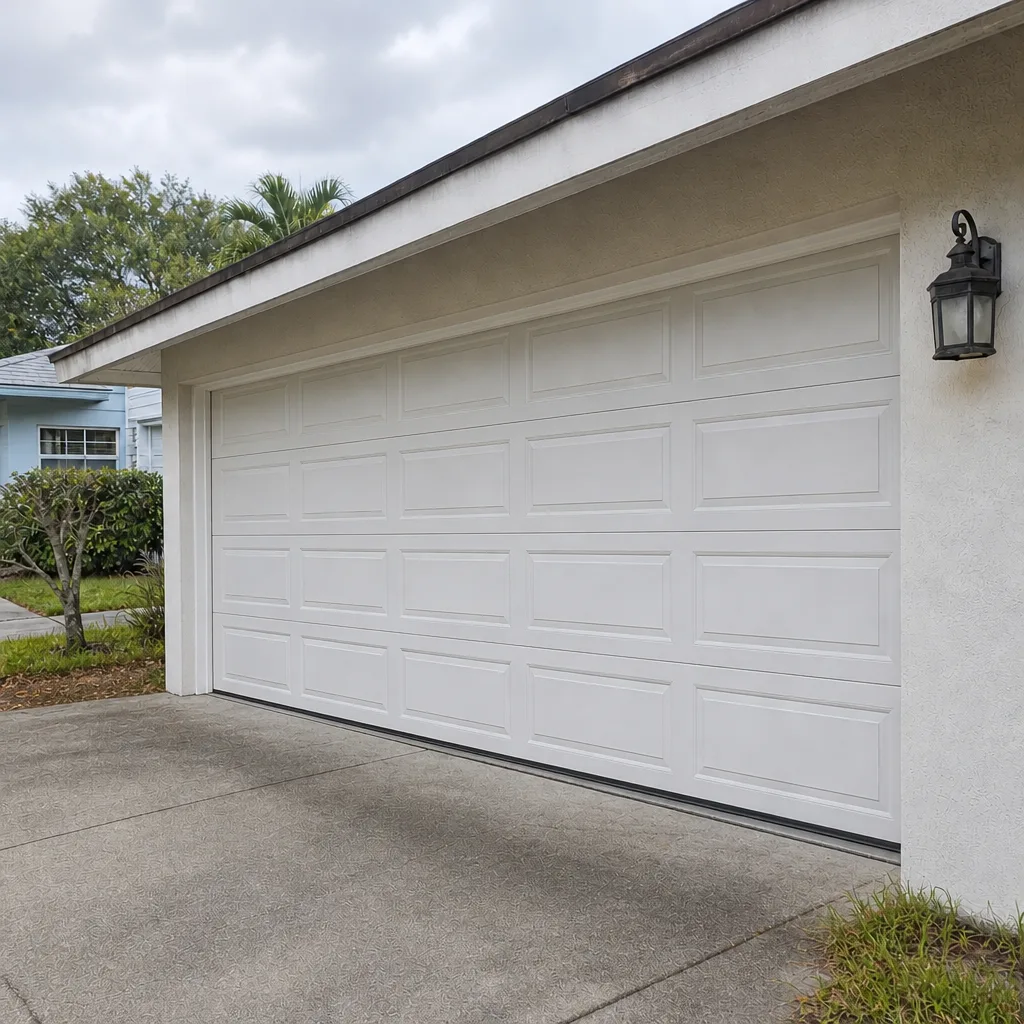
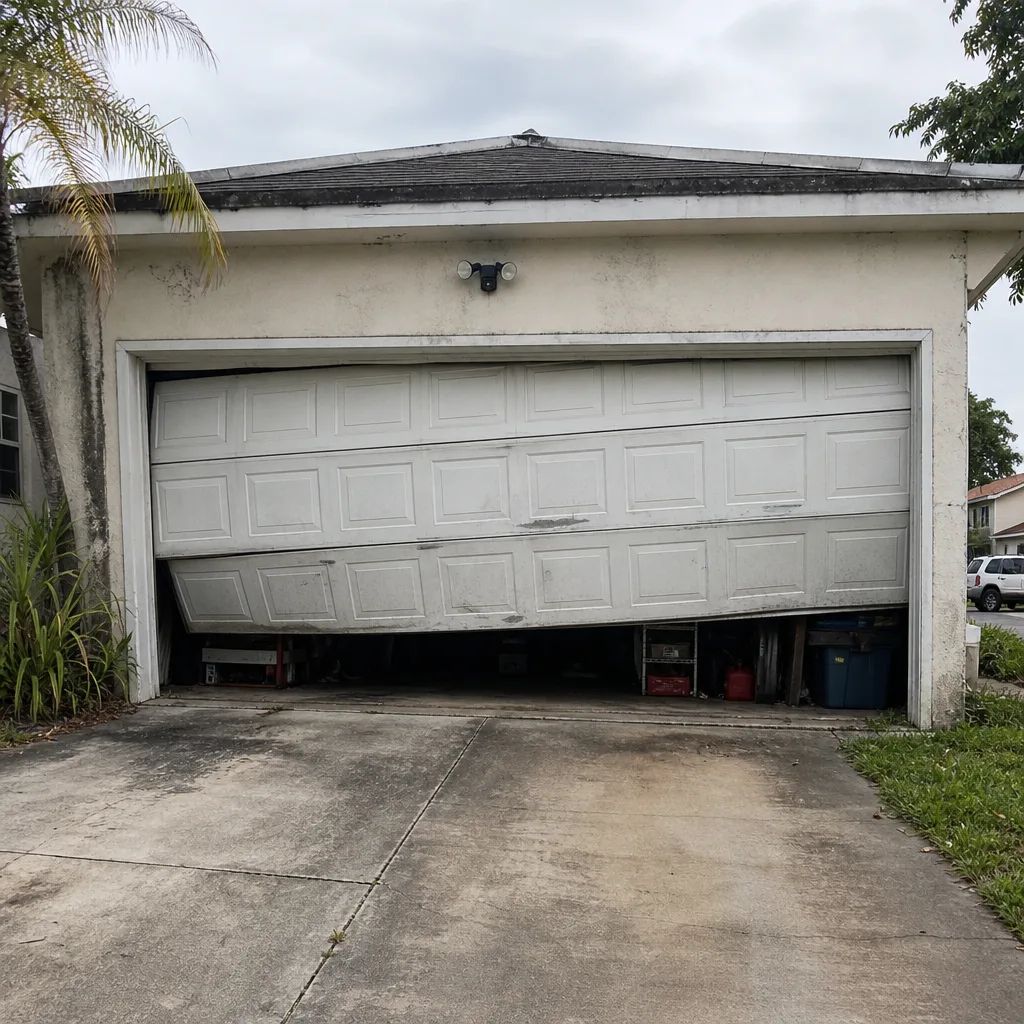
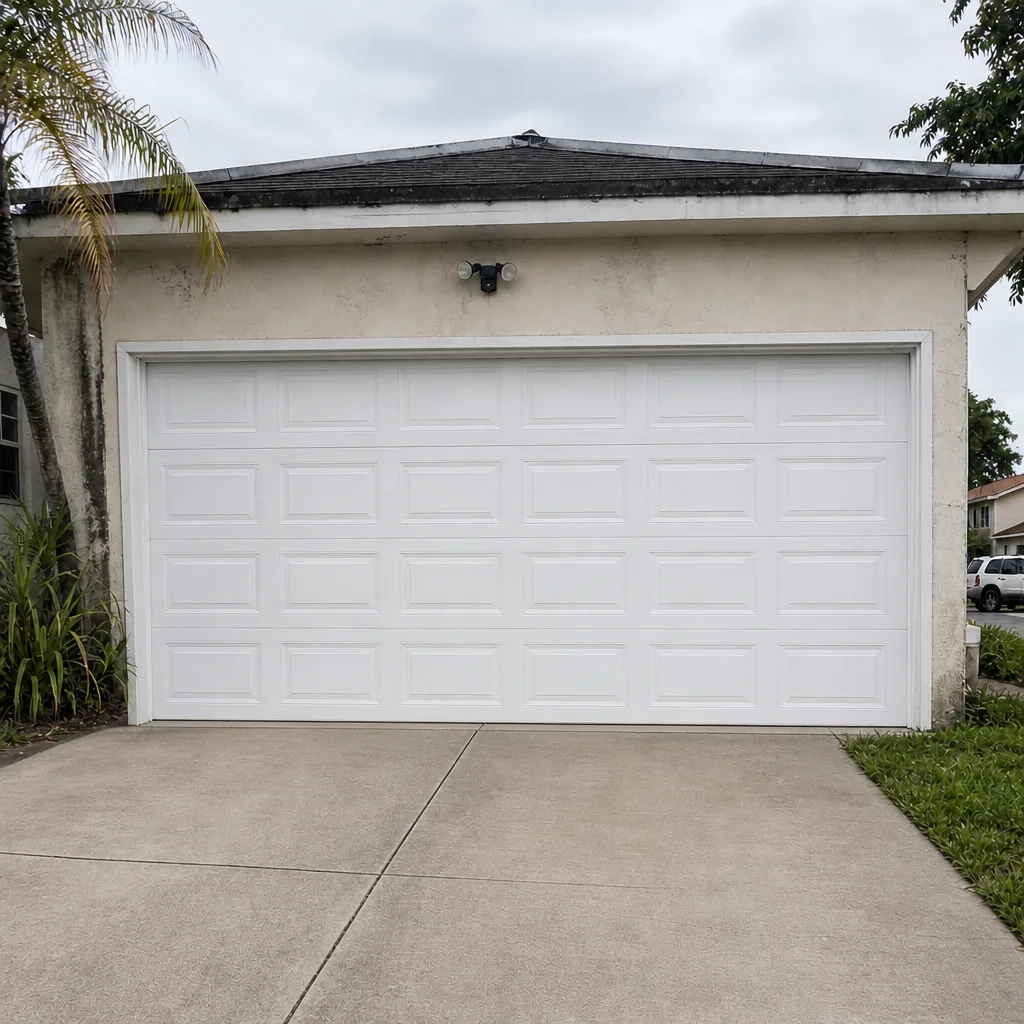
See the difference
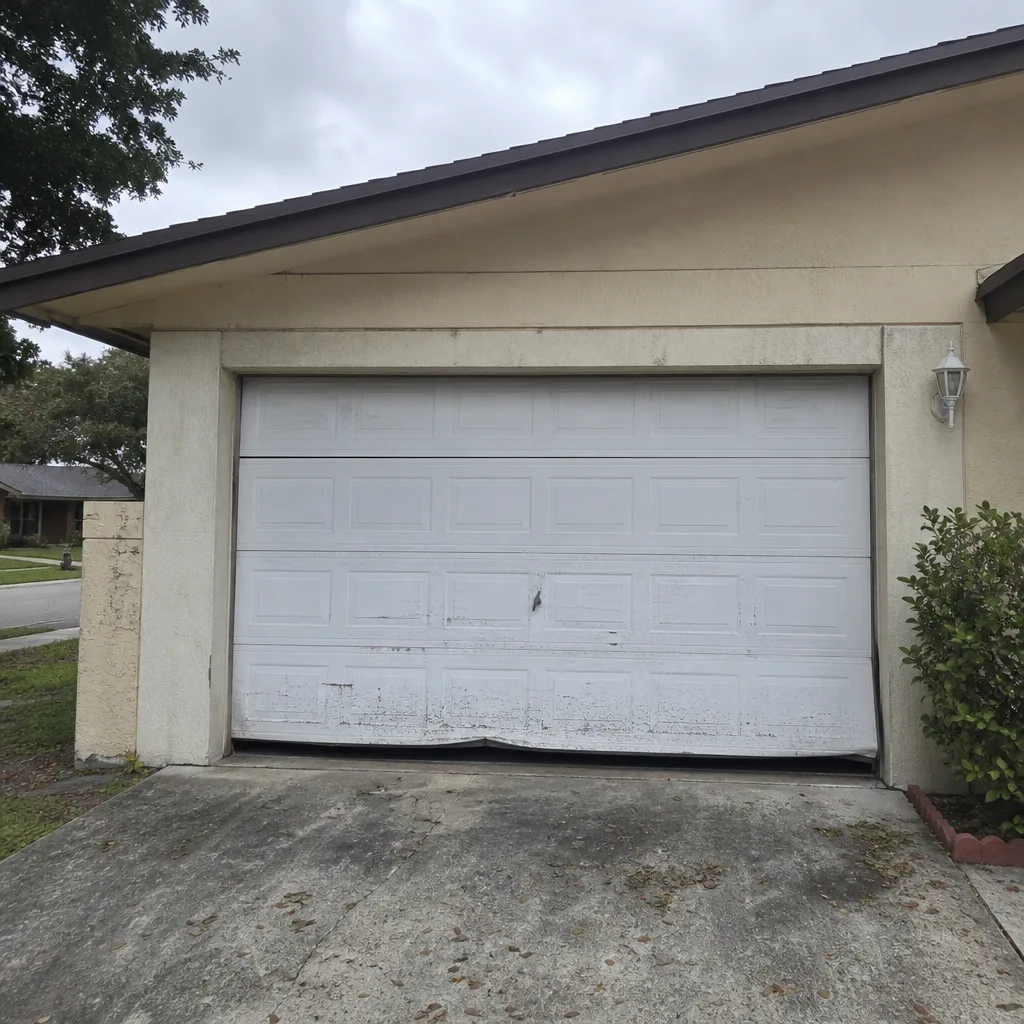 Before
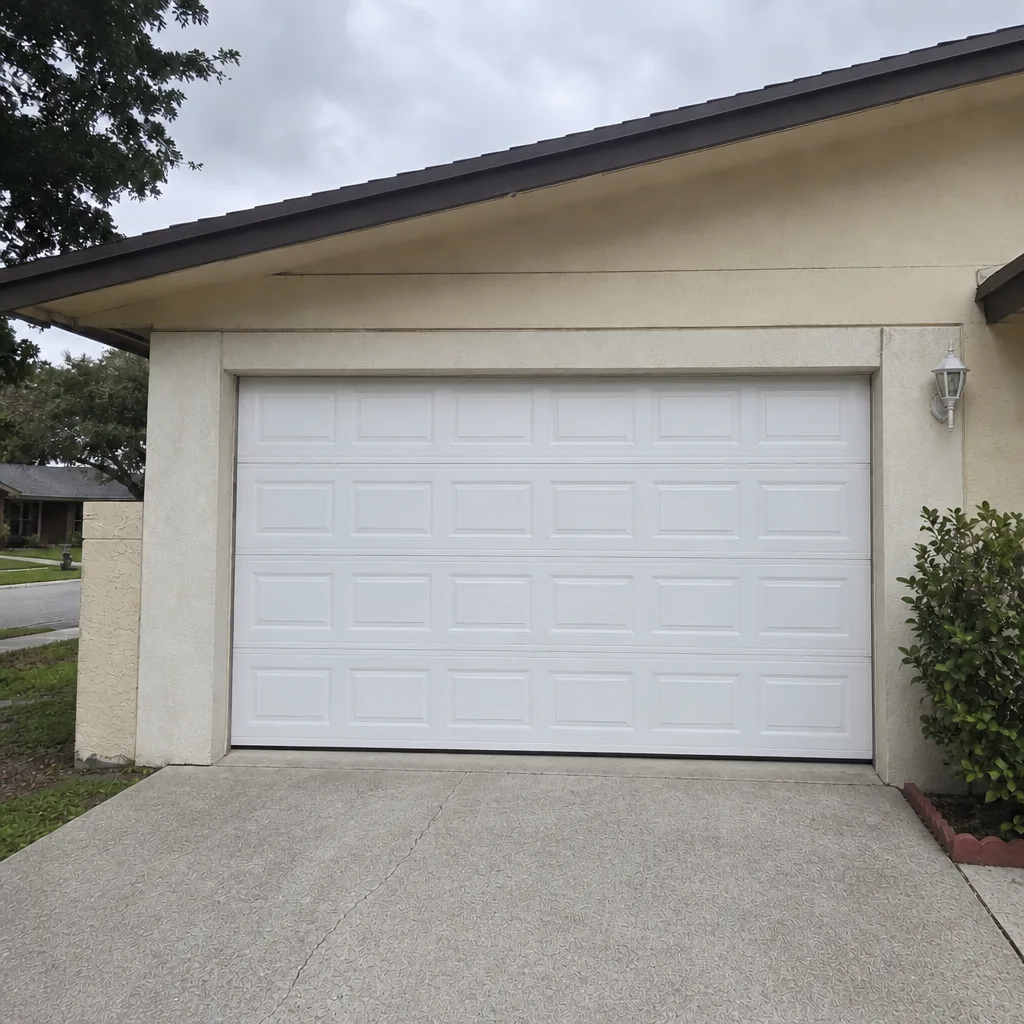 After
 Before
 After
 Before
 After