
Last updated November 22, 2026
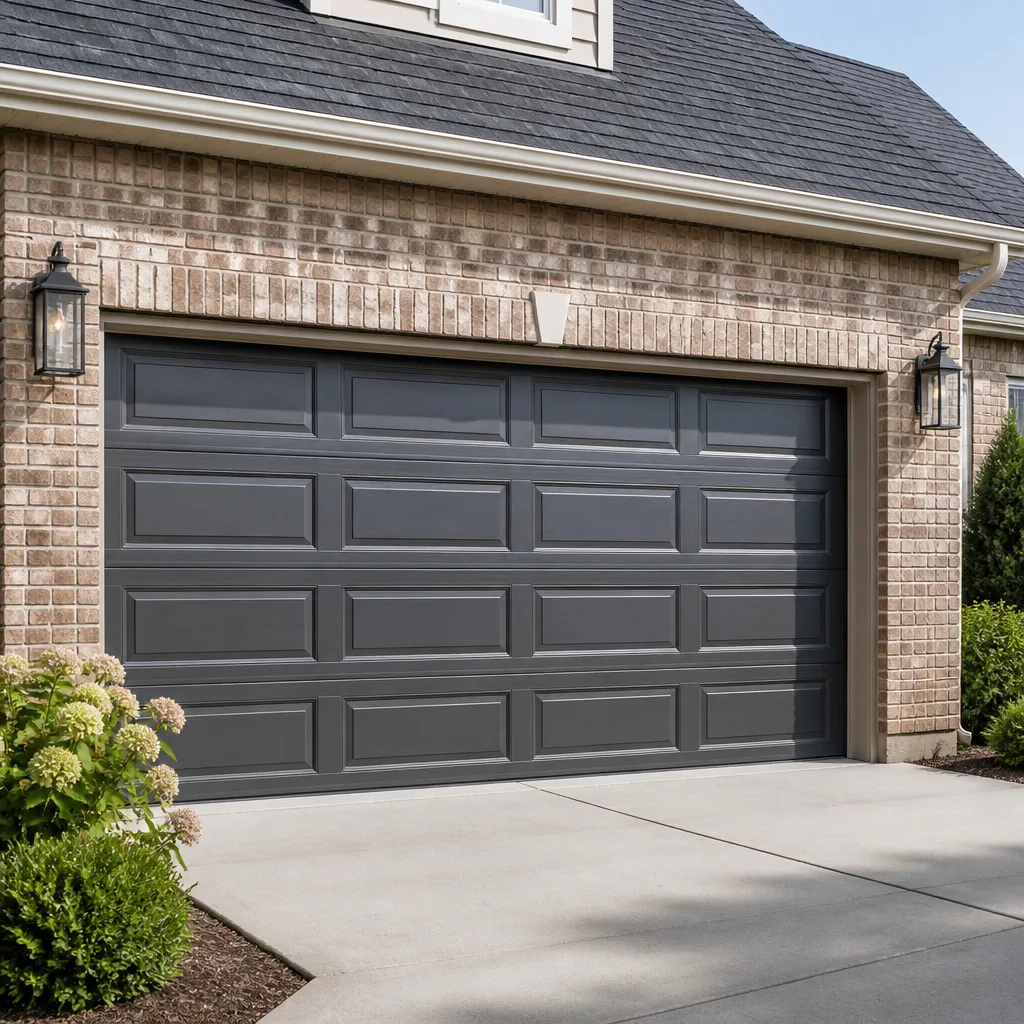 Raised-panel steel
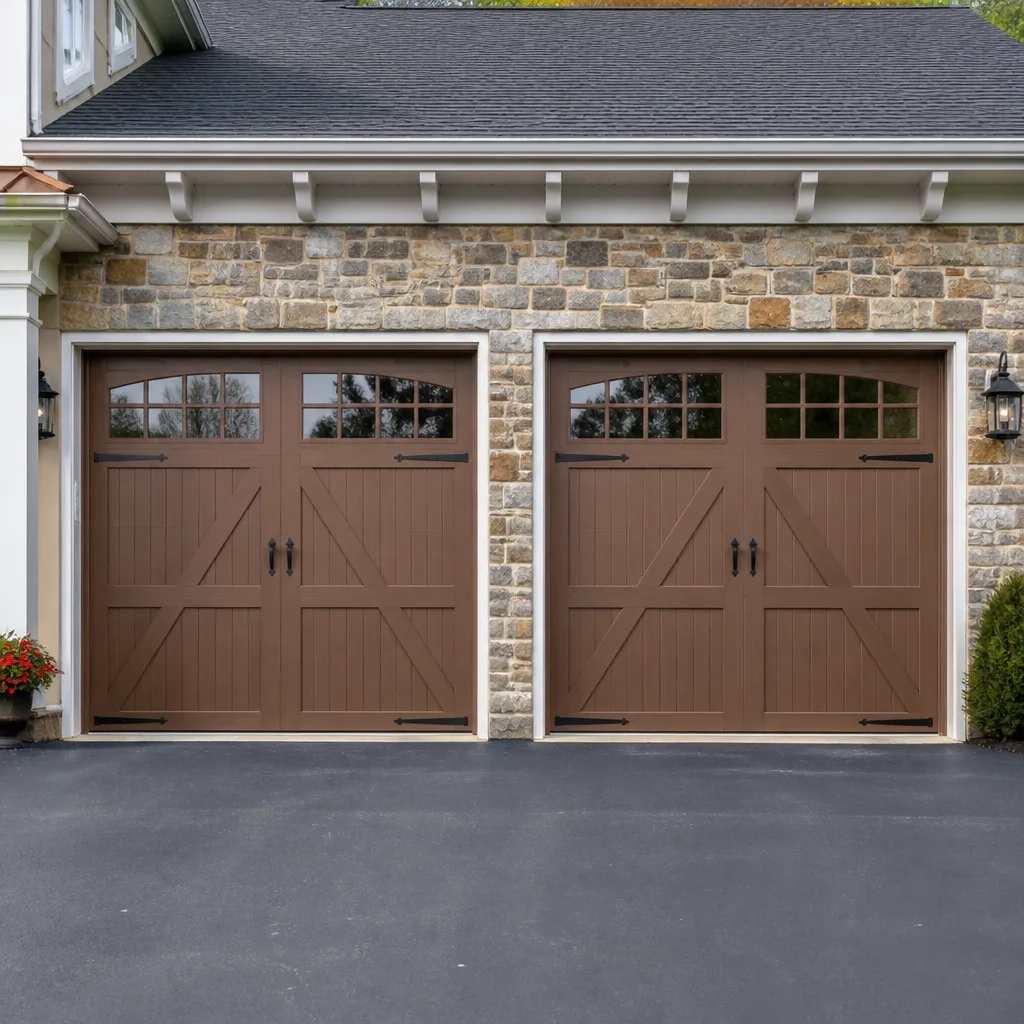 Carriage house
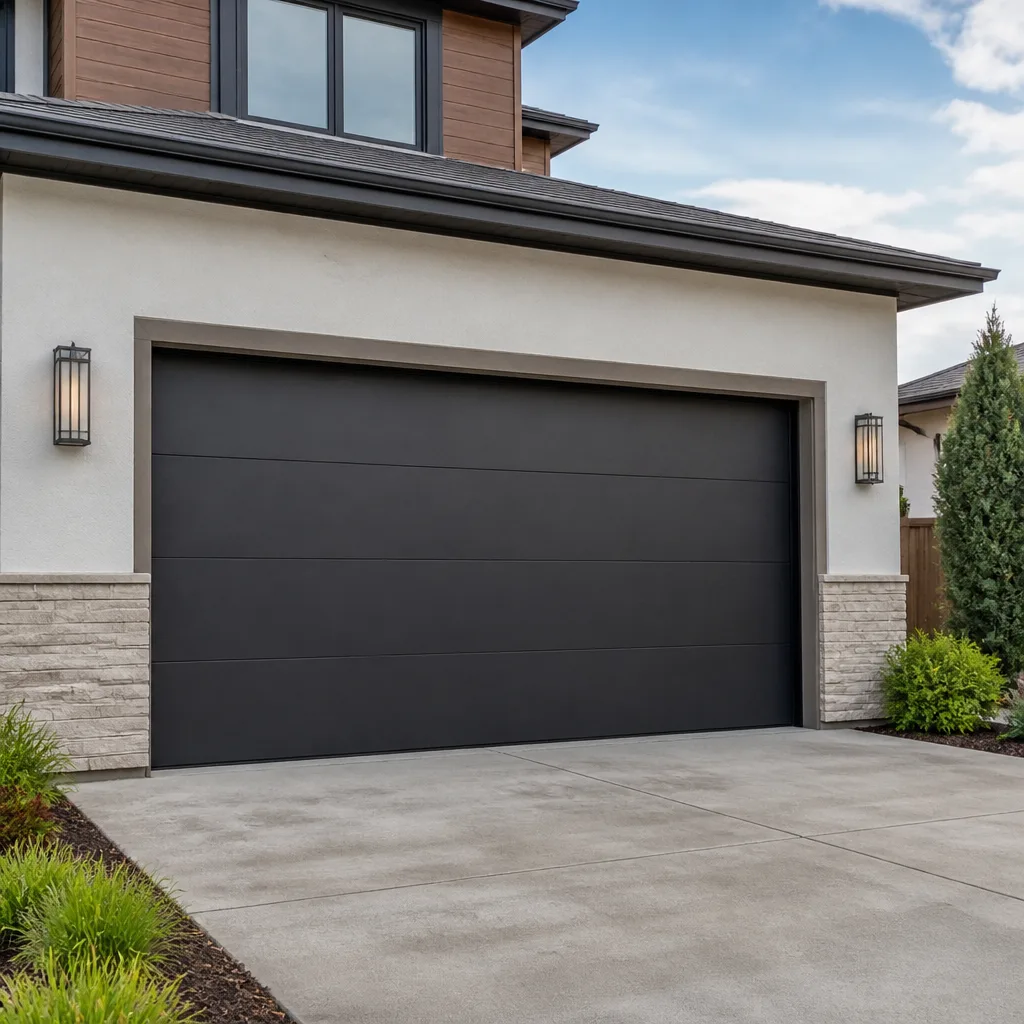 Modern flush
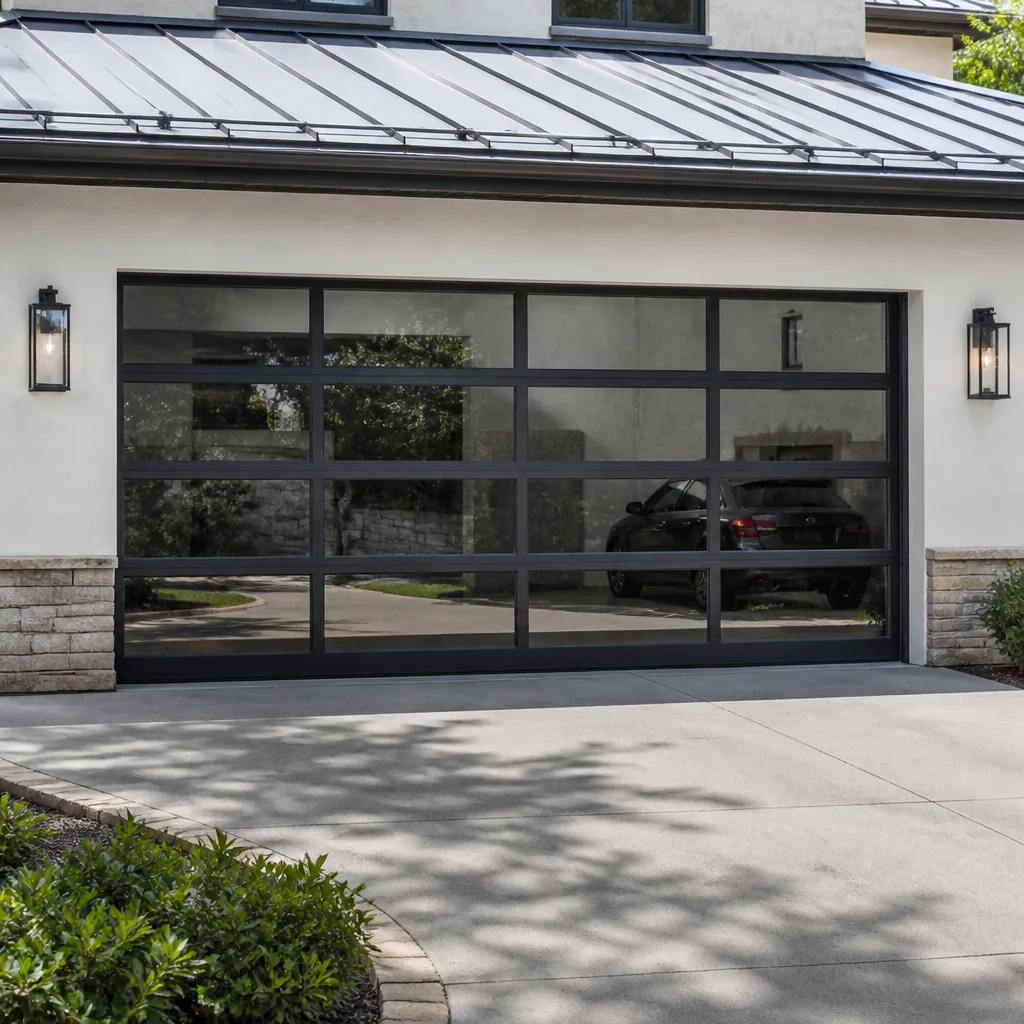 Full-view glass
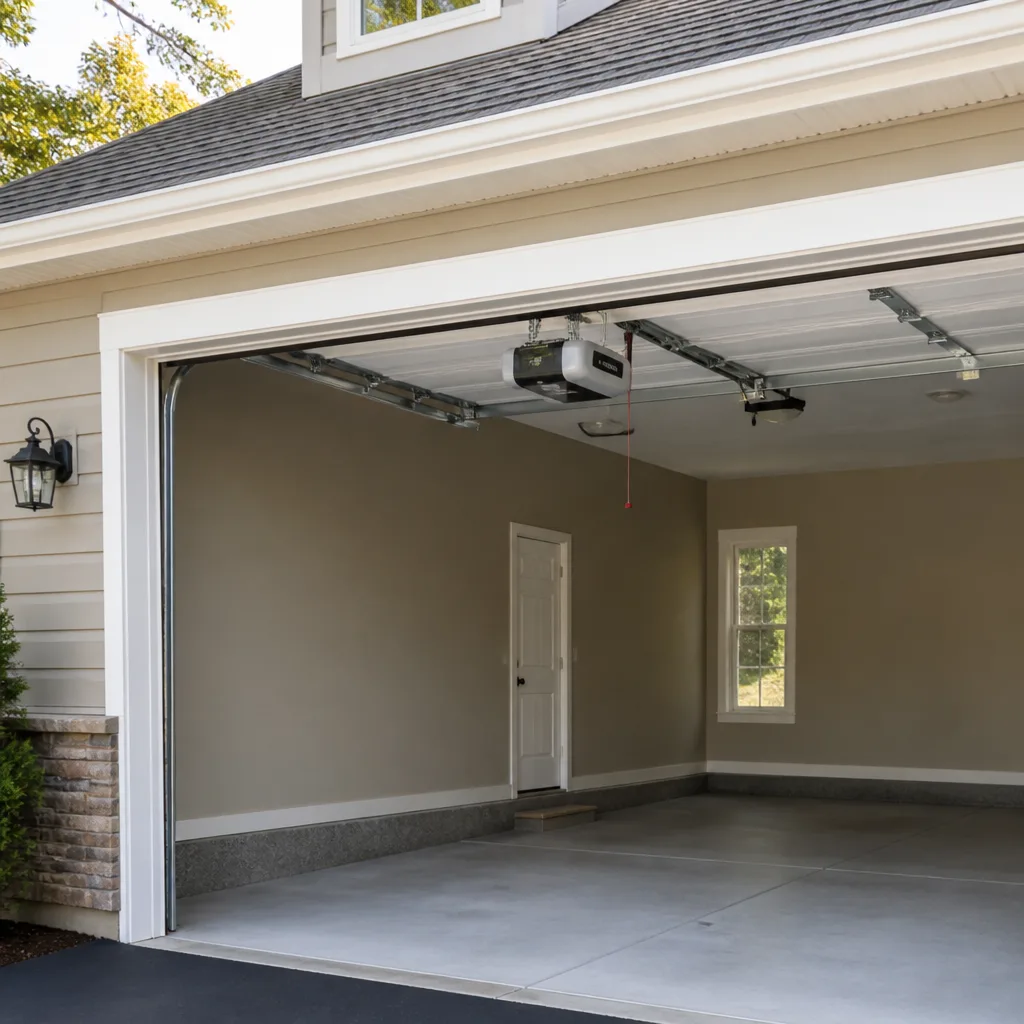 LiftMaster openers
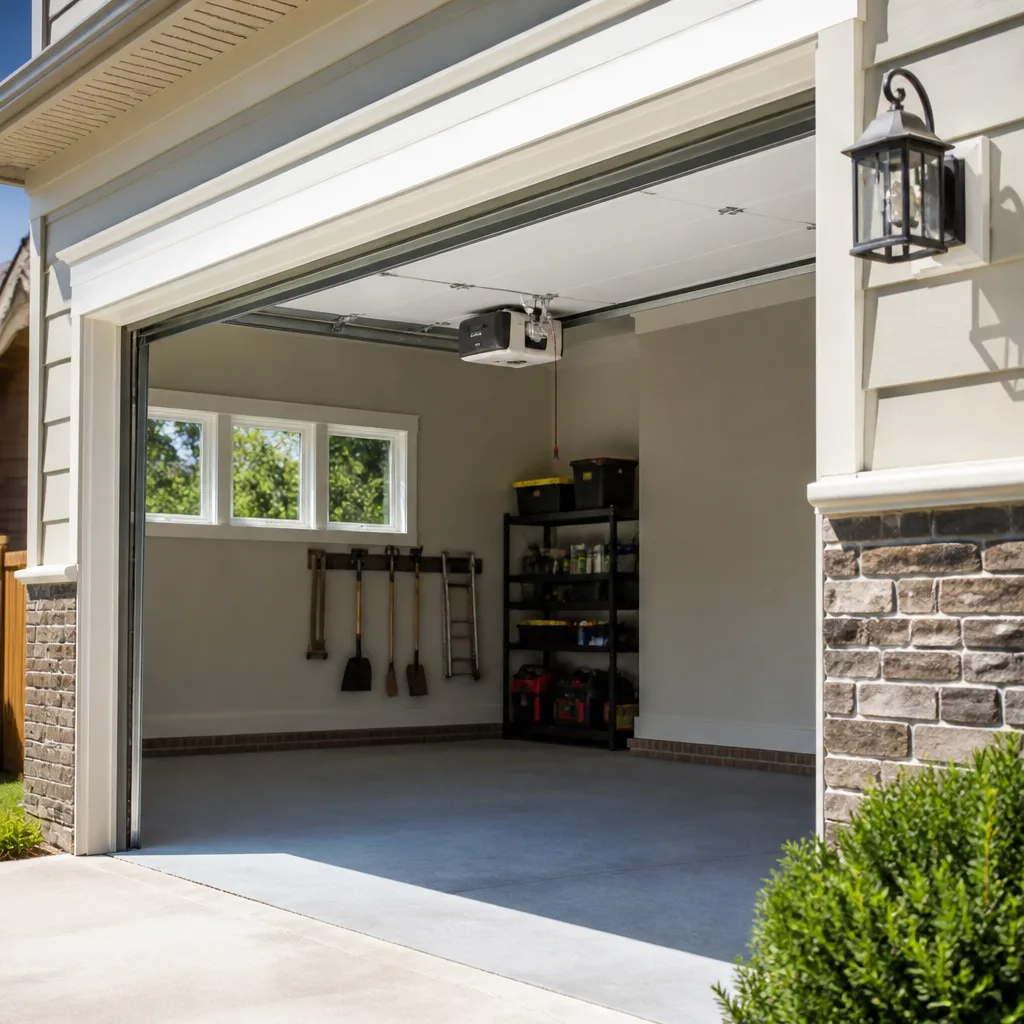 Chamberlain openers
Full 25-point door and opener safety check with every visit - springs, cables, rollers, tracks, and your LiftMaster or Chamberlain opener included
You get a price before we start. It does not change when the pro arrives.
Get your free estimateThe Complete Guide to Garage Doors in Sunrise
Most garage door guides are written for places with four real seasons. Sunrise isn’t one of them. Here, the challenges are 90% humidity, salt-air corrosion moving in from the coast, and building codes that dictate exactly which doors you’re allowed to install. A national buying guide will tell you to worry about ice dams and road salt. That advice is, at best, irrelevant to a Sunrise address, and at worst it’s actively misleading. This guide translates the general into what actually applies here. We’ll cover the Florida Building Code wind-load rules, which materials survive this climate, how HOA approval typically works in Sunrise’s subdivisions, and a decision map for repair versus replacement. You’ll learn what to buy, what to skip, and when to call a pro.
Quick Answer
Choosing a garage door in Sunrise is driven by three local factors: Florida Building Code wind-load requirements (especially in the high-velocity hurricane zone), corrosion resistance in a humid, salt-air environment, and HOA design approval in many Sunrise subdivisions. A door that’s legal and durable here must be rated for wind pressure, made of a material that resists rust, and compliant with community rules before it’s installed. Most decisions come down to whether your current door can be repaired or needs a full replacement.
Styles & brands we work with
- Raised-panel steel
- Carriage house
- Modern flush
- Full-view glass
- LiftMaster openers
- Chamberlain openers
Table of Contents
- How Florida Building Code and Broward County Rules Narrow Your Options
- Which Materials Survive Sunrise’s Hospitality
- HOA Approval in Sunrise: What Neighborhoods Typically Require
- Cosmetic Upgrade vs. Functional Replacement
- Repair vs. Replace vs. Upgrade: A Decision Map
- Openers in a Hot, Humid Climate
- A Sunrise Maintenance Routine That Actually Matters
- What This Kind of Work Costs in Sunrise
How Florida Building Code and Broward County Rules Narrow Your Options
In Sunrise, the garage door is a code-regulated component, not a decorative choice. The Florida Building Code sets minimum wind-load requirements for exterior openings, and Broward County is part of the High-Velocity Hurricane Zone (HVHZ) region, where rules are stricter than in the rest of the state. In practice, this means any door you install or replace must carry a product approval that matches the wind pressure your particular home is rated for. The approval number is part of the installation, not an optional extra.
What does this mean for a homeowner? It means you can’t simply pick a door you like online and have a contractor bolt it on. The door and its track and hardware have to be a tested assembly, and the installer needs to provide the documentation showing it complies. A technician who works in Sunrise regularly will know to look up the required design pressure for your address before recommending a model.
Some practical consequences of the HVHZ rules:
- Doors are rated by design pressure, and not every model sold nationally is available in an HVHZ-compliant version.
- Reinforcement hardware matters. The wind-load rating covers the full assembly, not just the panel.
- Documentation is part of the job. Keep the product approval paperwork with your home records.
- If your home is in a wind-borne debris region, make sure the door’s approval matches the requirements for that specific area.
Because requirements can vary by address and by community, the right first step is to confirm exactly what your home and neighborhood require. Ask your city’s building department about the permitting and product-approval process for a garage door replacement, and ask your HOA for its design rules. We can help you understand what’s typically required in Sunrise, but the final word comes from the code office.
Which Materials Survive Sunrise’s Hospitality
Sunrise’s climate is the quiet factor in every material decision. Two forces are at work. The first is high humidity, which feeds rust on steel and warps wood that isn’t sealed properly. The second is salt air carried inland from the coast, which accelerates corrosion on unprotected metal and dries paint faster than in a drier climate. The material that’s cheapest up front often costs the most over its life. The realistic lifespan difference between a poorly protected steel door and a well-coated aluminum or steel door in Sunrise can be years of usable life, not months.
Here’s how the common choices usually play out locally:
- Steel with a good finish: The most common choice and often the best balance of durability, cost, and appearance. The key is a galvanized or zinc-coated panel with a factory finish, plus periodic maintenance on hinges, rollers, and the bottom edge. Cheaper steel with a thin finish is the one that rusts first in this climate.
- Aluminum: Rust-resistant by nature and a strong fit for coastal humidity, though it dents more easily. A popular choice in Sunrise for that reason.
- Composite or fiberglass: Resists rot and rust and won’t warp the way wood can. Suited to humid climates, but check the HVHZ availability before falling in love with a design.
- Wood: Beautiful but the highest maintenance in this climate. Wood needs repainting or resealing more often in high humidity, and it’s less common in coastal Florida for exactly that reason.
In our experience, the finish on the panel matters more than the base material for rust resistance in Sunrise. A well-finished steel or aluminum door maintained properly will far outlast a premium-sounding door with an unprotected bottom edge.
HOA Approval in Sunrise: What Neighborhoods Typically Require
Sunrise has a high density of planned communities and homeowner associations, and most of them control the look of your garage door. Replacing a door without prior approval is a common and avoidable problem. The typical approval process looks like this:
- Get the HOA’s design guidelines. These usually specify approved colors, panel styles, and sometimes materials for your community.
- Choose a compliant product. Confirm the model meets both the HOA’s design standards and the HVHZ product-approval requirement for your address.
- Submit your request with documentation. Most HOAs want a product spec sheet, a color sample or photo, and the design approval number.
- Wait for written approval before ordering or installing. Never assume approval; get it in writing.
- Keep the approved paperwork with your installation records. It’s useful if you sell the home.
Documentation requirements vary by community, so check with your own HOA first. In our experience serving Sunrise, the homeowners who run into trouble are the ones who ordered a door and then discovered the community’s specified color or style. A brief conversation with the association up front saves weeks.
Cosmetic Upgrade vs. Functional Replacement: Know Which You’re In
Not every door problem needs a new door. The first question is whether you’re dealing with a cosmetic issue, a functional failure, or a structural upgrade need. Getting clear on this saves money and avoids replacing a door that has years of service left.
A cosmetic upgrade is about appearance and curb appeal while the door still works correctly: the panels are solid, the opener lifts smoothly, the springs are sound, and the door is secure. A functional replacement is about a door or system that no longer does its core job safely: a bent track, a cracked panel, a door that’s out of alignment, a motor that’s failing, or hardware that’s at the end of its life.
Then there’s the upgrade driven by code or safety. If your current door predates current HVHZ standards, or its hardware is failing, replacing it may be less a matter of style and more a matter of meeting the code requirements your neighbors’ newer doors already meet. In those cases, the honest answer is that a functional replacement is the right move, even if the door still “works” in the ordinary sense. We help homeowners sort this out by assessing the whole assembly, not just the visible panel.
Repair vs. Replace vs. Upgrade: A Decision Map
Here’s the decision framework we walk Sunrise homeowners through. Start with the door’s age and condition, then look at the type of problem.
- Is the door structurally sound? Check for cracked panels, bent tracks, and rust on the bottom edge. Light rust and worn rollers are repair territory. A bent track or cracked panel usually points toward replacement.
- Is the problem mechanical or cosmetic? A failed spring, opener, or hinge is a repair. A faded finish or outdated style is cosmetic; it never demands a new door on its own.
- How old is the door and opener? Older hardware wears out faster and may not meet current wind-load standards. If the door is older and the opener is also near the end of its life, replacement can be more sensible than repeated repairs.
- Is the door code-compliant? If it isn’t rated for the wind pressure your home requires, replacement or an upgrade may be necessary regardless of how it looks.
- What’s your budget? Set a realistic range before you start, because replacement is a larger investment than repair and should be weighed against the door’s remaining life.
A useful rule of thumb: if the repair costs more than a significant fraction of a new door, and the door is near the end of its expected life, replace. If the door is otherwise solid and the problem is a single component, repair. When the issue is performance under wind load or the safety of the assembly, the upgrade is the responsible choice.
When replacements or major repairs are on the table, our team can help you sort out which path is right. We work with Clopay and Amarr doors and can install a new door that meets HVHZ requirements. For a sudden failure, our garage door repair team is ready to help, and if a spring is involved, our garage door spring repair specialists handle that carefully.
Openers in a Hot, Humid Climate
An opener is the part of the system that homeowners notice last and complain about first. In Sunrise’s heat and humidity, openers face more stress than in a mild climate. The garage, even when it’s not air-conditioned, gets hot, and electronics and motors don’t love sustained heat. A few things follow from that.
- Ventilation helps. An opener mounted in a hot, enclosed space works harder than one in a garage with reasonable airflow.
- Battery backup pays off. When storms knock out power, a battery-backup opener lets you get the car out and the door open. That’s a practical, not a luxury, feature in Florida.
- Brand matters for parts. Openers from LiftMaster, Chamberlain, Genie, and Craftsman are common in Sunrise, and our technicians work on all of them. If your opener is from one of those families, you don’t have to replace the whole system to fix a problem.
- Don’t ignore the warning signs. A door that reverses randomly, a remote that only works up close, or a motor that strains on the way up usually means something needs attention before it fails entirely.
Our garage door opener repair service covers all the major brands, and we can tell you whether a repair or a replacement is the better call for your specific setup. If you’re not sure your opener is supported, just tell us the brand and model number when you call and we’ll confirm.
A Sunrise Maintenance Routine That Actually Matters
The maintenance that matters in Sunrise is not the same as what a northern climate guide recommends. Skip the ice-dam talk. Focus on humidity, salt air, and moving parts. A short seasonal check keeps a door working longer and catches problems before they become expensive.
- Wash the door’s exterior. Rinsing panels periodically removes salt film and dust that speed up corrosion, especially on the bottom edge and hinges.
- Lubricate hinges, rollers, and springs. Use a proper garage-door lubricant, not WD-40, on the moving metal parts. In high humidity, this is the routine that prevents sticking and rust.
- Check the weather seal and bottom edge. These are the first places rust and rot show up. Replace a worn seal before moisture gets into the door’s frame.
- Test the safety reverse. Put an object in the door’s path and confirm the door reverses. This is a safety check, not a repair.
- Look at the springs, but don’t touch them. Garage door springs and cables are under high tension and can cause serious injury. If you see a broken spring or a cable that looks slack or frayed, keep clear and call a trained technician.
- Check the opener’s force and limit settings once a year. An opener that struggles or reverses for no reason is worth a professional look.
If you want a second set of eyes, our team can inspect the whole assembly and tell you what’s due. That’s part of what we do in Sunrise.
What This Kind of Work Costs in Sunrise
Every job is priced by a written estimate before any work starts, and it’s free to get one. The written quote is the price; there are no surprises after the fact. Broadly, here’s how the cost picture breaks down in our area:
- Minor repairs (a hinge, roller, or adjustment) sit at the lower end of the range.
- Spring repair or replacement is a mid-range job; a matched pair of springs is often replaced together.
- Opener repair or replacement is a mid-range project, depending on the system.
- A full door replacement is the largest investment, and the total depends on the door’s size, material, and HVHZ-rated hardware.
The single most important thing to know is that the price is quoted and agreed before work starts. If additional issues turn up once a technician is on site, we tell you before proceeding, so the final invoice matches the estimate you approved. That’s the standard we hold our whole team to.
Common Mistakes to Avoid
- Ordering a door without checking HVHZ product approvals. A door that doesn’t carry the right wind-load approval isn’t a legal, insurable installation in this area. Confirm approval before you buy.
- Skipping the HOA step. Many Sunrise communities have design guidelines for garage doors. Installing first and asking later can mean redoing the job.
- Choosing steel based on price alone. A cheap finish on a steel door rusts quickly in this humidity. Pay for the finish that lasts.
- Replacing the spring without checking the rest of the assembly. A new spring on worn rollers and a bent track just moves the next failure down the line. Replace components in sets where they wear together.
- Ignoring an opener’s warning signs. A remote that only works from a short distance or a door that reverses randomly usually has a fixable cause. Deal with it early.
- Choosing a cosmetic upgrade when the real issue is functional. A new panel look won’t fix a door that doesn’t close securely. Diagnose first, then decide.
- Putting off a door that won’t secure your home. A door that won’t close or is jammed open leaves the garage vulnerable. This is the kind of problem that should be addressed promptly.
See the difference
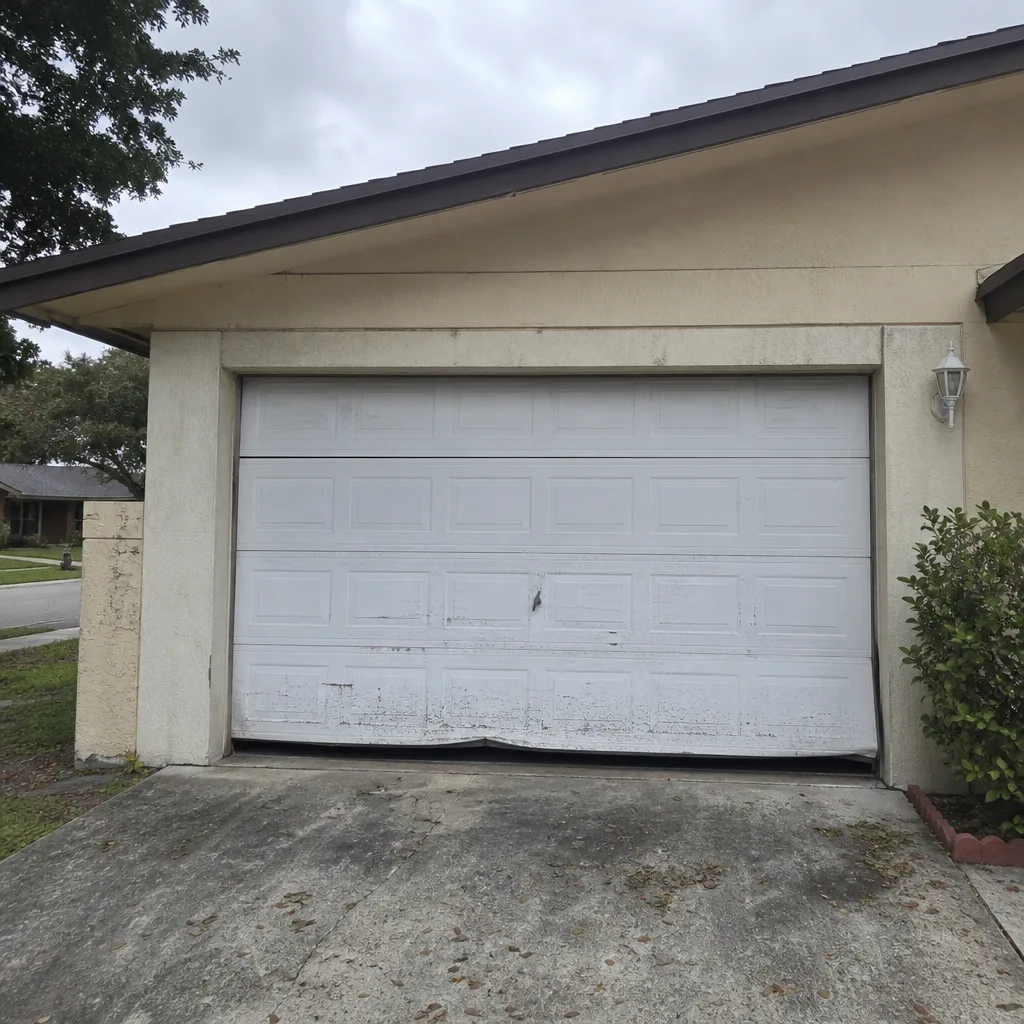 Before
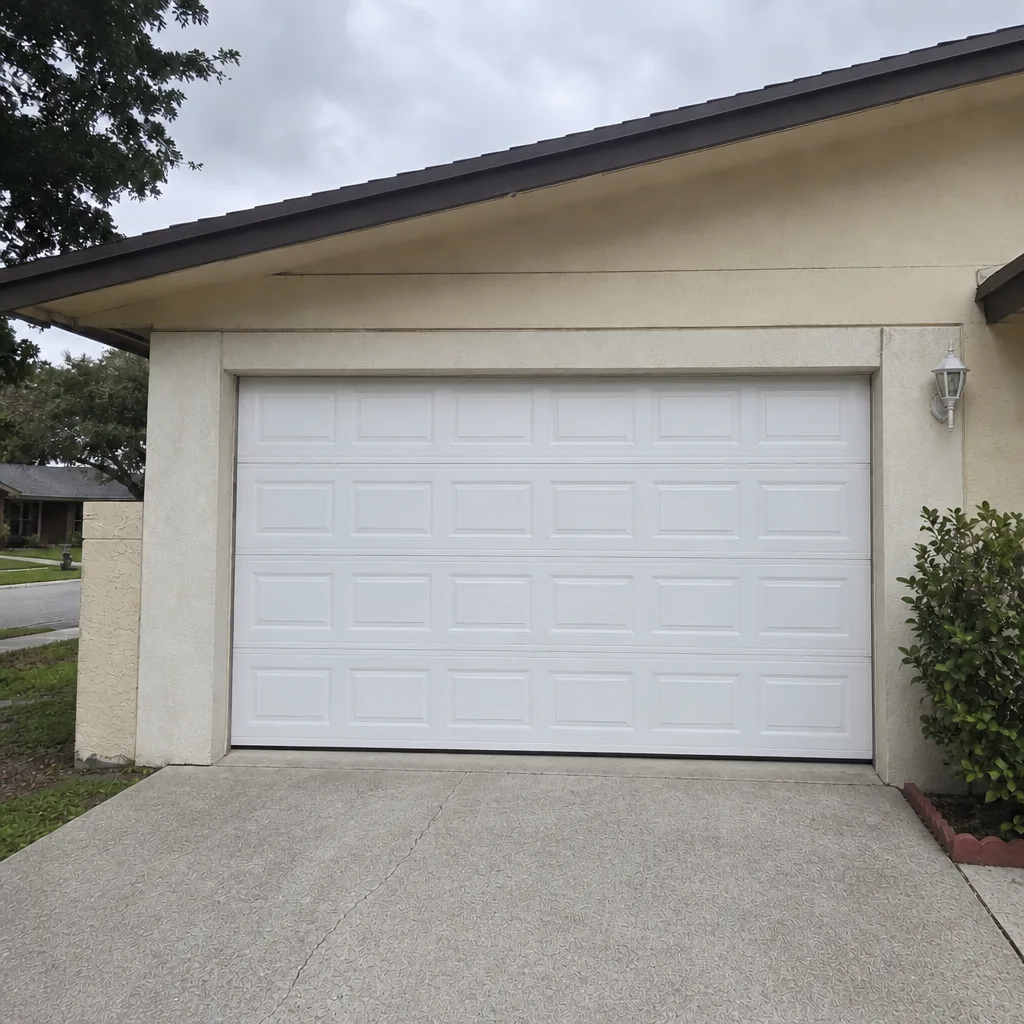 After
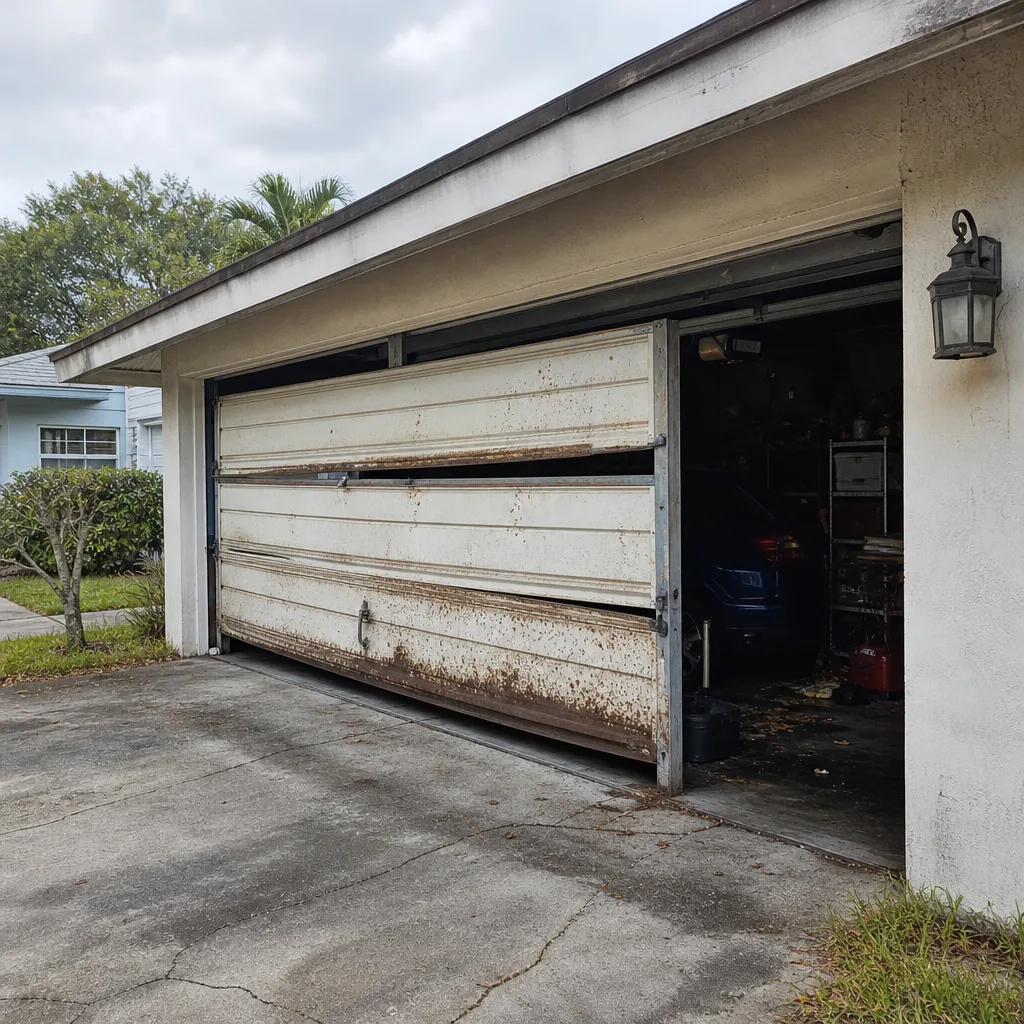 Before
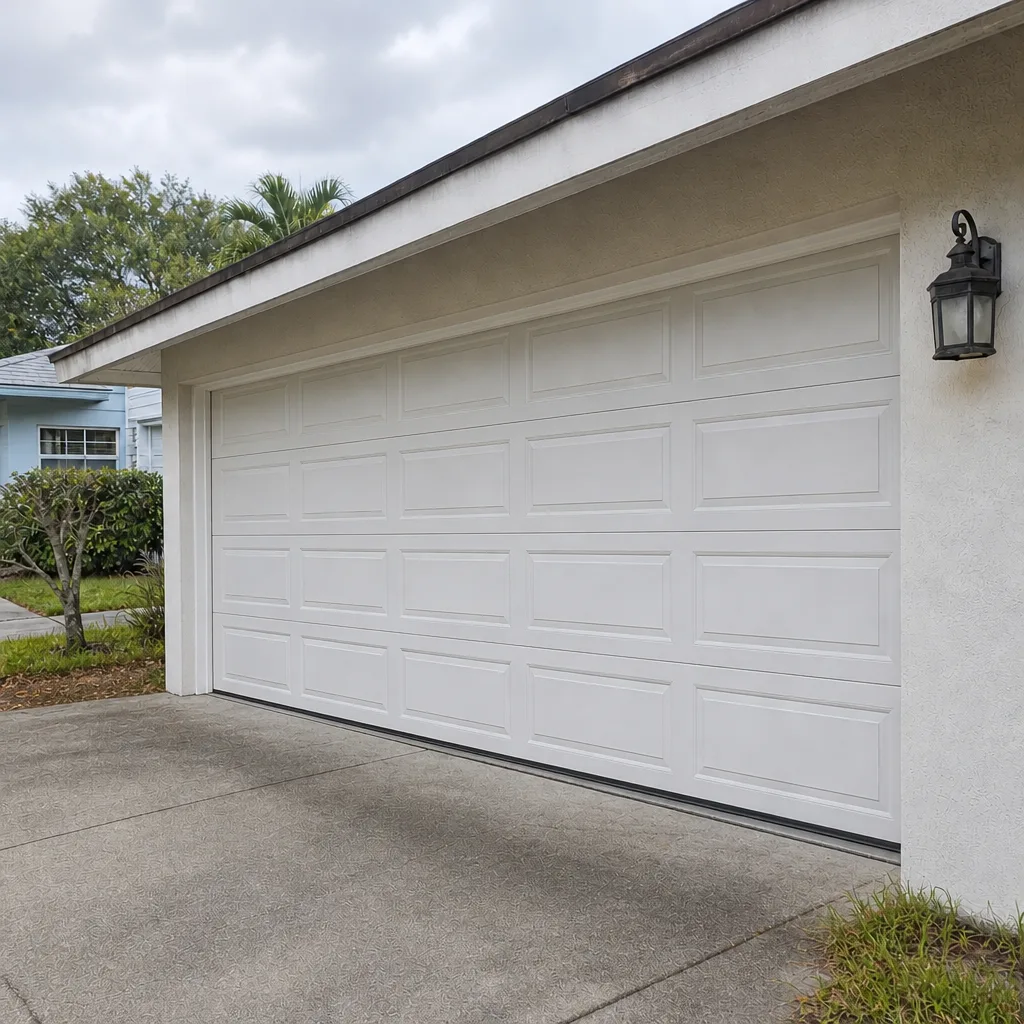 After
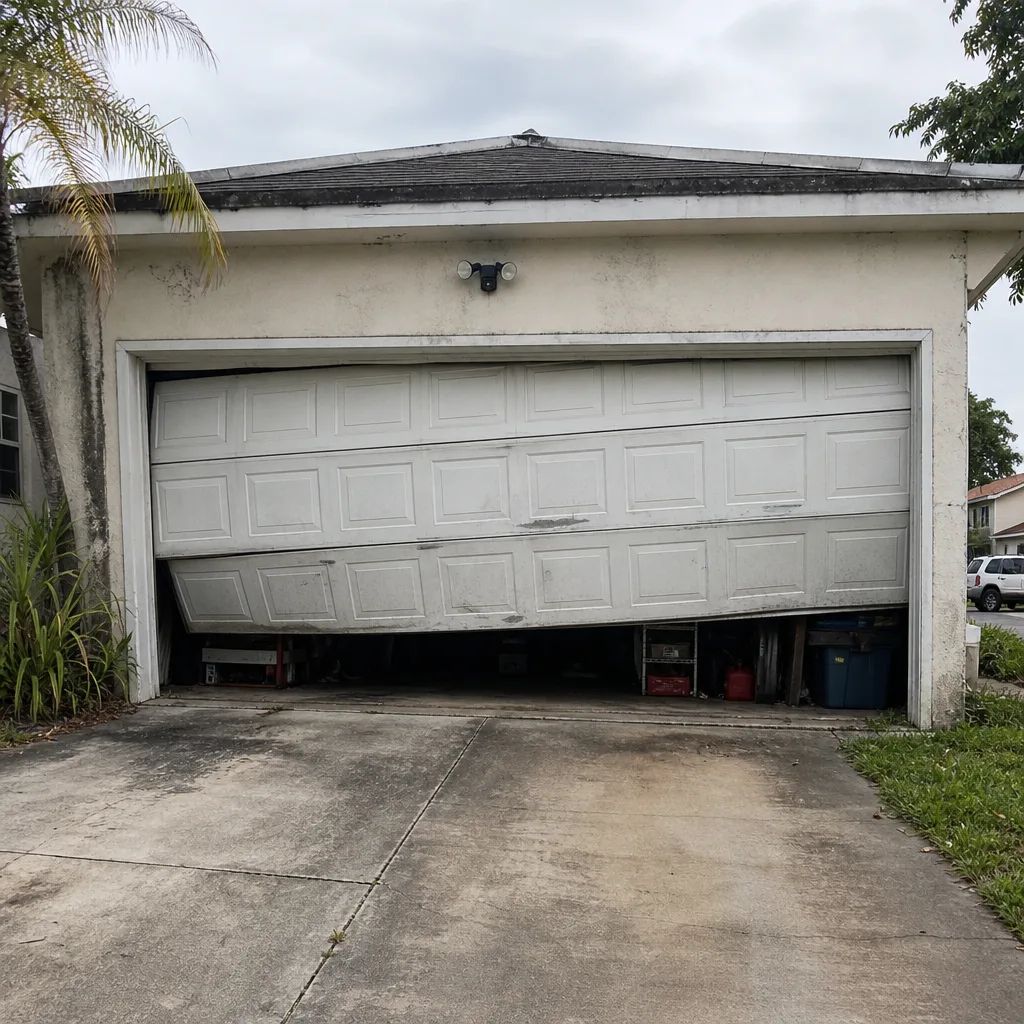 Before
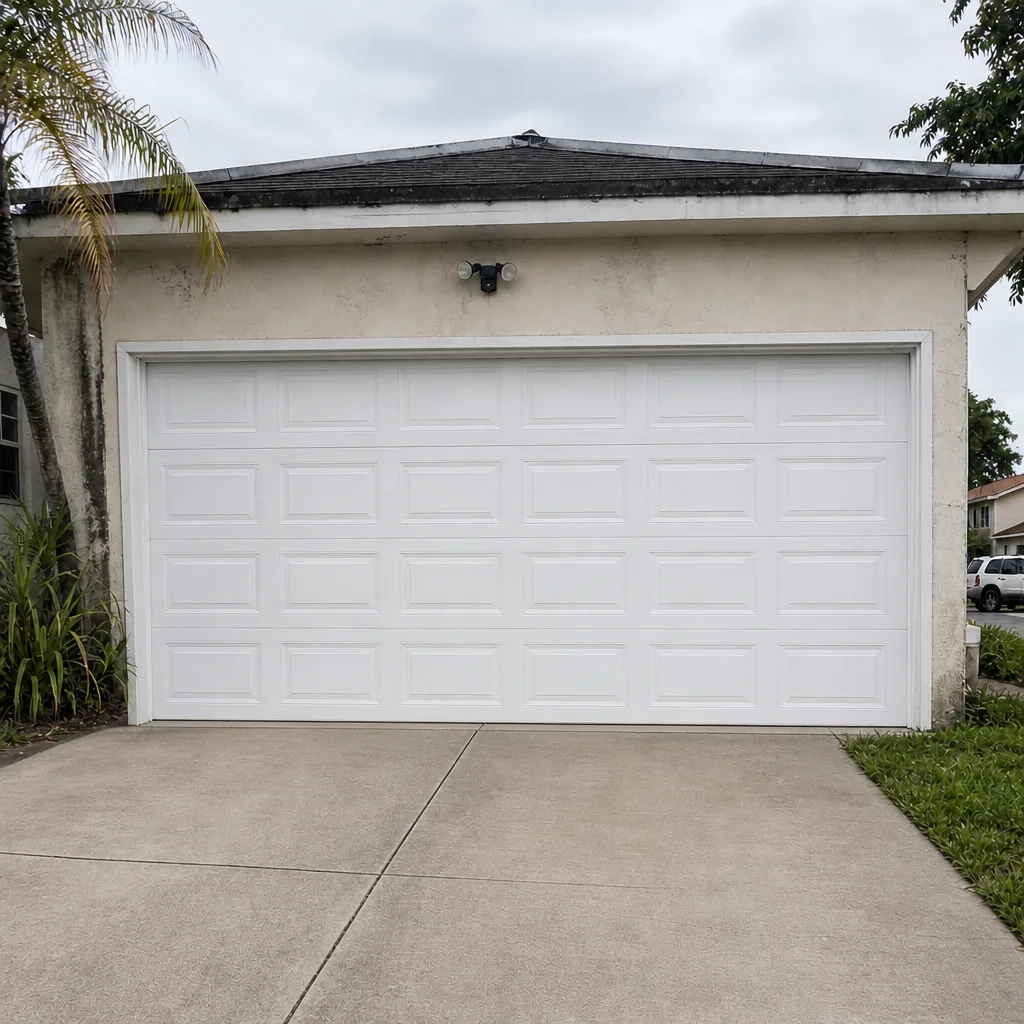 After
When to Call a Professional
Call a professional when a door won’t open or close, when a spring or cable has broken, when you see a bent track or a damaged panel, or when the opener has failed. These are the situations where a trained technician prevents further damage and handles the safety side correctly. Springs and cables are under extreme tension and can cause serious injury, so never attempt to remove or readjust them yourself. A door that’s jammed or off-track is also worth a professional look before you try to force it. If you’re past the point of deciding and need help today, Sunrise Garage Door Repair Co offers free estimates in Sunrise, call (877) 685-2138. We answer 24/7, with fast dispatch from 7am to 7pm, Sunday through Friday.
Frequently Asked Questions
Sunrise is in Broward County, where garage doors must meet High-Velocity Hurricane Zone standards, so a replacement door needs the correct wind-load product approval and is typically installed to code with documentation. The safest path is to confirm with your city’s building department what permitting and product approval your address requires, then use an installer who provides the paperwork. Call (877) 685-2138 for a free estimate on a compliant installation.
A well-finished steel or aluminum door generally lasts longest here, because both resist humidity and salt-air corrosion better than bare or poorly sealed wood. Aluminum is naturally rust-resistant, and steel holds up when it’s galvanized with a solid factory finish. Wood can work but needs more frequent sealing and repainting in this climate. Our team can help you weigh the options for your home, call (877) 685-2138.
Most garage door problems are repairable: a faulty opener, a worn hinge or roller, or a broken spring can usually be fixed without replacing the door. Replacement makes more sense when the door has structural damage, is old and failing repeatedly, or isn’t code-compliant for the wind-load requirements. A diagnostic visit tells you which situation you’re in. Call (877) 685-2138 for a free estimate.
Same-day service is often possible for repair calls in Sunrise. We answer 24/7, and dispatch runs 7am to 7pm, Sunday through Friday, so a call outside dispatch hours is booked into the next opening. Call (877) 685-2138 and we’ll get you scheduled. Estimates are free.
Yes, we service LiftMaster, Chamberlain, Genie, Clopay, Amarr, Wayne Dalton, Craftsman, and Raynor equipment. That covers most of the brands installed in Sunrise homes. If you’re unsure about your model, tell us the brand and model number when you call and we’ll confirm. Call (877) 685-2138 to book a free estimate.
No. The price is quoted and agreed before any work starts, and the written estimate sets the final price. If additional issues come up during the job, we tell you before proceeding, so nothing gets added to the invoice without your approval. Call (877) 685-2138 for a free estimate on your job.
The Bottom Line
The right garage door decision in Sunrise starts with local facts, not national averages. Check wind-load and HVHZ requirements before you buy, pick a material that survives humidity and salt air, clear your HOA’s design review, and diagnose whether you’re facing a repair, a replacement, or an upgrade before spending. On the safety side, leave springs and cables to a trained technician. For everything else, from opener repair to a full door replacement, our team at Sunrise Garage Door Repair Co provides free estimates, a written price before work begins, and work on all eight of the most common brands, backed by technicians with up to 11 years of experience. Call (877) 685-2138 to get started.
Written by the team at Sunrise Garage Door Repair Co.