
Last updated November 22, 2026
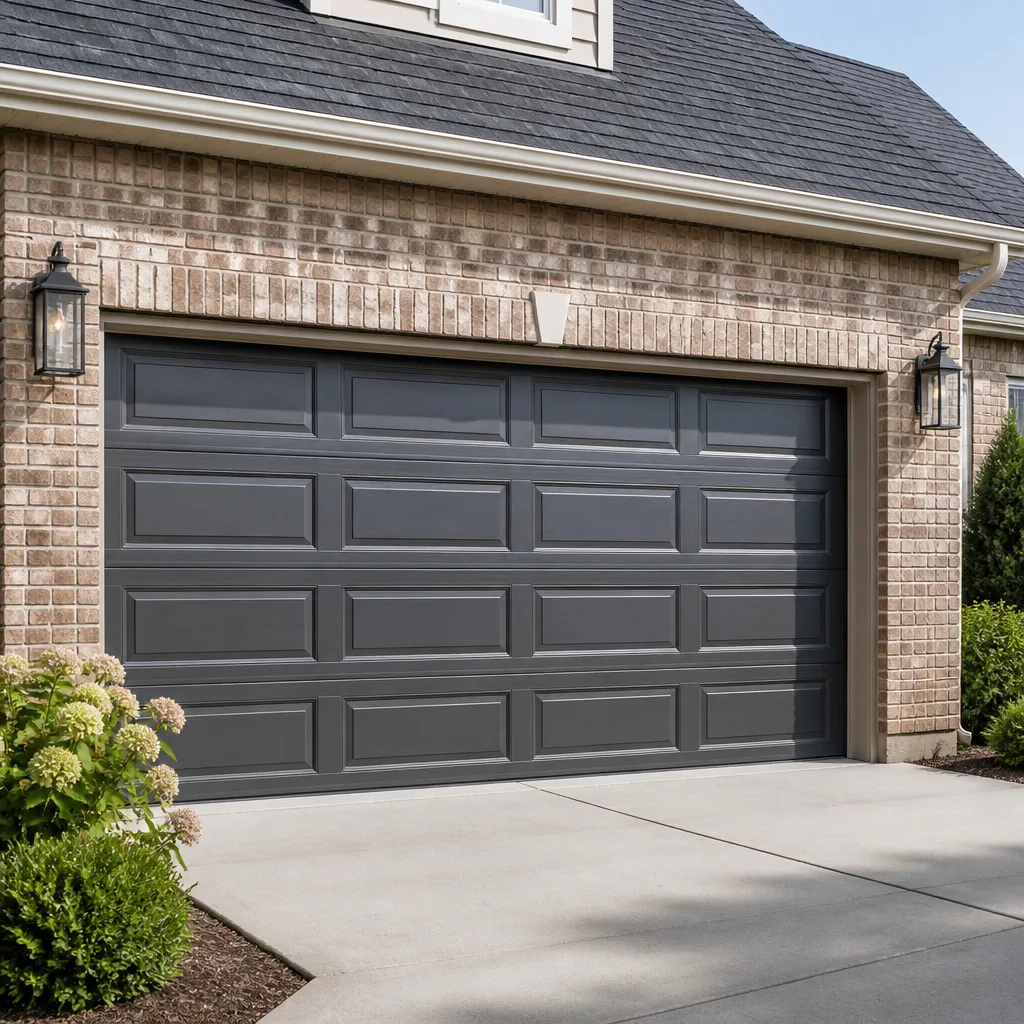 Raised-panel steel
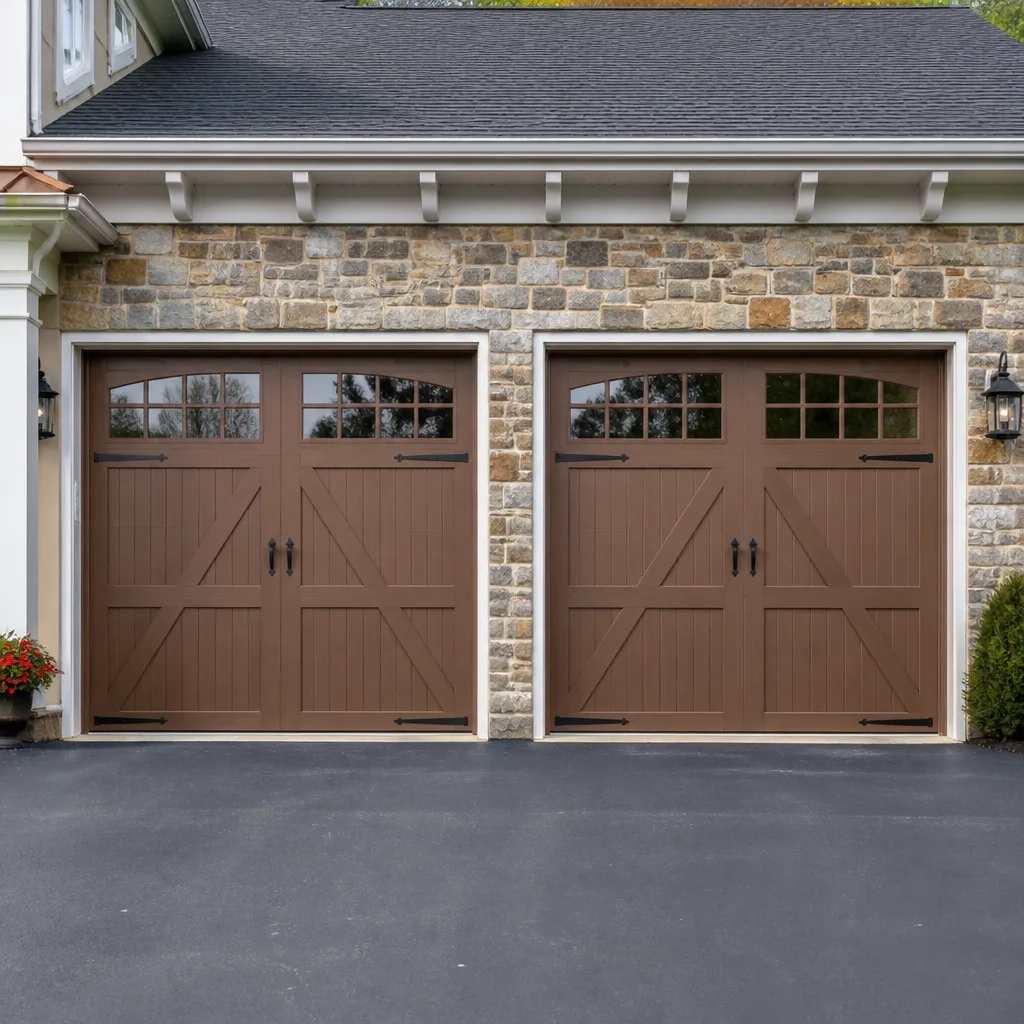 Carriage house
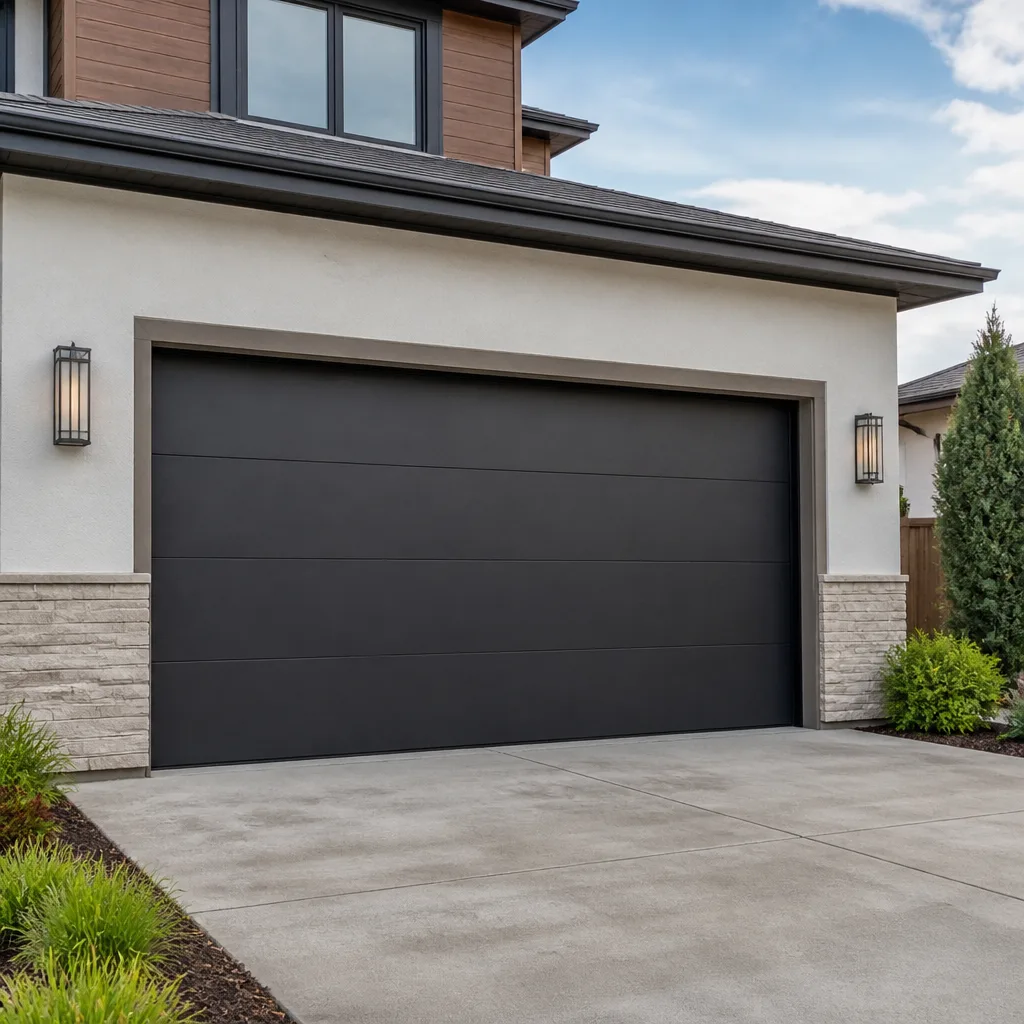 Modern flush
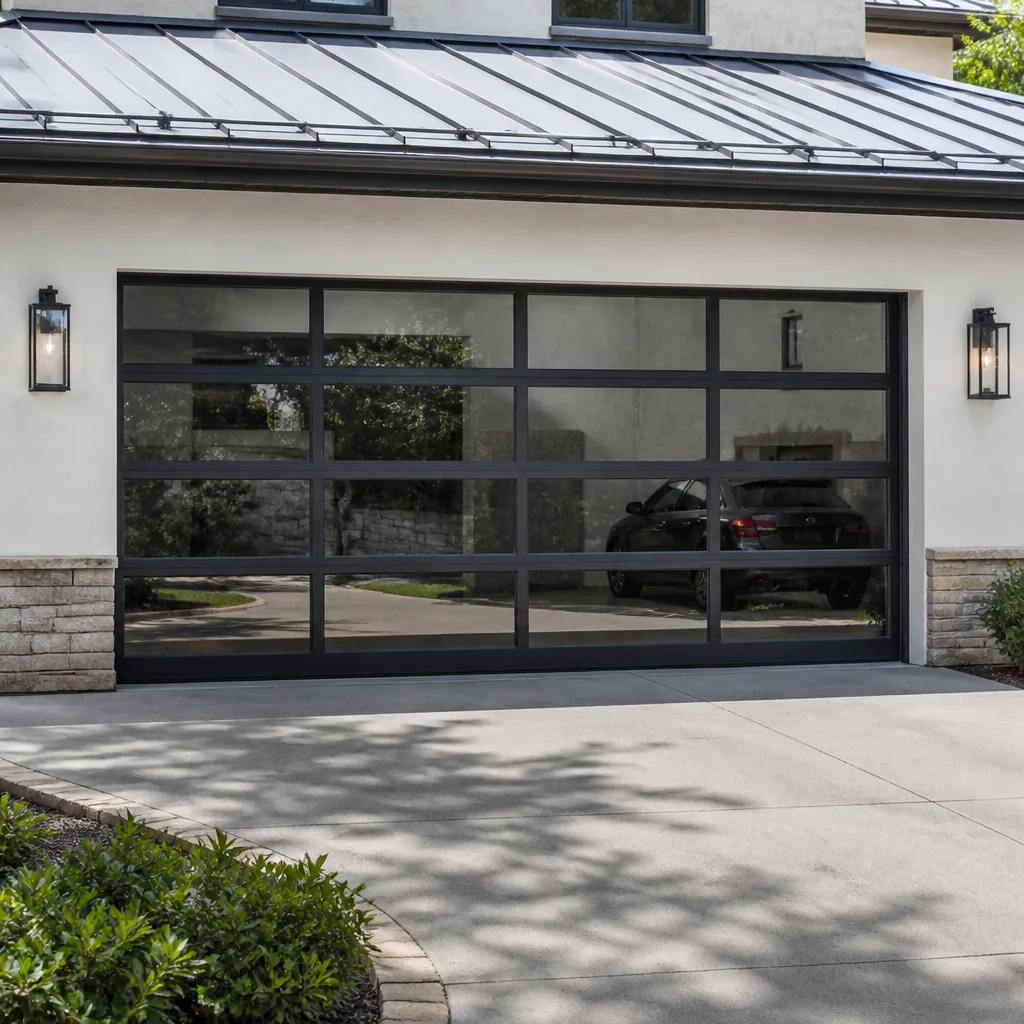 Full-view glass
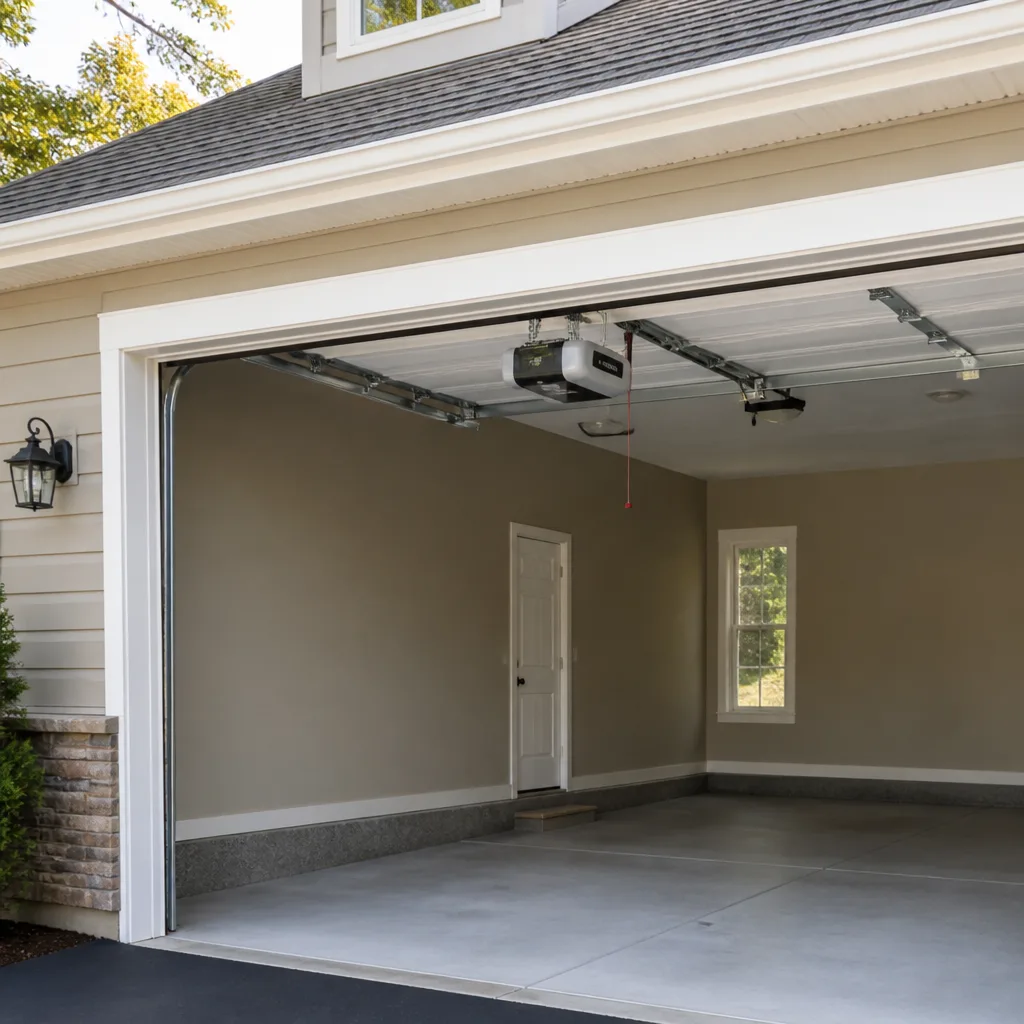 LiftMaster openers
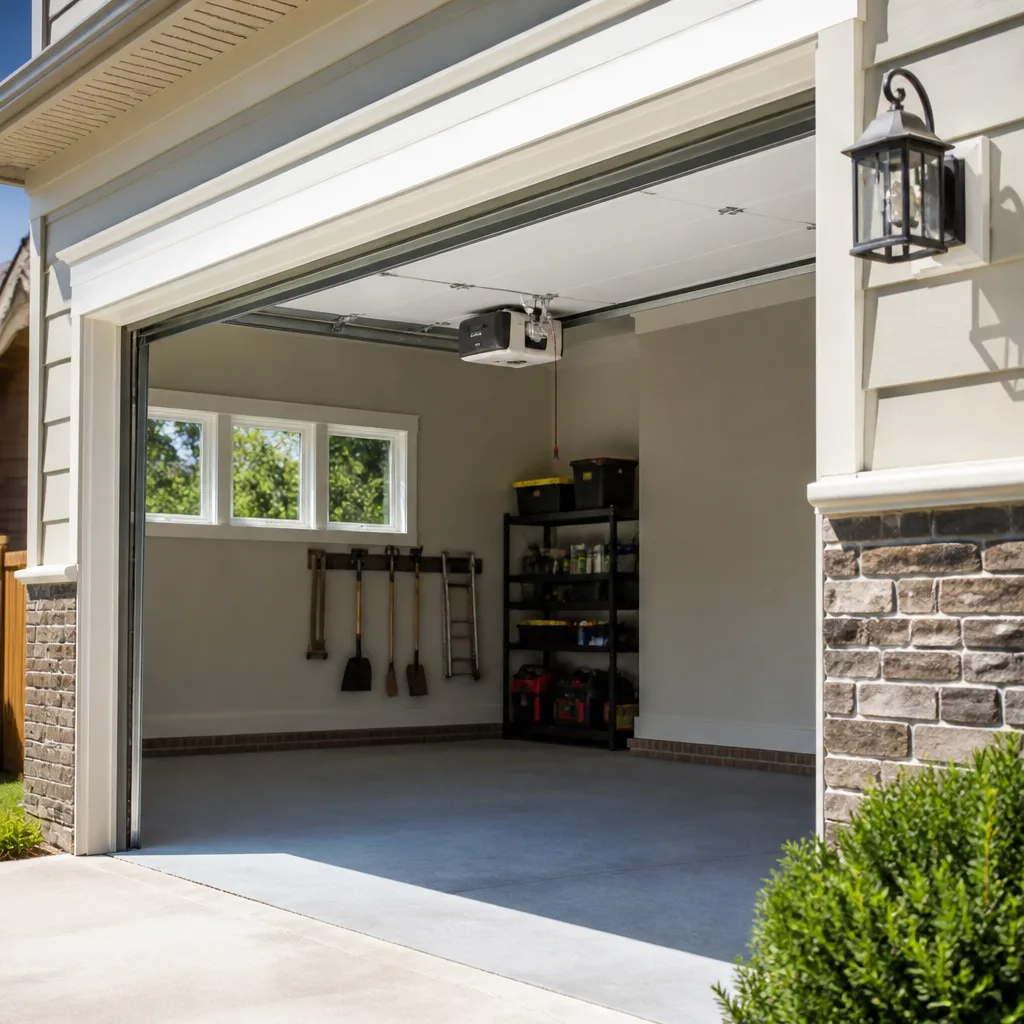 Chamberlain openers
Full 25-point door and opener safety check with every visit - springs, cables, rollers, tracks, and your LiftMaster or Chamberlain opener included
You get a price before we start. It does not change when the pro arrives.
Get your free estimateGarage Door Emergency Preparedness Guide for Sunrise Homes
A garage door failure rarely announces itself. It happens on a Tuesday morning with the car loaded, or at 6pm as the first squall band of a tropical system crosses over Sunrise. The misconception worth killing early: a garage door is a convenience, not infrastructure. In a city where summer storms knock out power and hurricane season runs six months long, that door is the largest opening in your house and the one piece of equipment you can’t easily replace mid-emergency. This guide covers what to do before, during, and after a garage door emergency in Sunrise: how your manual release actually works, what to check before a storm and after one, and how to triage a damaged door so you call the right service first.
Quick Answer
Garage door emergency preparedness in Sunrise comes down to three things: knowing how to use your manual release correctly (and why it can drop the door if you pull it wrong), having a battery backup opener if your household loses power often, and knowing the five checks to run on a storm-damaged door before you touch the opener. If you’re already mid-emergency, call (877) 685-2138. We answer 24/7. Fast dispatch from 7am to 7pm, Sunday through Friday.
Styles & brands we work with
- Raised-panel steel
- Carriage house
- Modern flush
- Full-view glass
- LiftMaster openers
- Chamberlain openers
Table of Contents
- How to Use Your Manual Release Without Dropping the Door
- Pre-Storm Protocol: Bracing, Wind-Load Ratings, and What Not to Do
- Battery Backup Openers and Power Outages in Sunrise
- Post-Storm Damage Assessment: Five Checks Before You Operate the Door
- Who to Call and In What Order: Triage for a Storm-Damaged Door
- Springs: The Part You Should Never Inspect by Hand
- Routine Preparedness: A Checklist for Sunrise Homeowners
How to Use Your Manual Release Without Dropping the Door
Every residential garage door with an opener has a manual release: usually a red cord hanging from the trolley carriage on the rail above your car. In an outage, it’s how you get the door open. It’s also the part people get wrong.
Here’s the scenario that catches people. You pull the cord while the door is fully closed and the springs are under tension. The trolley disconnects, the spring tension is released, and the door drops hard. If someone is standing under it, that’s an injury. If you’re not expecting a heavy panel to fall, you’ll struggle to hold it. The door itself may not be the issue. The issue is you pulled the release while the springs were loaded.
Here’s the correct order, and it takes about 90 seconds to learn:
- Before you pull anything, know your door type. A standard sectional door with torsion or extension springs is what most Sunrise homes have. A one-piece tilt door behaves differently. If you’re not sure which you have, don’t guess.
- Test the door’s balance while the opener is still engaged. Lift the door by hand a few inches if you can reach the bottom section safely. If it feels heavy or won’t stay put, the springs may be weak or broken. Stop here and call.
- With the door fully closed and the opener disconnected, lift the door by hand. If it lifts smoothly and stays open several inches, the springs are working. Now pull the release cord.
- Lift the door the rest of the way and prop it open if you need to keep it open. Never leave a manually opened door unattended if you can’t hold it.
- To re-engage, close the door completely, then pull the cord again. Run the opener one cycle to confirm the trolley reconnected.
The other emergency scenario: the door won’t open at all because the opener failed, but power is fine. That’s usually a disconnect between the trolley and the carrier. Call us and we’ll walk you through it or send a technician. Our garage door repair service handles both.
If the door feels stuck or the springs make a loud snap, don’t force it. Springs under tension are the single most dangerous part of a residential garage door. We go into that later in this guide.
Pre-Storm Protocol: Bracing, Wind-Load Ratings, and What Not to Do
When a named storm is forecast for South Florida, the garage door is a wind-load issue. If the door fails during high wind, the pressure equalizes inside the house, and the roof and walls become vulnerable. This is why your garage door’s wind-load rating matters more than most people realize.
Here’s what to verify and what to skip.
Check your door’s wind-load certification
Most residential garage doors installed in Florida in the last couple of decades carry a wind-load label on the back of a panel or on a plate near the bottom section. Look for the design pressure rating. If you can’t find one, that doesn’t mean your door will fail, but it does mean you should have it inspected before storm season. Our technicians can read the label for you and tell you what it means.
Add horizontal bracing if your door doesn’t have it
Many older doors, especially Wayne Dalton and Craftsman models common in Sunrise subdivisions, ship from the factory without horizontal bracing. Horizontal bracing is a set of steel bars or struts that reinforce the panels against wind pressure. If your door wasn’t built for high-wind zones, bracing is the single most useful pre-storm upgrade. It’s not something to eyebolt on yourself. The panels need to be reinforced at specific points without compromising the door’s balance.
Don’t tape the panels
Taping glass and door panels is a holdover from before impact-rated products were common. Tape doesn’t hold a panel together under wind load, and it leaves residue on the finish. If your panels are rated, trust the rating. If they aren’t, tape won’t change that.
Test the door’s balance before the storm, not during it
Open and close the door by hand once. If it feels stiff, binds on one side, or won’t stay open, you have a problem that will get worse under stress. Get it looked at before a named storm. Our garage door spring repair service is built around exactly this kind of pre-storm inspection, and it’s one of the reasons we exist.
One more thing: if you’re in a Sunrise neighborhood with HOA rules about door appearance, check whether bracing or a wind-load upgrade needs approval. It’s a small step that saves a headache later.
Battery Backup Openers and Power Outages in Sunrise
Sunrise doesn’t get a lot of power outages compared to some parts of the state, but summer thunderstorms do knock out lines, and a long outage during a storm means your opener is dead until the grid comes back. A battery backup opener solves that. It runs the door on a rechargeable battery for a limited number of cycles during an outage.
If you’re shopping for one, here’s what matters in this climate:
- Battery chemistry rated for heat and humidity. South Florida garages get hot. A sealed lead-acid battery that’s rated for high ambient temperatures will last longer than a standard unit. Ask what the backup’s temperature rating is.
- Cycle capacity during an outage. Some units give you a handful of openings; better ones give you more. Get the number from the spec sheet, not the sales pitch.
- Brand compatibility. If you’re staying with your existing opener brand, check that the backup works with it. We work on LiftMaster, Chamberlain, Genie, Clopay, Amarr, Wayne Dalton, Craftsman, and Raynor, so we’re familiar with the backup options across all eight.
- Charging status indicator. A backup you can’t monitor is a backup you don’t have. Look for a unit with a visible charge indicator.
- Installation done right. A battery backup wired into a mains circuit is not a project for a homeowner with a screwdriver and a YouTube tab. It needs to be installed so it doesn’t create a hazard.
If your current opener is older and doesn’t support battery backup, replacing it is a reasonable pre-season investment. Our garage door opener repair service covers repair and replacement, and we’ll tell you honestly whether yours is worth keeping or swapping.
Post-Storm Damage Assessment: Five Checks Before You Operate the Door
After a storm passes, resist the urge to hit the opener button and see if everything still works. A door that looks fine can hide damage that gets worse the moment you cycle it. Run these five checks first.
- Look at the panels from the outside. Any buckling, denting, or separation at the seams is a sign the door took impact or wind load. A panel that’s bent won’t track properly, and forcing it can bend the track too.
- Check the tracks. Run a hand along the horizontal and vertical tracks (no fingers inside the channel). Tracks that are bowed outward, separated from the wall, or out of parallel usually mean the door shifted. Don’t run the opener until that’s assessed.
- Inspect the springs and cables from a distance. Look for a visible gap in a torsion spring, hanging cable, or cable that’s off its drum. Do not touch these. A broken spring or slack cable can snap when disturbed.
- Test the door’s manual balance. With the opener disconnected, lift the door a few inches. If it’s heavy, binds, or won’t stay up, something is broken. Stop and call.
- Check the safety reverse. If the door passes all four checks above, run it once and verify the safety reverse works. Place a small object in the door’s path and close it. If the door doesn’t reverse, the opener’s sensors or logic board may have taken water or a surge.
“Looks fine” after a storm can hide bent hinges, a slightly warped panel, or a spring that’s lost a coil. Those turn into bigger problems when you cycle the door a dozen times. When in doubt, have a technician look before you use it. Our team can assess a post-storm door quickly and tell you whether it’s safe to operate.
Who to Call and In What Order: Triage for a Storm-Damaged Door
When a storm has knocked out several doors on your block, everyone calls at once. Knowing what’s actually wrong and which service you need puts you at the front of the right queue instead of waiting on the wrong one.
Here’s how we triage a storm-damaged door.
Symptom: the door won’t open or close but the motor runs
That’s usually an opener issue: a stripped gear, a failed capacitor, or a trolley that’s slipped off the carrier. This is garage door opener repair territory. If your door has a battery backup and the battery is still charged, the opener may work even without power. If not, it’s a repair call.
Symptom: the door is visibly bent or a panel is separated
That’s a panel replacement. Bracing won’t help a bent panel; it needs to come out. Panel damage often comes with track damage, so the technician should check both.
Symptom: the door won’t track straight, or it pulls to one side
Most likely a bent track or a roller out of its channel. Don’t force it. Running the opener with a bent track can bend more of it.
Symptom: the door is stuck closed and feels very heavy
That points to a broken spring. Spring repair is its own service, and it needs to be handled carefully. If the spring is visibly broken, call for spring service specifically. If you’re not sure, our team will tell you on the phone. Our Sunrise Garage Door Repair Co page lists the full range of services we handle, from emergency response through installation.
Call in this order:
- Security first. If the door is open and won’t close, secure the opening as best you can and call us. A door that won’t close is an open invitation.
- Spring or opener? Listen to the motor. If it hums but nothing moves, it’s the opener. If the door feels heavy when you try to lift it, it’s the spring.
- Panel or track? Look for visible damage before you operate anything. Bent panels and bow tracks usually go together.
- Call and describe it. Tell the operator what you see. That gets you to the right technician faster than “the door is broken.”
Springs: The Part You Should Never Inspect by Hand
Garage door springs hold a lot of stored energy, and they release it all at once if handled wrong. That’s why spring repair is one of the few areas where we tell homeowners not to touch the hardware. We’re not being dramatic. A torsion spring under tension, or an extension spring that’s stretched, can cause serious injury in a fraction of a second. Trained technicians use specific winding bars and follow a careful procedure. There’s no safe shortcut.
What you can do is recognize a spring problem early:
- A visible gap in a torsion spring or a coil that’s stretched apart.
- A loud snap followed by the door feeling very heavy when you lift it by hand.
- A door that opens about a foot and then stops.
- A cable that’s hanging loose on one side.
If any of those show up, stop using the door and call for spring service. Our garage door spring repair service is one of our core offerings for exactly this reason. We’re not a general handyman service that happens to fix doors. We specialize in this work.
A couple of things homeowners ask us about springs after a storm. First, spring failure isn’t always storm-related. If your door is old and the spring is original, a storm may just be when it finally gives out. Second, a spring that’s replaced should be matched to the door’s weight. Putting a heavier or lighter spring on the wrong door shortens the life of the door and the opener.
We work on all the major opener and door brands, including LiftMaster, Chamberlain, Genie, Clopay, Amarr, Wayne Dalton, Craftsman, and Raynor. If your door is a brand we service, we can tell you the right spring spec for your model.
Routine Preparedness: A Checklist for Sunrise Homeowners
The best time to prepare is before storm season starts. Here’s what we recommend you check on your door, and how often.
Once a month
- Open and close the door by hand with the opener disconnected. It should feel the same as it did last month. If it gets heavier, the springs are weakening.
- Test the safety reverse. The door should reverse when it hits a small object.
- Look at the tracks from the ground. If they look bowed or the door is pulling to one side, call for a check.
Before storm season (early summer)
- Look for the wind-load label on your door. If you can’t find it, have the door inspected.
- Check whether your door has horizontal bracing. If not, ask about adding it.
- Confirm your battery backup is charged and the indicator shows it.
- Test the manual release. Know where the cord is and how to use it.
- Have the door’s balance and spring tension checked by a technician once a year.
Anytime
- Keep the area in front of the door clear of bikes, storage bins, and anything else that could block the safety sensors.
- Don’t store anything hanging from the door’s track. That’s a weight the door isn’t designed for.
If you’re not sure how to check the balance yourself, a free estimate is a good excuse to have a technician look at the door and tell you what needs attention. Our technicians have up to 11 years of experience, and we’ll tell you what’s worth doing and what can wait.
Common Mistakes to Avoid
- Pulling the manual release while the door is under load. If the springs are tensioned and you pull the release, the door drops. Test the door’s balance first, then pull.
- Taping the panels before a storm. Tape doesn’t reinforce a door panel and leaves residue. Trust your door’s wind-load rating or brace it properly.
- Forcing a door that’s stuck on a bent track. Running the opener on a bent track bends more of the track. Stop and have it looked at.
- Assuming a storm caused the spring failure. A tired spring often gives out during a storm because the storm is the first real stress it’s seen. It still needs a proper replacement matched to the door.
- Skipping the manual release test. The time to learn your manual release isn’t during an outage. Test it before you need it.
- Leaving the door closed for storm season without checking balance. A door that’s hard to lift by hand is a door that’s likely to fail its opener or its spring under pressure.
- Calling any handyman who says they “do garage doors.” Garage door service is a specialized trade. A generalist may get it running, but they won’t know the right part specs for your brand or how to safely handle the springs.
See the difference
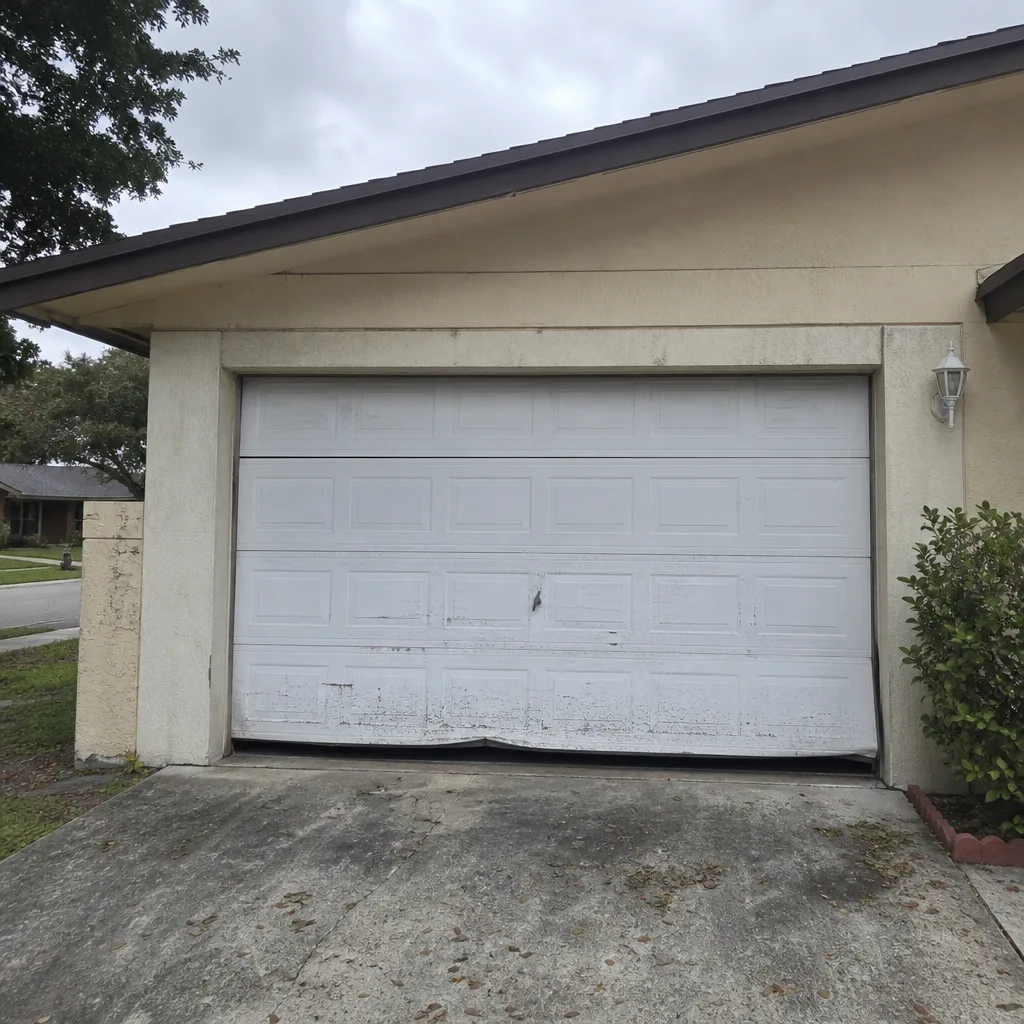 Before
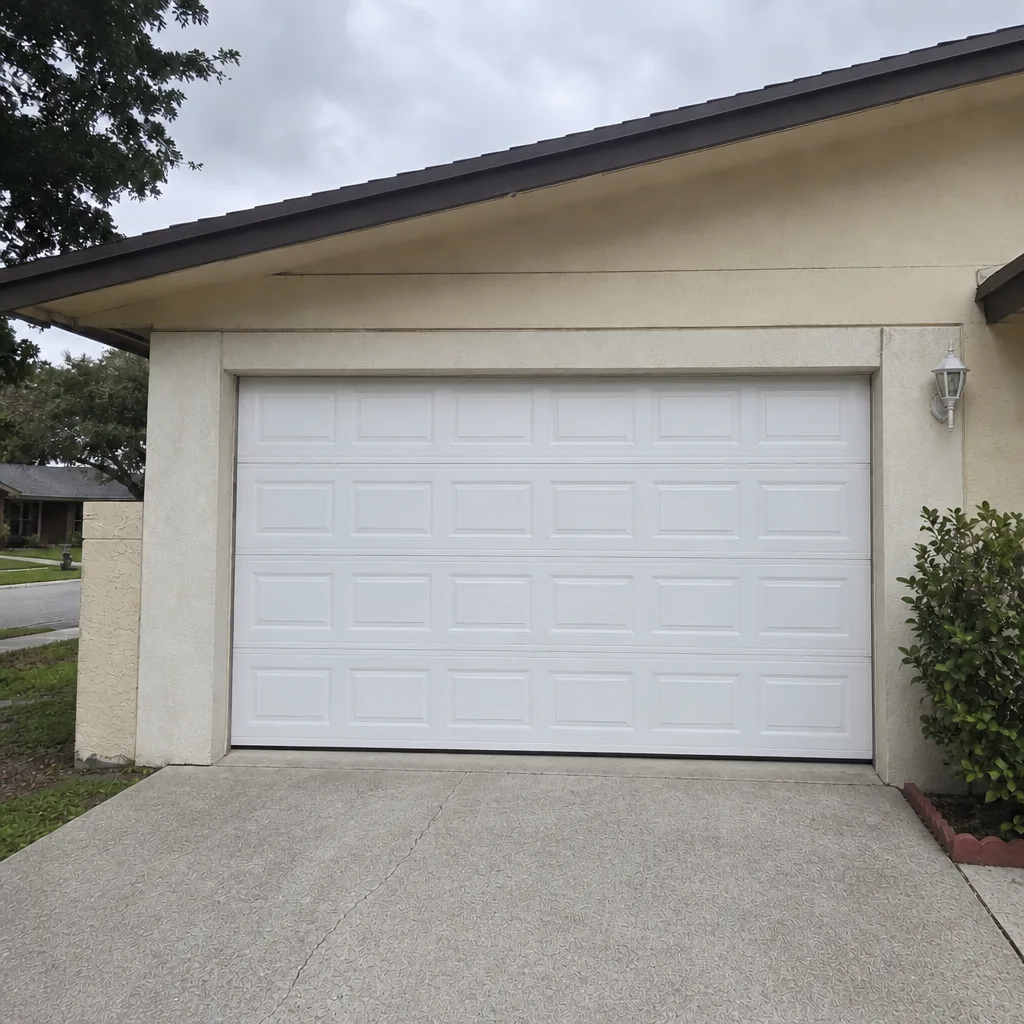 After
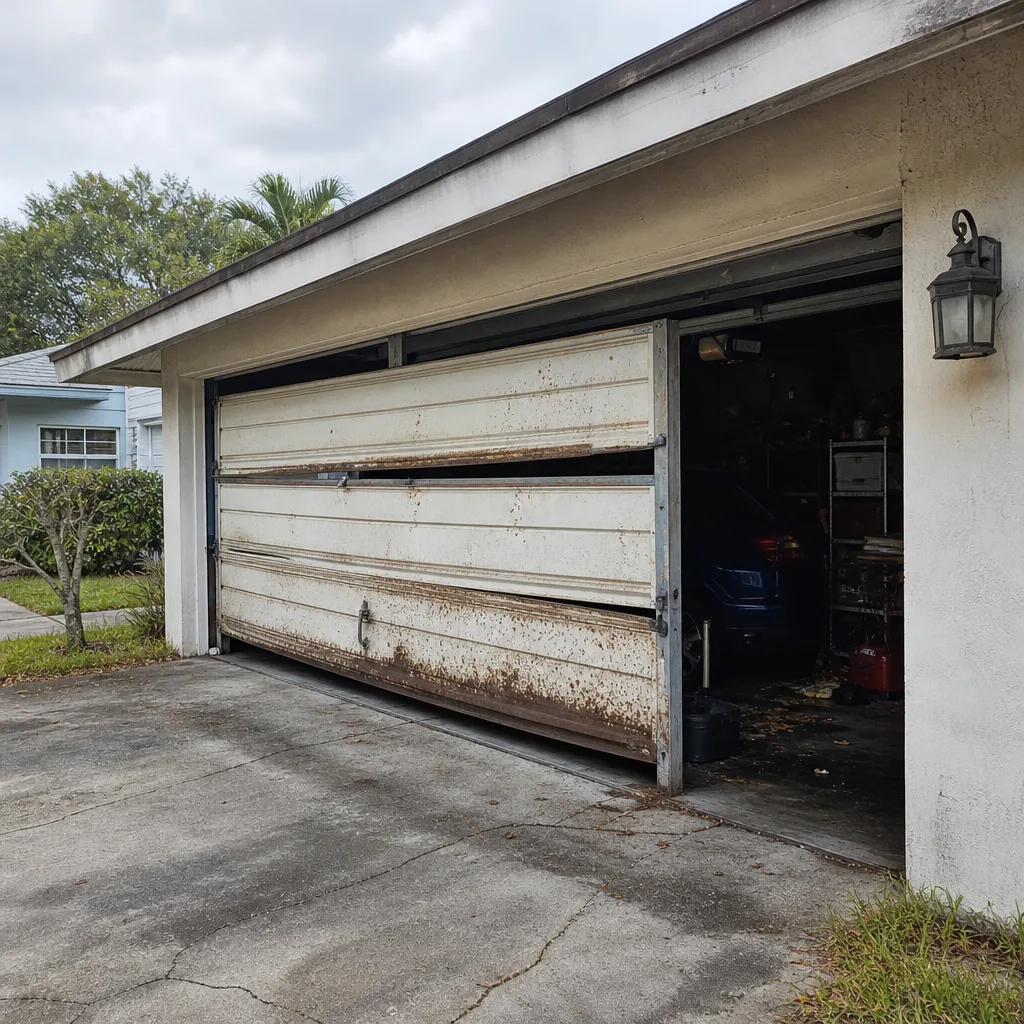 Before
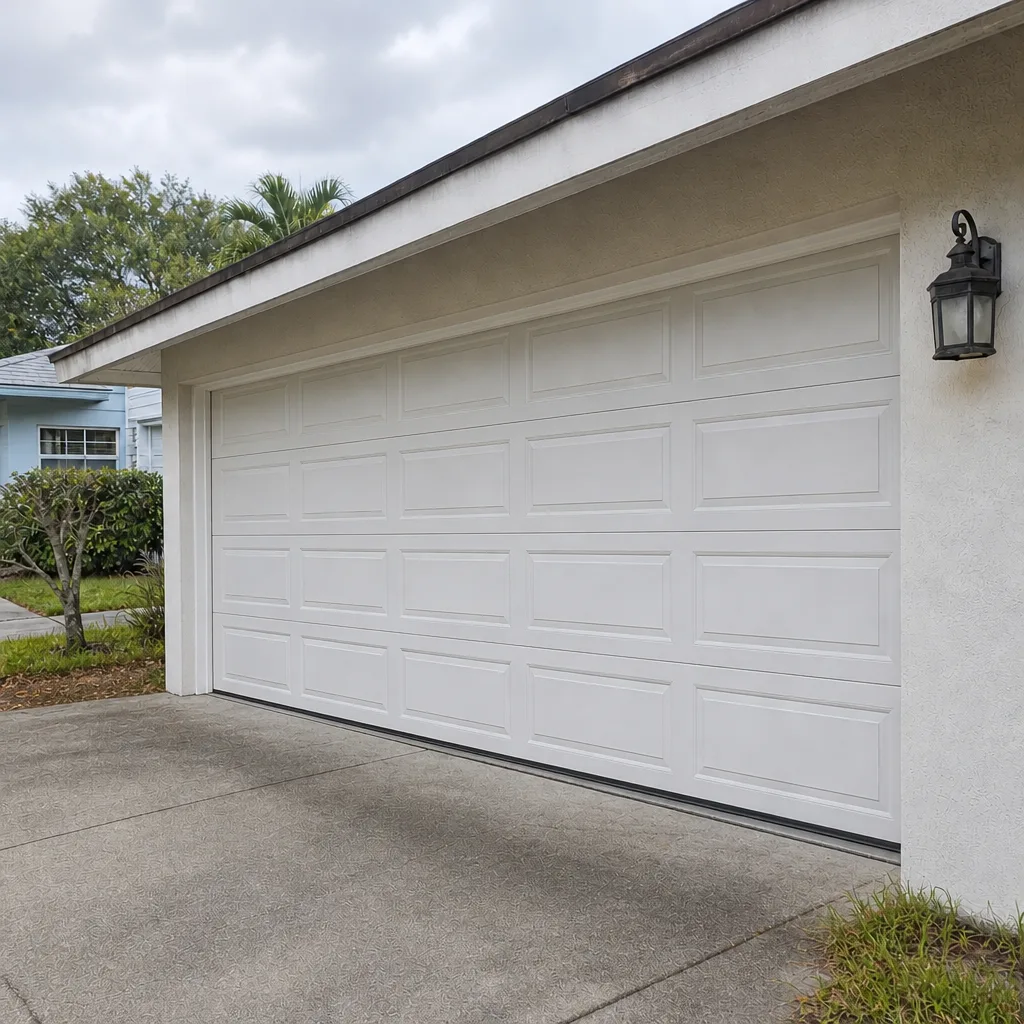 After
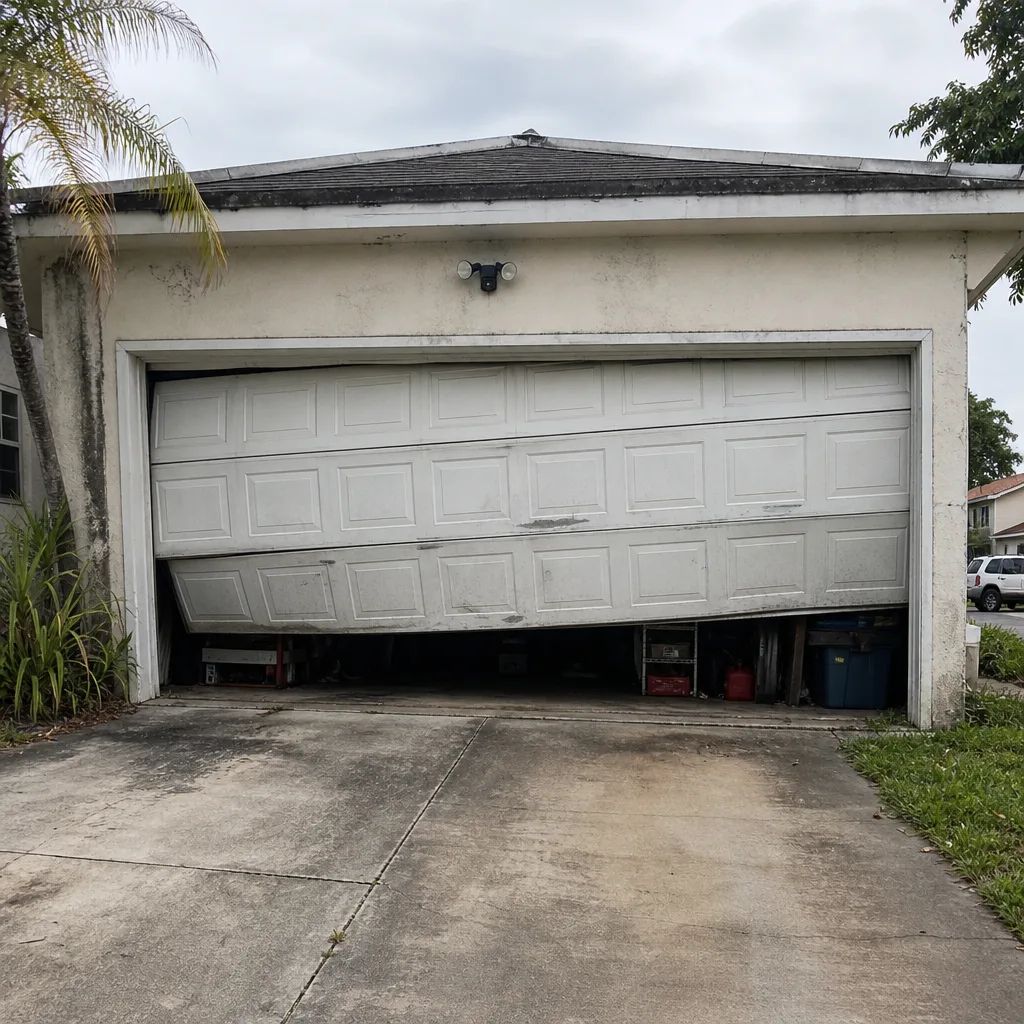 Before
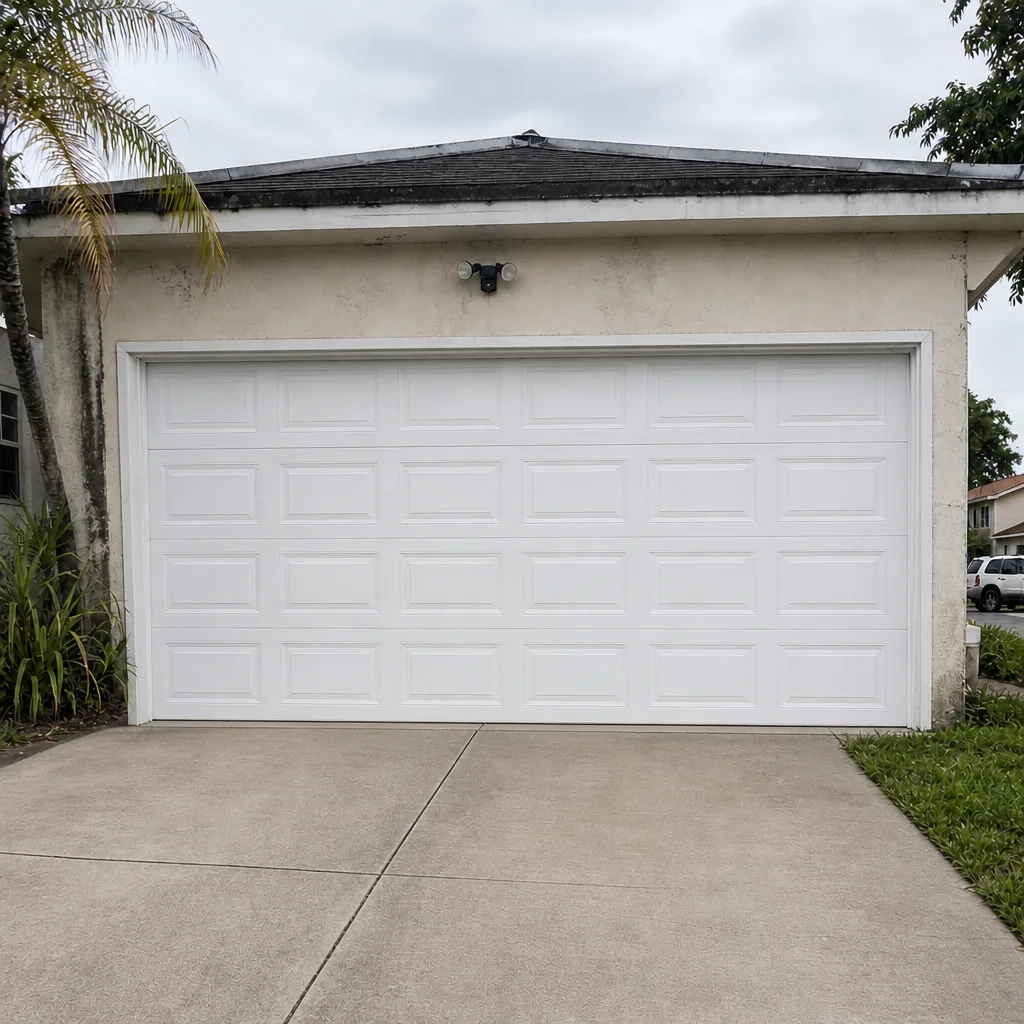 After
When to Call a Professional
Call when you’re not sure. That’s the rule. If the door is stuck, the springs look off, the tracks are bent, or the opener hums without moving, it’s time to call. Don’t try to fix a spring or a torsion assembly yourself. Don’t force a door that’s not tracking straight. Call us at (877) 685-2138. We answer 24/7. Fast dispatch from 7am to 7pm, Sunday through Friday.
Sunrise Garage Door Repair Co offers free estimates in Sunrise. We service all eight major residential garage door and opener brands, and we handle emergency calls as a core part of what we do. If the door needs repair, replacement, or installation, we handle the full scope in-house with our independent local professionals. Call (877) 685-2138 for a free estimate. We answer 24/7. Fast dispatch from 7am to 7pm, Sunday through Friday.
Frequently Asked Questions
Run the five post-storm checks first: look at the panels, check the tracks, inspect the springs from a distance, test the door’s balance by hand, then check the safety reverse. If any check fails, don’t operate the door. If the opener hums but the door won’t move, it’s likely an opener issue. If the door feels very heavy, it’s likely a spring. Call (877) 685-2138 and describe what you see. We answer 24/7. Fast dispatch from 7am to 7pm, Sunday through Friday.
Test the door’s balance first by lifting it a few inches with the opener still engaged. If it feels manageable and stays put, pull the release and lift the door the rest of the way by hand. If the door feels heavy or won’t stay up, the springs may be weak or broken, and you should call before you pull the cord. The manual release takes about 90 seconds to learn, but only if you practice it before the emergency.
A battery backup is useful if your household loses power during storms. It runs the opener for a limited number of cycles during an outage. Look for a battery rated for high ambient temperatures, check the cycle capacity, and confirm it’s compatible with your opener brand. We install and service backups for all eight major brands.
No. Tape doesn’t hold a panel together under wind load, and it leaves residue on the finish. What matters is your door’s wind-load rating and whether it has horizontal bracing. If you can’t find the rating label, have the door inspected before storm season.
A visible gap in a torsion spring, a stretched coil, a loud snap followed by a door that feels very heavy, or a door that opens a foot and stops. If you see any of these, stop using the door and call for spring service. Springs are under high tension and should only be handled by trained technicians. Our team handles spring repair for all the major door brands.
Call us at (877) 685-2138 and describe the door’s symptoms. If it’s visibly bent, it’s a panel repair. If it tracks crooked, it’s a track issue. If it’s stuck and heavy, it’s a spring. If it hums but doesn’t move, it’s the opener. Knowing what’s wrong when you call gets you to the right technician faster. We answer 24/7. Fast dispatch from 7am to 7pm, Sunday through Friday.
The Bottom Line
A garage door emergency in Sunrise is a solvable problem if you’ve done the 90-second prep: know your manual release, check your springs and balance before storm season, and understand which service you need when something fails. The door is infrastructure. Treat it like it. We service the eight major residential brands, we handle emergency calls as a core offering, and we’ll give you a free estimate before you commit to any work. Call (877) 685-2138 for a free estimate. We answer 24/7. Fast dispatch from 7am to 7pm, Sunday through Friday.
Written by the team at Sunrise Garage Door Repair Co.