
Last updated November 22, 2026
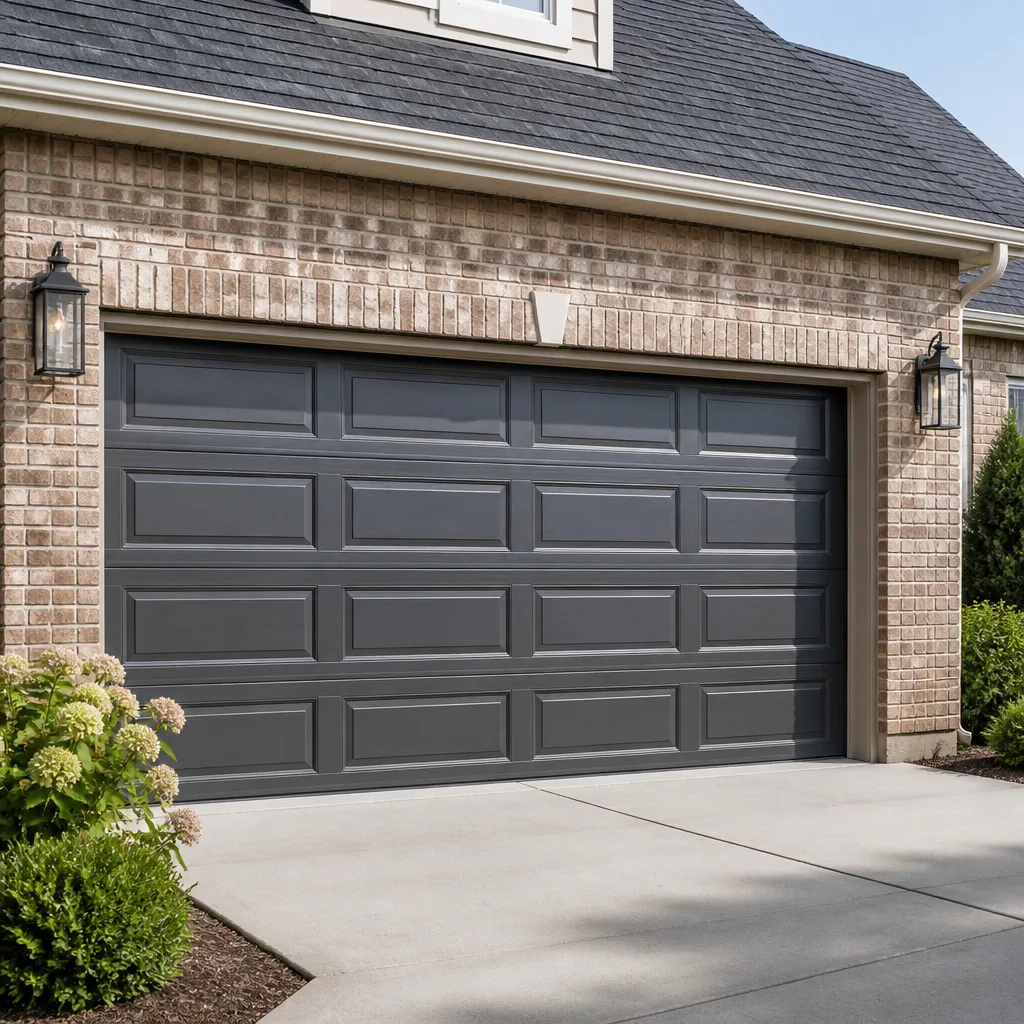 Raised-panel steel
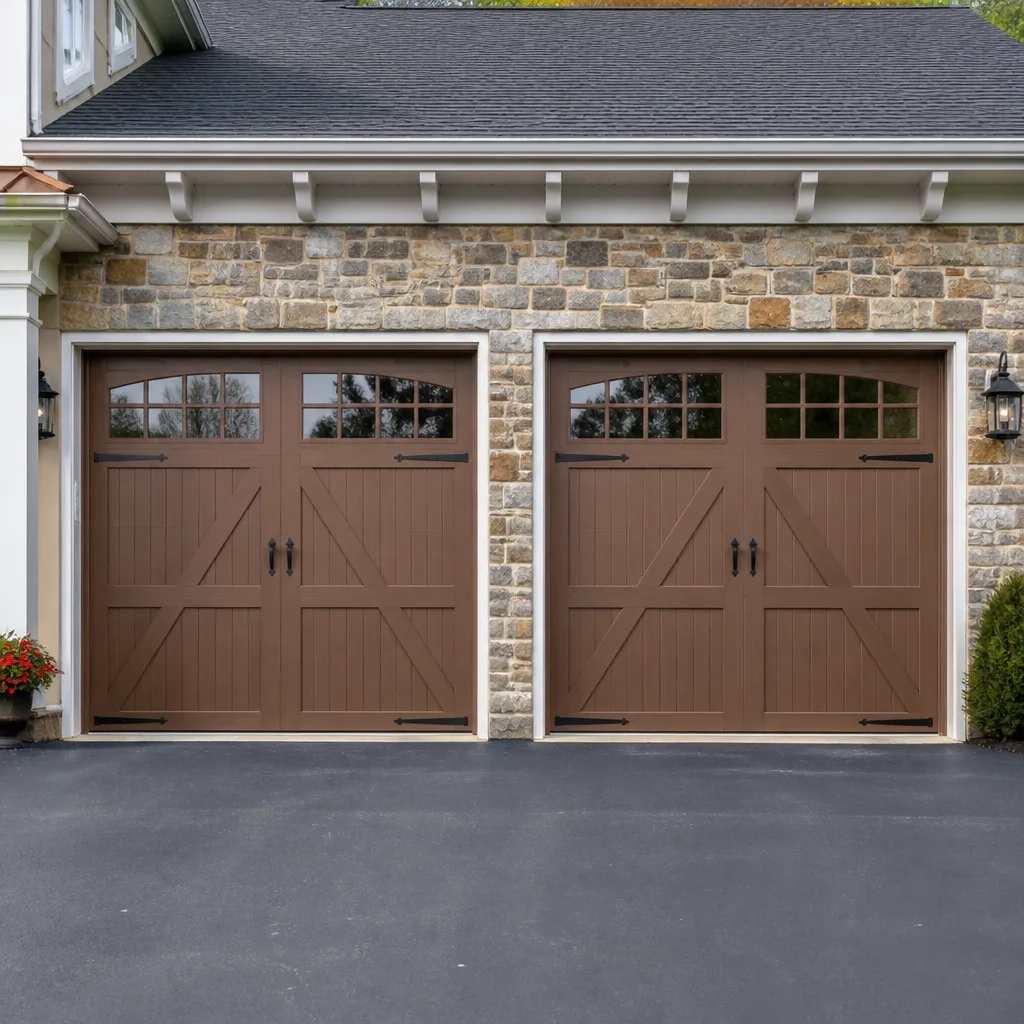 Carriage house
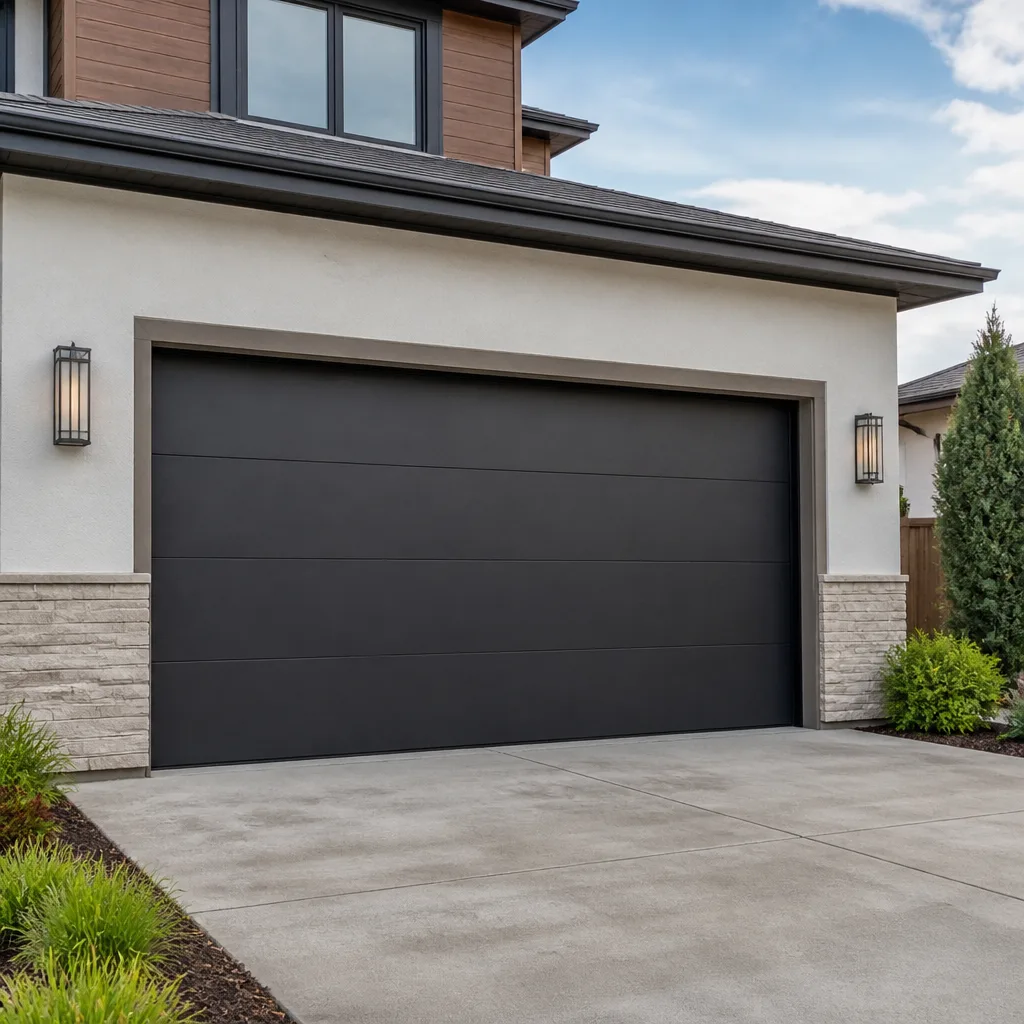 Modern flush
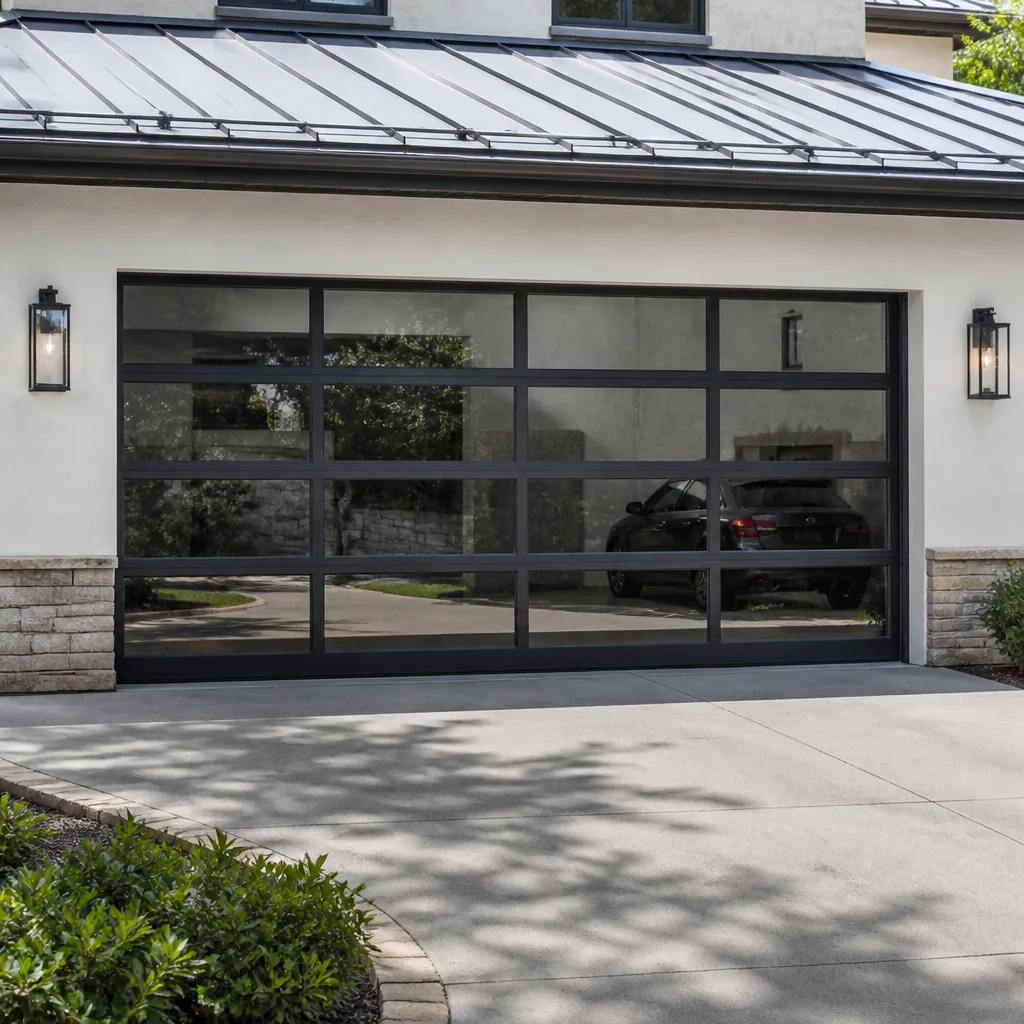 Full-view glass
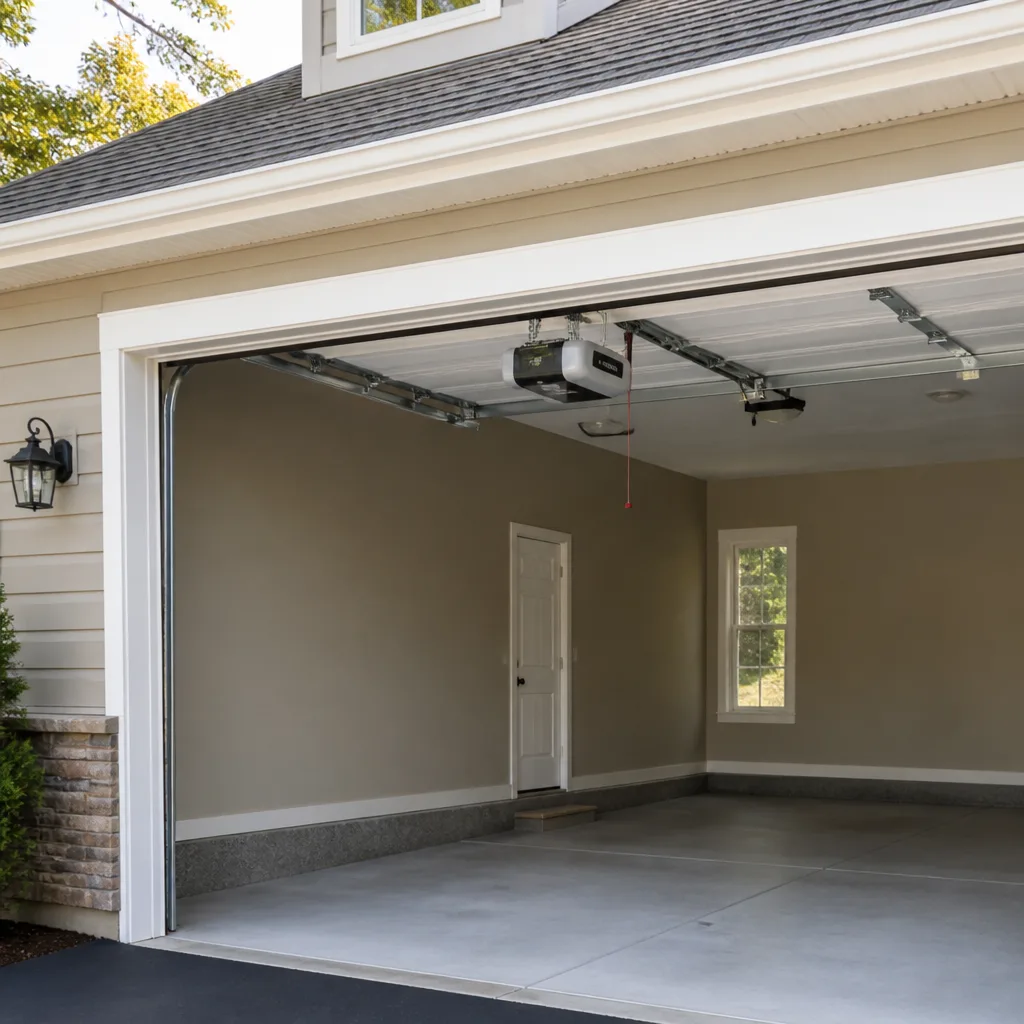 LiftMaster openers
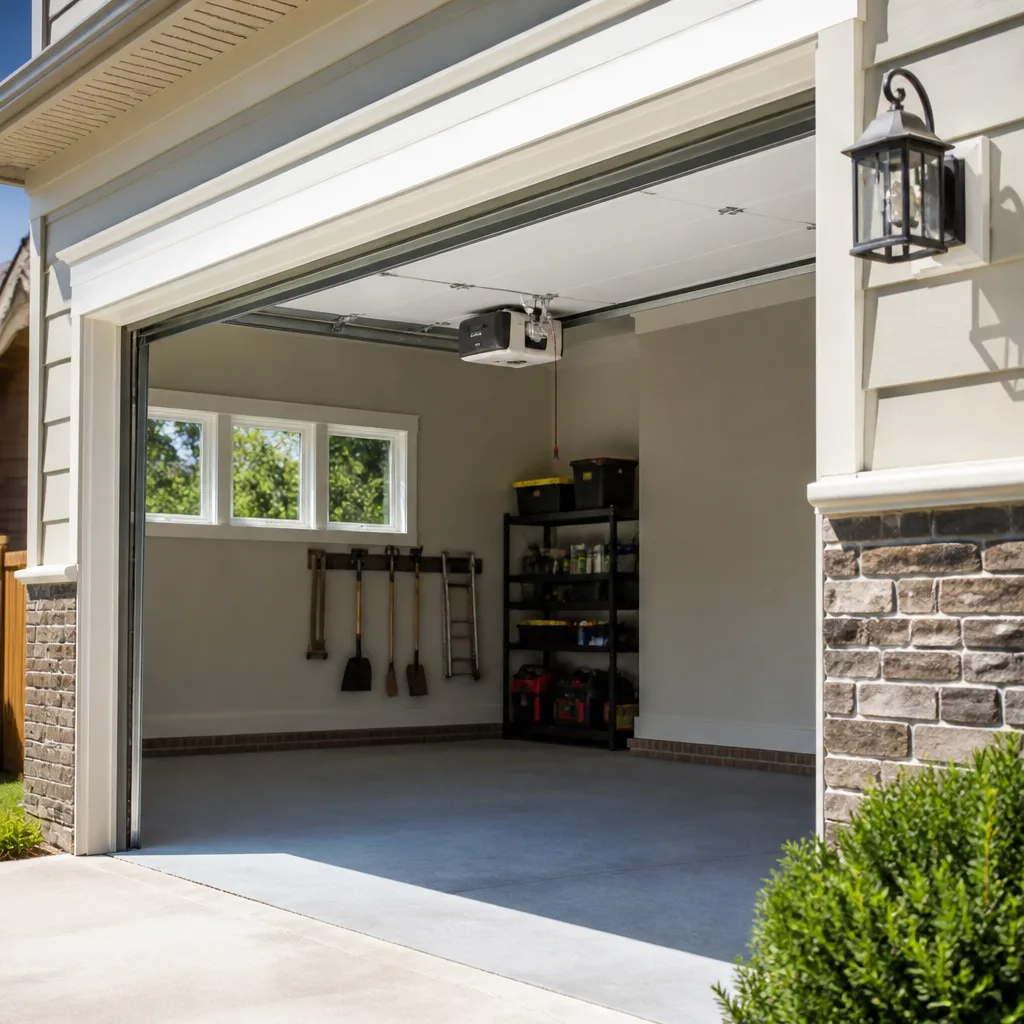 Chamberlain openers
Full 25-point door and opener safety check with every visit - springs, cables, rollers, tracks, and your LiftMaster or Chamberlain opener included
You get a price before we start. It does not change when the pro arrives.
Get your free estimateGarage Door Repair Maintenance Checklist for Sunrise Homeowners
The number one cause of avoidable garage door breakdowns in South Florida isn’t neglect. It’s doing the wrong maintenance tasks while skipping the ones that actually matter in a high-humidity climate. Plenty of homeowners in Sunrise wipe down their panels and call it done, then wonder why a hinge seizes or a bottom seal rots out. The tasks that protect a door here aren’t the ones you’d read about in a northern-climate guide. This checklist is built around how doors actually fail in Sunrise: heat cycling through the summer, humidity that works on bare metal and rubber all year, and the storm season that tests every component at once. You’ll get a month-by-month, pass/fail system you can use without any special tools. We’re Sunrise Garage Door Repair Co, and this is the checklist we’d hand a neighbor.
Quick Answer
A garage door in Sunrise needs lubrication every three to four months, a balance and safety-reverse test every month, and a full hardware and weather-seal inspection twice a year, timed before and after storm season. Springs and cables are visual checks only, never DIY repairs. The checklist below sequences tasks by the order components actually fail in South Florida’s heat and humidity, so you fix the right thing at the right time.
Styles & brands we work with
- Raised-panel steel
- Carriage house
- Modern flush
- Full-view glass
- LiftMaster openers
- Chamberlain openers
Table of Contents
- Why Sunrise’s Climate Changes the Maintenance Playbook
- Monthly Checks: The Ten-Minute Pass
- Quarterly Tasks: Lubrication Done Right
- Twice-Yearly: Corrosion, Seals, and Cables
- How to Test Auto-Reverse and Photo-Eye Sensors Correctly
- Your Sunrise Seasonal Calendar
- The Pass/Fail Checklist You Can Print
- Common Mistakes to Avoid
- When to Call a Professional
Why Sunrise’s Climate Changes the Maintenance Playbook
Sunrise sits in a part of Florida where the door spends most of the year working in heat and humid air. That combination drives a different failure order than homeowners expect. Metal expands and contracts through the daily heat cycle, which slowly works fasteners loose and stresses the joints where hinges and rollers sit. Humidity keeps a thin film of moisture on unpainted steel and cast hardware, so corrosion starts on the small parts first – hinges, track brackets, the bottom edge of the panel, and the cable itself.
Rubber ages faster here too. The bottom seal and the weatherstripping around the frame take the brunt of it: they harden, crack, and lose their grip on the floor or the door edge. Once that seal fails, water and pests find the gap, and the interior of the door stays damp longer.
What this means practically is that your maintenance calendar should be weighted toward the hardware and the rubber, not just the springs and opener. Here’s the failure order we see most often in Sunrise:
- Bottom seal and perimeter weatherstripping degrade first, usually within a couple of years in full sun.
- Hinges and rollers dry out and seize from lack of proper lubrication, then start grinding.
- Cables and the bottom bracket area show corrosion and fraying from humid air.
- Springs fatigue from constant heat cycling and load, and eventually break with a bang.
- The opener starts struggling once the door itself is stiff or out of balance.
Most homeowners call us about number five when the real problem started at number one or two. Getting the order right is how you avoid that. If you’re already hearing a grind or a rattle, that points to a repair, not a tune-up – our garage door repair page covers what’s involved.
Monthly Checks: The Ten-Minute Pass
These are the checks that catch problems early, and none of them require tools beyond your eyes and ears. Set a reminder for the first of each month and work through them in order.
The balance test
Disconnect the opener by pulling the release handle (with the door closed, so there’s no load on it), then lift the door about halfway by hand and let go. A balanced door holds its position. If it drifts down, the springs are losing tension; if it wants to fly up, there’s too much. Both are signs the spring system needs a professional look. Never try to adjust springs yourself – more on that below.
The listen-and-look pass
- Listen: run the door up and down and note any grinding, squealing, or popping. Grinding points to rollers or hinges; popping can mean a cable is slipping.
- Look at the tracks: they should be straight and even. Dents or bends from a bumped car or a leaning ladder will make the door bind.
- Check the rollers: the nylon or steel wheels should turn freely. A wobbling or frozen roller needs attention.
- Scan the fasteners: hinges, brackets, and track bolts should be snug. Vibration loosens them over time, especially in a hot climate.
- Test the safety reverse: covered in full in the sensor section below – do this every month.
Ten minutes a month keeps the small stuff from becoming a breakdown. If anything turns up that you’re not sure about, a quick call to Sunrise Garage Door Repair Co can tell you whether it’s a five-minute fix or something bigger.
Quarterly Tasks: Lubrication Done Right
This is where the biggest single mistake happens. A lot of homeowners reach for WD-40 because it’s what’s in the garage, spray the tracks and hinges, and think they’ve maintained the door. In a humid climate, that’s the wrong move.
WD-40 is a solvent, not a long-term lubricant. It cleans away the old grease and then evaporates, leaving metal dry and more exposed to the humidity than before. Spraying it in the tracks is worse: it attracts dust and grit, which gum up the rollers and turn a smooth door into a grinding one. The tracks themselves usually don’t need lubrication at all – they need to be clean.
What to use instead: a garage-door-specific spray lubricant, white lithium grease, or a silicone-based lubricant on the moving metal. Heres the correct quarterly routine:
- Clean the tracks with a damp cloth to remove grit, then dry them. Leave them dry.
- Lubricate the hinges at the pivots – a light spray on each one.
- Lubricate the rollers at the bearing, not the track.
- Apply lubricant to the spring coils lightly, if the spring is the open-coil type you can safely reach from the side. Never touch a spring under tension.
- Wipe a thin coat on the opener chain or screw drive if your opener has one – a Clopay door matched to a quality opener benefits most from this.
- Check the door’s balance again after lubricating, since freer movement can reveal a tension problem that was masked by friction.
That’s a twenty-minute job, four times a year, that will save you a lot of grief. It’s the single highest-value task on this whole checklist.
Twice-Yearly: Corrosion, Seals, and Cables
Twice a year – once before storm season and once after – work through the parts of the door that humid air attacks hardest. This is the inspection that catches what the monthly pass misses.
Corrosion checkpoints
- Hinges: check for rust at the joints and around the screws. Surface rust on a steel hinge can be cleaned and re-lubricated; deep pitting means replacement.
- Bottom bracket and cable ends: look for rust where the cable attaches and where the bracket meets the panel. This is the highest-load area on the door.
- Track brackets and mounting plates: rust here is often hidden under the bolt heads.
- The bottom edge of the door panel: moisture wicks up from the floor, so the very bottom of the panel is where corrosion starts on steel doors.
Seal and weatherstripping
Press the bottom seal with your thumb. It should feel supple and spring back; if it’s hard, cracked, or leaves a gap you can see light through when the door is closed, replace it. Check the perimeter weatherstripping around the frame the same way. A failing seal lets water, heat, and insects in.
Cable condition
Look at both cables from the side, without touching them. They should be taut and clean, with no fraying, kinks, or rust streaks. A frayed cable can snap without warning, and a snapped cable releases the door’s tension – that’s a genuine hazard. This is a look-only check.
If any of these turn up a problem, whether it’s a frayed cable, a rusted bracket, or a seal that’s given up, that’s where a specialist is worth calling. We work on Clopay, Amarr, Wayne Dalton, Genie, and the other major brands, so the parts are matched to your door rather than guessed at.
How to Test Auto-Reverse and Photo-Eye Sensors Correctly
The safety reverse and the photo-eye sensors are the two systems that stop a closing door from hurting someone or crushing something. Testing them monthly is the step most homeowners skip, and it’s the one that matters most. Here’s how to do it properly.
The contact reverse test (the “two-by-four” test)
- Place a solid object about the height of a two-by-four flat on the ground in the center of the door’s path.
- Close the door using the wall control or remote.
- When the door contacts the object, it should reverse and go back up. If it stops and stays down, the auto-reverse is failing.
- Repeat with the object near one side of the door, then the other, since a door can reverse in the center and crush at the edge.
If the door doesn’t reverse on contact, stop using it until it’s fixed. The pressure setting on the opener is adjustable, but it should be set to the lowest force that still closes the door reliably – not cranked up to force a stiff door down.
The photo-eye test
- Locate the two small sensors near the floor on either side of the door, one sending and one receiving.
- Check that both are aligned and their indicator lights are on and steady. A blinking light usually means misalignment or a blocked lens.
- Close the door and, while it’s moving, wave an object through the beam. The door should reverse immediately.
- Wipe the lenses – dust and cobwebs in a humid climate can block the beam and cause the door to reverse on its own.
Both systems work together, and both need to pass every month. If either fails, that’s a safety issue, not a cosmetic one. Software and pressure settings on LiftMaster, Chamberlain, and Genie openers differ slightly, so it’s worth having a technician set them correctly once and then maintaining from there. Our garage door opener repair page goes deeper on sensor troubleshooting.
Your Sunrise Seasonal Calendar
South Florida’s seasons are less about temperature swings and more about storm season and heat. Sequencing your maintenance around them means you’re inspecting the door when it’s actually under stress. Here’s the calendar:
Before storm season (late spring)
This is the big inspection. Work through the twice-yearly corrosion and seal checks, confirm both safety systems pass, and look closely at the springs, cables, and brackets. A door that fails during a storm isn’t just an inconvenience – a door left open or damaged by high wind can be a real problem for the home. This is also the time to clear the tracks of grit and confirm the door closes fully and seats against the floor.
Peak heat and humidity (summer)
Heat cycling is at its worst now, so keep to the monthly checks and don’t skip the quarterly lubrication. Rubber seals take the most punishment in full sun, so check the bottom seal’s flexibility at the start and end of summer. Grinding and squealing tend to show up now because lubricant dries out faster.
Dry season (late fall through winter)
This is the comfortable stretch, and the perfect window for the second full inspection and any proactive repairs. If a hinge is going to be replaced or a seal is going to be refreshed, doing it now means the door is in good shape before the heat returns. Consider a professional tune-up in this window – our garage door spring repair service is the right call if the balance test has been failing.
After storm season (fall)
Post-storm, check for impact damage, jumped tracks, and bent panels. Even if the door still opens, a track that’s slightly bent will wear out the rollers faster.
The Pass/Fail Checklist You Can Print
Vague maintenance advice like “inspect for wear” is useless. Here’s the same checklist with clear pass/fail criteria so you know when to act. Print it, or keep it on your phone, and tick through it on schedule.
Monthly
- Balance test: PASS if the door holds at the halfway point when released by hand. FAIL if it drifts down or up.
- Noise: PASS if it runs quietly. FAIL if you hear grinding, squealing, or popping.
- Track condition: PASS if straight and even. FAIL if dented, bent, or misaligned.
- Fasteners: PASS if all hinges, brackets, and bolts are snug. FAIL if any are loose or missing.
- Contact reverse: PASS if the door reverses on the test object at center and both edges. FAIL if it stays down.
- Photo-eye: PASS if both lights are steady and the door reverses when the beam is broken. FAIL if a light blinks or the door ignores the beam.
Quarterly
- Lubrication: PASS if hinges, rollers, chain and spring coils (lightly) are coated with garage-door lubricant. FAIL if the door has been left dry or was hit with WD-40 instead.
- Tracks clean: PASS if the tracks are clean and dry. FAIL if there’s grit or buildup.
Twice yearly
- Corrosion: PASS if hardware is clean, with at most light surface rust that wipes off. FAIL if there’s pitting, heavy rust, or rust at the cable ends and brackets.
- Bottom seal: PASS if supple and sealing against the floor. FAIL if hard, cracked, or leaving a gap.
- Perimeter weatherstripping: PASS if intact. FAIL if torn or missing.
- Cables: PASS if taut with no fraying, kinks, or rust. FAIL if frayed or kinked – call a professional.
Any FAIL on a safety item (contact reverse, photo-eye, cables) means stop using the door until it’s checked.
Common Mistakes to Avoid
- Using WD-40 as a lubricant. It’s a solvent that cleans and evaporates, leaving metal drier than before. Use a garage-door-specific lubricant or white lithium grease instead. In humid air, the wrong product actively accelerates wear.
- Greasing the tracks. The tracks should be clean and dry, not lubricated. Lubricant there attracts grit that wears the rollers and makes the door grind.
- Adjusting the spring system yourself. Garage door springs are under extreme tension. This is a job for a trained technician. Never touch the springs, the cables, or the bottom bracket – a mistake here can cause serious injury.
- Skipping the safety-reverse test. It’s the step most often skipped because it seems fine. Test it monthly; a door that fails to reverse is a liability and a hazard.
- Ignoring a stiff or slow door. A door that’s harder to open or close is telling you something. It might be a failing spring, a seizing hinge, or an opener that’s being overworked. Fix the door, don’t just crank the opener.
- Overlooking the bottom seal in full sun. Sunrise’s sun ages rubber faster than homeowners expect. If the seal is hard or cracked, replacing it early prevents water intrusion and heat loss.
- Cranking up the opener pressure to force a binding door. If the door isn’t balanced or a roller is frozen, forcing it down strains the opener and the door. Set the force to the lowest setting that works, and fix the underlying problem.
When to Call a Professional
Some maintenance you can do yourself, and this checklist is designed to keep you on top of it. But some jobs cross a line. Call a professional if:
- A spring breaks, is losing tension, or the balance test keeps failing.
- A cable is frayed, kinked, or rusted.
- The door fails the safety-reverse or photo-eye test after basic troubleshooting.
- The door is visibly out of alignment, off its tracks, or damaged.
- The opener is straining, stalling, or making unusual noises.
Those are jobs where a wrong move can injure you or damage the door further. When it can’t wait – a door stuck open before a storm, a spring snapped and you can’t secure the house – we answer 24/7. Fast dispatch from 7am to 7pm, Sunday through Friday. Call (877) 685-2138. Sunrise Garage Door Repair Co offers free estimates in Sunrise, and the price is quoted and agreed before any work starts.
See the difference
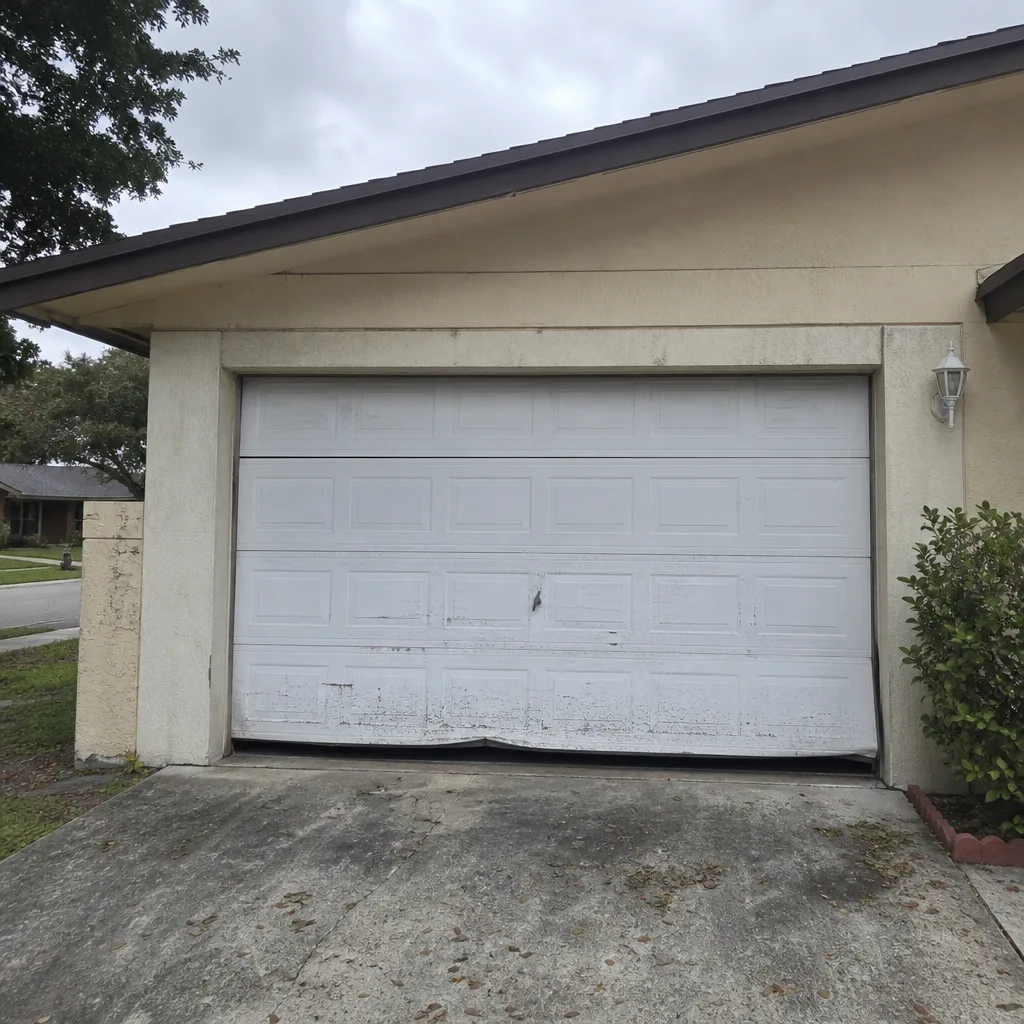 Before
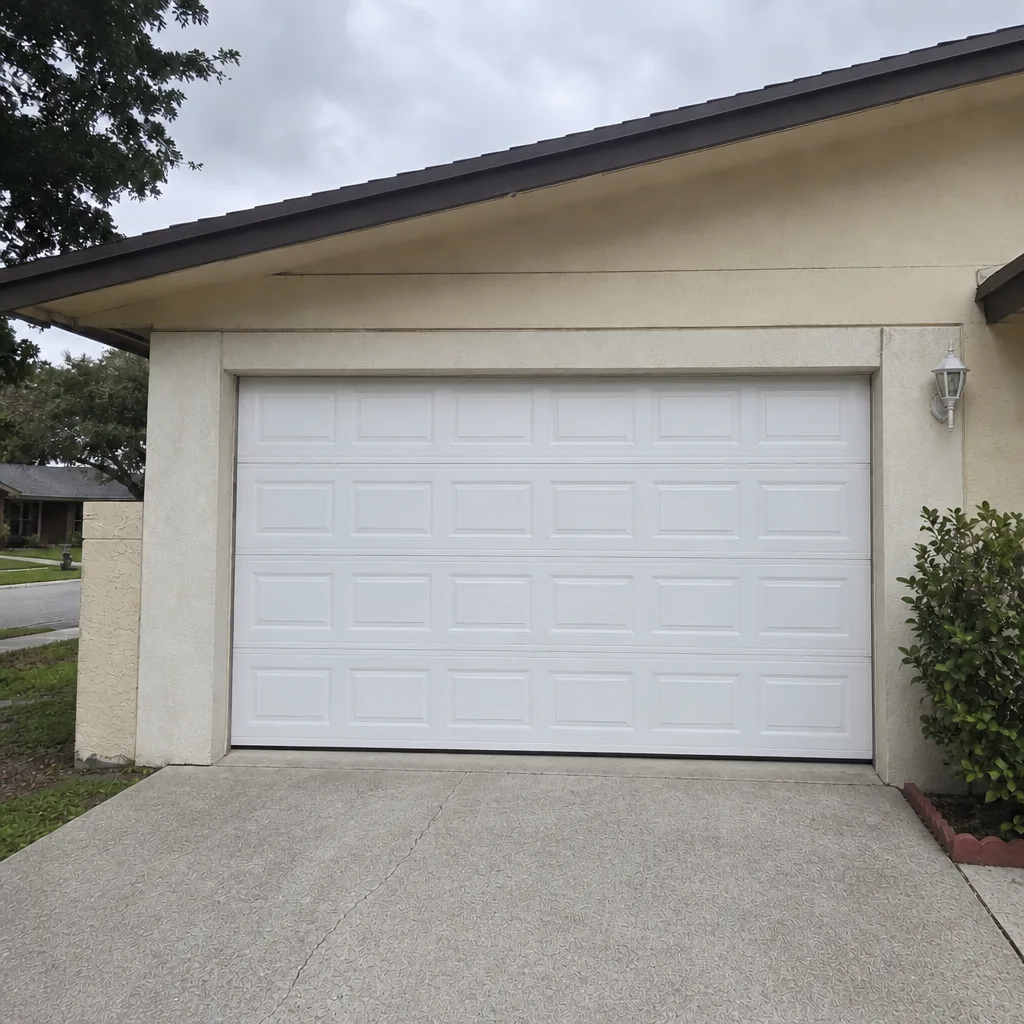 After
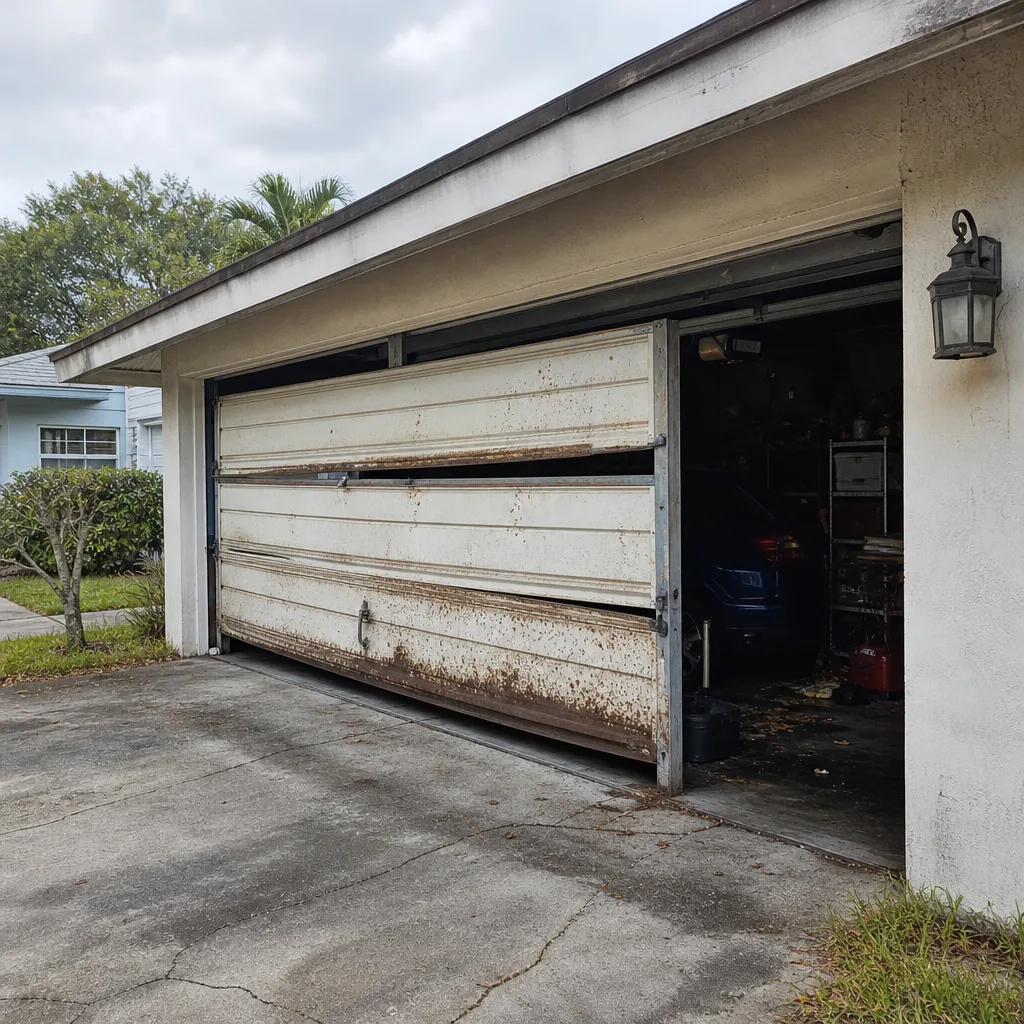 Before
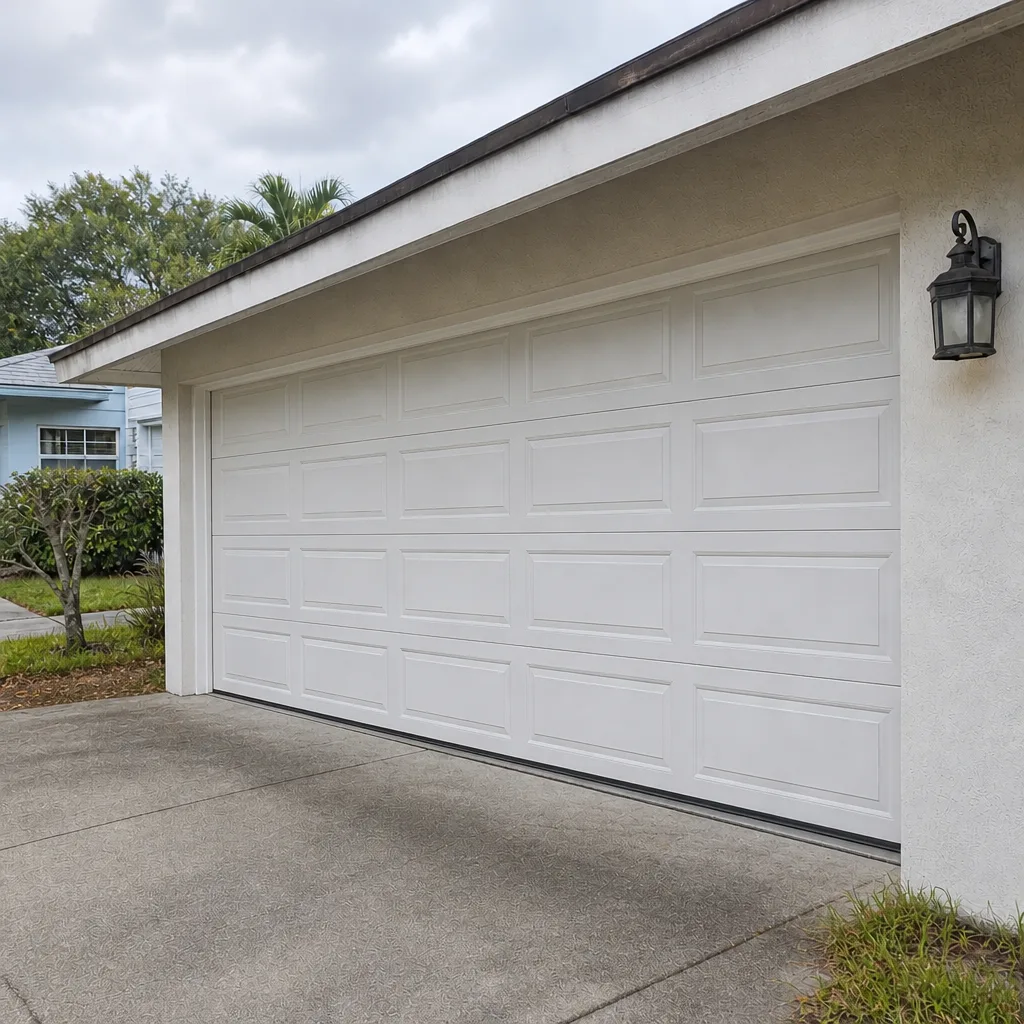 After
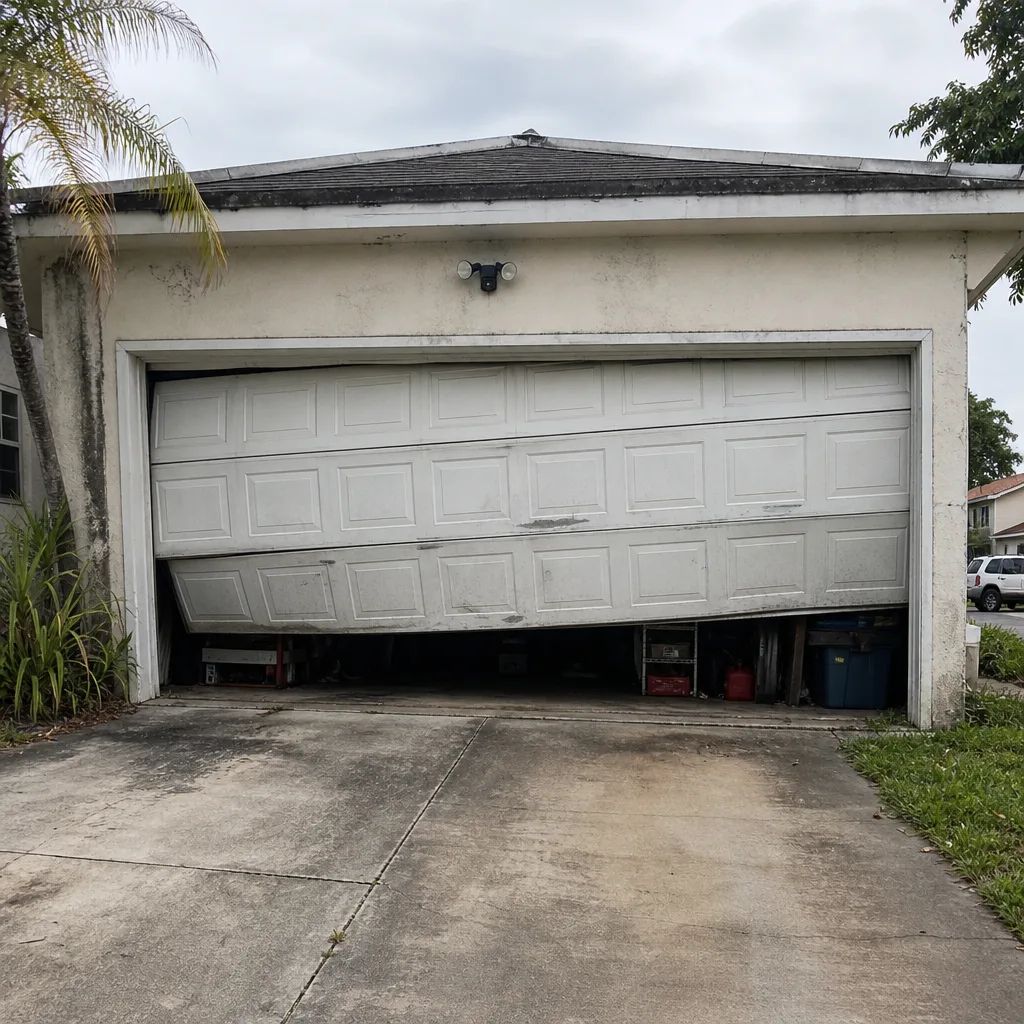 Before
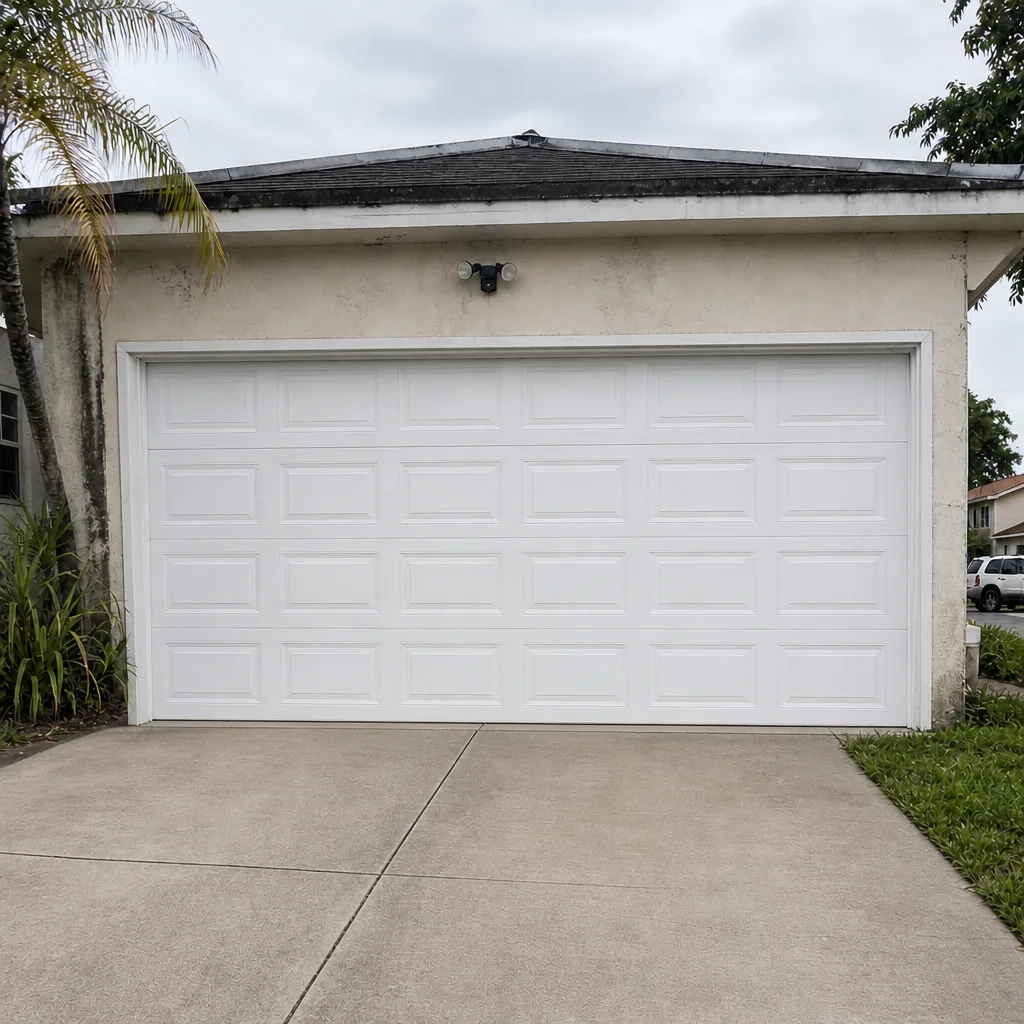 After
Frequently Asked Questions
Every three to four months is the right interval in Sunrise’s heat and humidity. Use a garage-door-specific lubricant or white lithium grease on hinges, rollers, and the opener chain, and keep the tracks clean and dry. Skip WD-40, which dries out metal rather than protecting it. Call (877) 685-2138 if you’d rather have a technician do it and check everything else at the same time – estimates are free.
Testing the safety reverse and photo-eye sensors every month is the most important task, because a failure there is a hazard, not just an inconvenience. Follow it closely with proper lubrication, since dry hinges and rollers are the most common cause of grinding and premature wear. If either test fails and doesn’t come back with basic cleaning, call us.
No. Garage door springs are under extreme tension and can cause serious injury if handled incorrectly, so this is strictly a job for a trained technician. If your balance test fails or you see a broken spring, stop using the door and call a professional. We handle spring replacement as a core part of what we do.
Press it with your thumb. If it’s hard, cracked, or doesn’t spring back, or if you can see light under the door when it’s closed, the seal needs replacing. In Sunrise’s sun, the bottom seal often fails before anything else on the door. Replacing it early keeps water, heat, and pests out.
A door that reverses on its own is usually a photo-eye sensor issue – misalignment, a dirty lens, or a blocked beam from dust or cobwebs. Check that both lights are steady and clean the lenses. If the door still reverses, the safety system or opener logic needs professional diagnosis. Call (877) 685-2138, and we’ll take a look. The estimate is free.
We service all eight of the most common residential brands, including LiftMaster, Chamberlain, Genie, Clopay, Amarr, Wayne Dalton, Craftsman, and Raynor. That means no customer gets turned away because the technician doesn’t know the equipment. Whatever your door or opener, we work on it. Call (877) 685-2138 for a free estimate.
The Bottom Line
Maintenance in Sunrise isn’t about doing more – it’s about doing the right tasks in the right order. Lubricate every three to four months with the right product, test the safety reverse and photo-eye every month, and inspect the seals, cables, and hardware twice a year around storm season. The single biggest mistake is reaching for WD-40 and ignoring the rubber. Get those two things right and you’ll catch most problems before they become a breakdown. When a task crosses into springs, cables, or safety systems, that’s when to call us. Sunrise Garage Door Repair Co is here with free estimates in Sunrise.
Call (877) 685-2138. We answer 24/7. Fast dispatch from 7am to 7pm, Sunday through Friday.
Written by the team at Sunrise Garage Door Repair Co.